Amazon exits MMO genre as publishing rights for Lost Ark and Throne and Liberty transfer to Smilegate and NC
With New World: Aeternum set to shut down and new titles handed off to external publishers, the tech giant pivots toward casual gaming and major IP acquisitions.
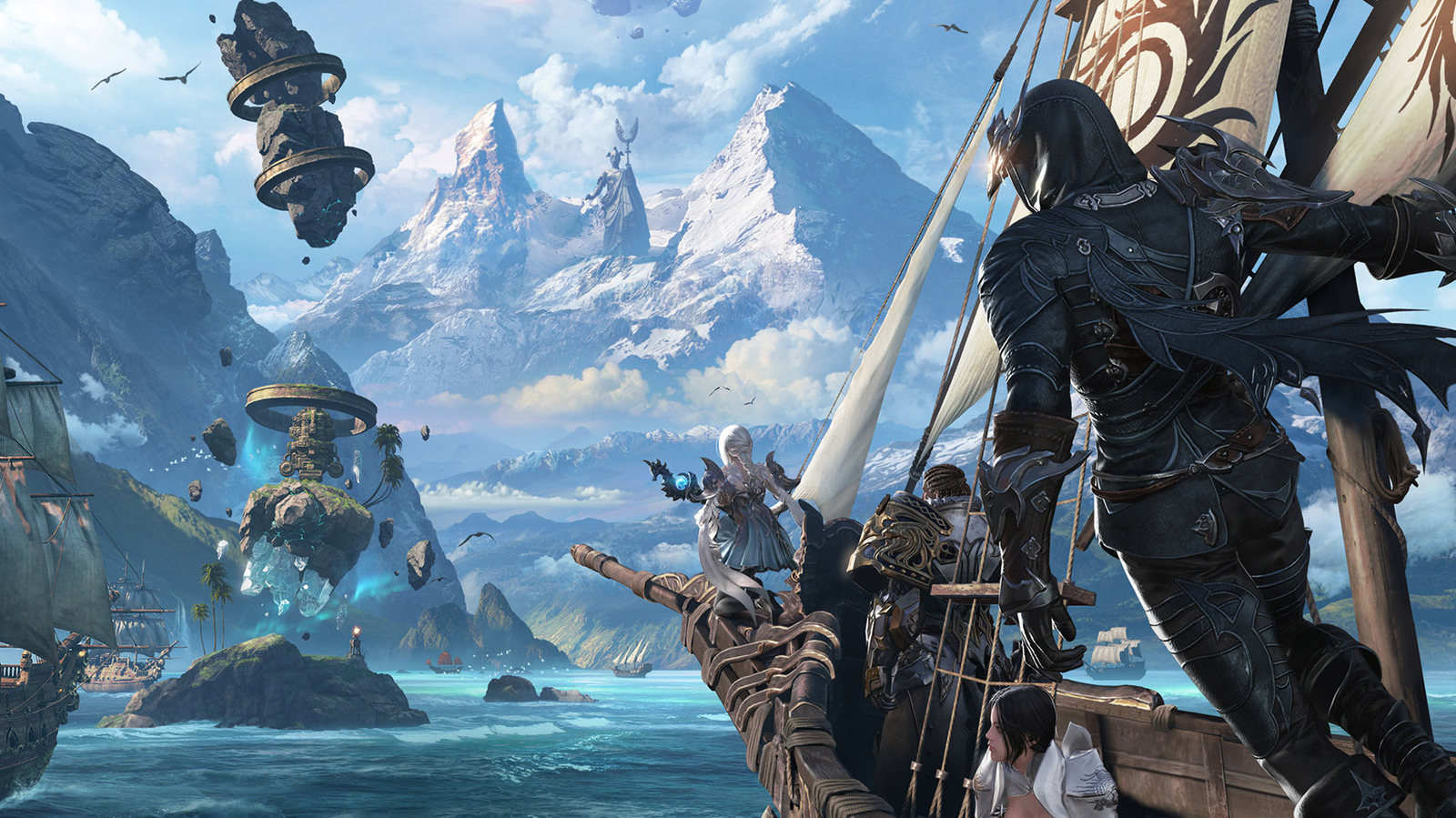
Amazon is formally withdrawing from the massively multiplayer online (MMO) market, confirming it will no longer publish Lost Ark or Throne and Liberty in Western regions. The move marks the conclusion of a strategy the company initiated in 2016, following the announcement of New World. As part of the transition, Smilegate will assume publishing duties for Lost Ark in early 2027, while NC, operating through its subsidiary FireSpark Games, will take over Throne and Liberty starting in the fourth quarter of 2026.
The restructuring ensures both titles remain accessible to players in Western markets, though the handover involves distinct operational changes. For Lost Ark, players will lose access to specific legacy features, including in-game mail and chat history. Conversely, NC has indicated that core assets such as characters and in-game currency for Throne and Liberty will transfer to the new publisher, although it is still determining whether items held in the game’s Auction House will be included in the migration.
This decision follows the earlier confirmation that Amazon’s own MMO, New World: Aeternum, will cease operations on 31 January 2027. The company also verified in May 2026 that it had halted development on a separate Lord of the Rings MMO project. The discontinuation of these titles underscores a broader retreat from the high-cost, high-engagement MMO sector, which has historically required significant long-term investment and community management.
In place of its MMO portfolio, Amazon is refocusing its gaming strategy on casual experiences and major intellectual property acquisitions. The company is developing casual games for its Luna platform and has secured rights to high-profile franchises, including 007 First Light and Tomb Raider Catalyst. These projects represent a shift toward leveraging established IP rather than building original live-service ecosystems from the ground up.
Amazon’s broader gaming infrastructure has also evolved, with its streaming subscription now primarily marketed as a value-add for Amazon Prime members. This service currently features party games compatible with smartphones, reflecting a pivot toward accessible, low-friction entertainment options. The retreat from MMOs aligns with a wider corporate emphasis on scalable, cross-platform engagement models over niche, dedicated gaming communities.