Alaska and Wyoming Primaries Signal Shifts in US Congressional Battlegrounds
Voters in Alaska and Wyoming head to the polls on Tuesday in races that could influence the balance of power in the US Senate and reshape state-level governance ahead of the November midterms.
Voters in Alaska and Wyoming participated in congressional primary elections on Tuesday, marking the final congressional primaries before the US midterms. The contests in these two reliably Republican states carry significant national implications, with Alaska’s unique electoral structure and Wyoming’s wholesale leadership turnover drawing intense scrutiny from political analysts and policy watchers.
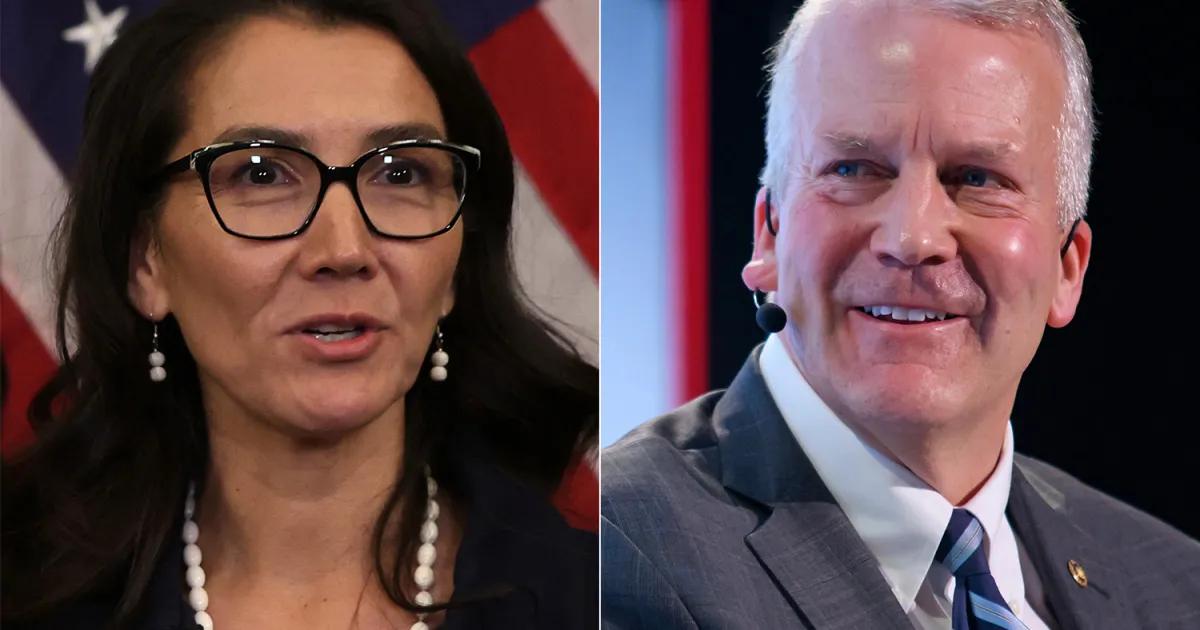
Alaska utilised a nonpartisan blanket primary system established by Ballot Measure 2 in 2020, which eliminated separate party primaries and placed all candidates on a single ballot where the top four vote-getters advance. This structural change has intensified competition in the US Senate race, widely considered one of the most competitive in the country. Incumbent Republican Senator Dan Sullivan faces former Democratic Representative Mary Peltola, with March polling indicating Peltola leading Sullivan among primary voters at 46.4 per cent to 40.9 per cent.
The Senate contest is further complicated by the presence of two candidates named Dan Sullivan on the ballot. The Alaska Supreme Court ordered the restoration of Dan J Sullivan Jr to the ballot after initial removal, raising concerns about voter confusion in the non-ranked-choice primary. Super PACs have spent over $2 million to boost candidates not considered serious contenders for the seat, potentially altering the November field. Sullivan has secured substantial backing from the Republican Senate Leadership Fund and the American Israel Public Affairs Committee, reflecting his hawkish stance on Iran and support for Israel.
In the Alaska governor’s race, seventeen candidates are competing to replace term-limited Republican Governor Mike Dunleavy. The field includes former Governor Bill Walker running as an independent, alongside numerous Republicans and Democrats. The crowded contest highlights the state’s shifting political landscape, with voters deciding who will lead the state in a cycle where Alaska remains a focal point for control of Congress.
Wyoming presents a different dynamic, characterised by a rare leadership turnover as retiring Senator Cynthia Lummis steps down. Republican Representative Harriet Hageman has emerged as the favourite to succeed Lummis, backed by Donald Trump, Lummis, and Senator John Barrasso. Hageman’s move to the Senate has opened her former House seat, with nine candidates competing for the Republican nomination, including former State Superintendent Jillian Balow and State Senate President Bo Biteman.
While Hageman is the clear favourite, other candidates like former Kirby Mayor Sam Mead are challenging the status quo. Mead has promised to push back against Trump on issues such as public lands, tariffs, and foreign wars, signalling a potential divide between the hard-right bloc controlling the state House and more traditional conservatives in the Senate. The races in Wyoming could further consolidate the state’s ultraconservative politics or begin to push them toward the centre.
Voting in Alaska began at 7am local time and closed at 8pm, staggered across the state’s two time zones. Wyoming polls opened at 7am and closed at 7pm local time. The outcomes in both states will provide an early read on voter sentiment ahead of the midterms, with potential ripples extending well beyond their small electorates.