Alabama voters head to polls as Supreme Court clears path for redistricting overhaul
Incumbent Governor Kay Ivey is term-limited while Senator Tommy Tuberville’s Senate seat draws a crowded field of Republican contenders.
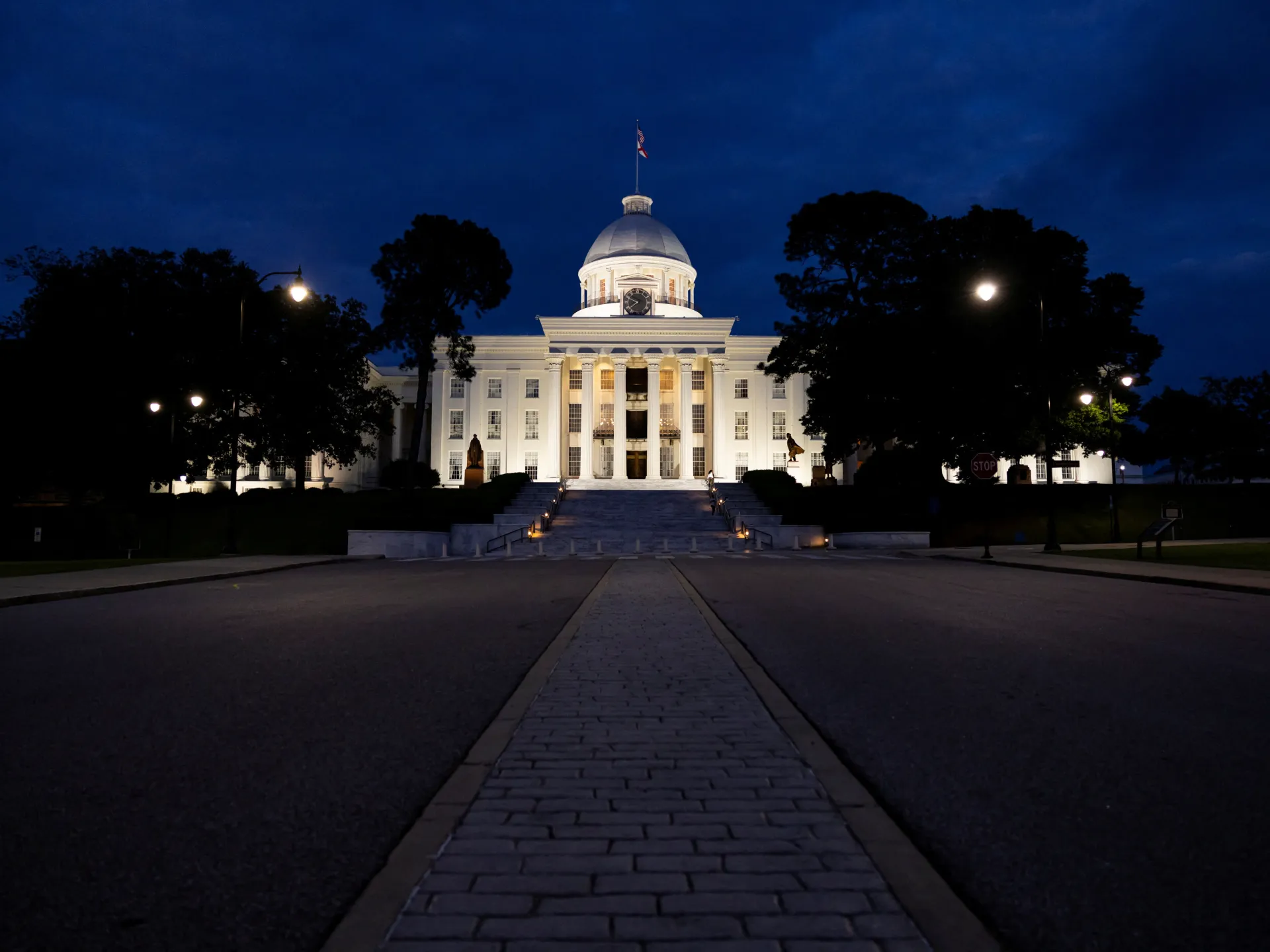
Voters in Alabama cast ballots on Tuesday for primary elections across statewide and federal races, with voting hours running from 7:00am to 7:00pm local time. The election cycle is defined by a recent US Supreme Court decision that permits the state to implement a previously blocked congressional redistricting map. The new map, which concentrates Democratic voters in specific areas, is expected to benefit Republicans in the November midterms. Special primaries are scheduled for August in four congressional districts to accommodate these changes.
Key contests include the governorship, where incumbent Kay Ivey is term-limited after serving two consecutive terms since 2017. The Republican governor’s primary features six Democrats and three Republicans, with Senator Tommy Tuberville leading the pack. Tuberville, a former football coach and right-wing stalwart, has built a national profile during his single term in Congress.
The most closely watched race is the contest for Tuberville’s seat in the US Senate. Ten candidates total are vying for his job, with six Republicans in the field. Frontrunners include Attorney General Steve Marshall, Navy SEAL veteran Jared Hudson, and US Representative Barry Moore. Moore leads the Republican Senate primary with 23% support, followed by Hudson at 19% and Marshall at 14%, with 40% of voters undecided.
If no Republican candidate secures at least 50% of the vote in the Senate primary, a runoff is likely in June. In the governor’s race, Tuberville holds 65% support according to recent polling. The new redistricting map alters Districts 1, 2, 6, and 7 by clustering Democratic voters, particularly absorbing the westernmost stretch of one district into the Birmingham-based district.
The Supreme Court’s ruling weakened how race might be considered in cases of congressional redistricting, requiring plaintiffs to show overt disenfranchisement to overturn maps. This higher bar allowed Alabama to reinstate a map rejected in 2023 for diluting the power of Black voters. The changes are expected to boost Republican chances of gaining an additional House seat, potentially impacting control of the chamber where Republicans currently hold a slim majority.