US withdraws from WWII-era defence board with Canada over spending disputes
The suspension of the Permanent Joint Board on Defence marks a significant escalation in diplomatic tensions, coinciding with ongoing trade disputes and Canada’s push for strategic autonomy.
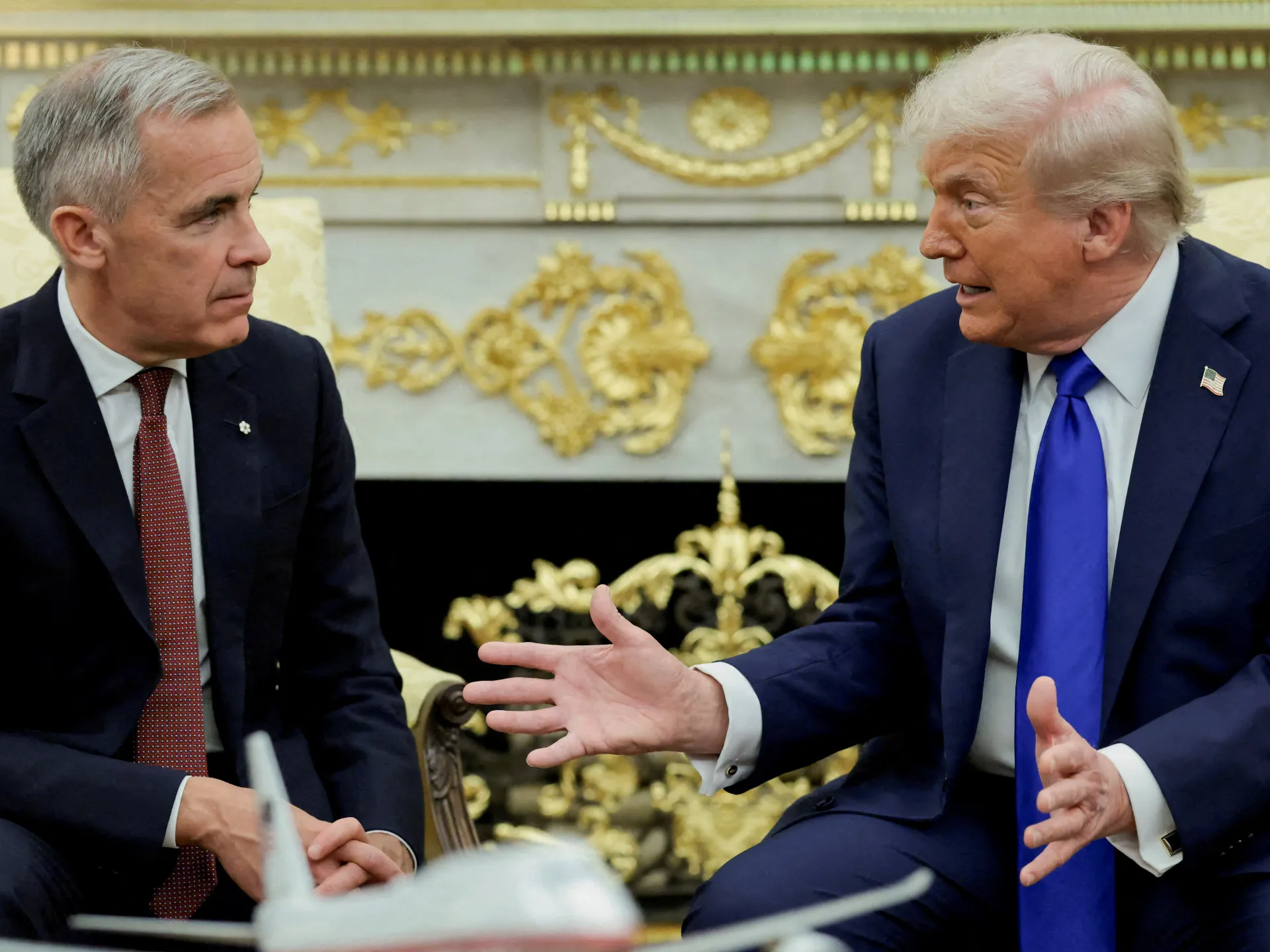
The United States has announced it will withdraw from the Permanent Joint Board on Defence (PJBD), a bilateral security forum established during the Second World War. US Undersecretary of Defense Elbridge Colby confirmed the decision on Monday, stating that the Department of Defense would halt its involvement to reassess the board’s benefits. The move follows a period of strained relations under President Donald Trump’s second term, which has been characterised by accusations regarding trade policies, border security, and defence spending.
Colby, who posted the announcement on social media platform X, argued that Canada had failed to make credible progress on its defence commitments. “We can no longer avoid the gaps between rhetoric and reality,” Colby wrote, asserting that real powers must sustain their rhetoric with shared defence and security responsibilities. The withdrawal represents the latest instance of the Trump administration chiding Western allies for what it perceives as an overreliance on US military power, despite allied nations arguing they are ramping up spending and taking greater control over regional security.
Canadian Prime Minister Mark Carney has committed to increasing defence spending to five percent of the country’s gross domestic product (GDP). According to Carney’s government, 3.5 percent of this allocation would be directed toward bolstering “core military capabilities,” while the remainder would fund security-related expenses such as port improvements and emergency preparedness. This commitment aligns with agreements reached at a recent NATO summit in The Hague, where nearly all member states agreed to the five percent target, with Spain being the only member to petition for exclusion.
Despite these financial commitments, Carney has advocated for reduced dependence on the United States, promoting a vision where “middle powers” band together to navigate the current era of great power rivalry. This stance has been interpreted as a reference to distancing Canada from the influence of the US, Russia, and China. Since taking office in March 2025, Carney has been an outspoken supporter of lessening Canada’s economic and military reliance on its southern neighbour.
The diplomatic rift extends beyond defence, with the Trump administration imposing aggressive tariffs on Canadian imports and accusing Canada of unfair trade policies and failing to control illicit cross-border traffic. US Republican Representative Don Bacon criticised the withdrawal from the PJBD, linking it to previous insults from President Trump suggesting Canada could become the 51st state. Bacon argued that such taunts had generated animosity that cost the US economically and militarily. The two nations are scheduled to negotiate an updated version of the USMCA free trade agreement later this year.