Oregon primaries test Kotek’s grip and fuel tax amid economic pressures
With gas prices rising due to the US-Israel war on Iran, a referendum to repeal the state fuel tax sits alongside high-stakes races for governor, Senate, and House seats in Tuesday’s closed primary.
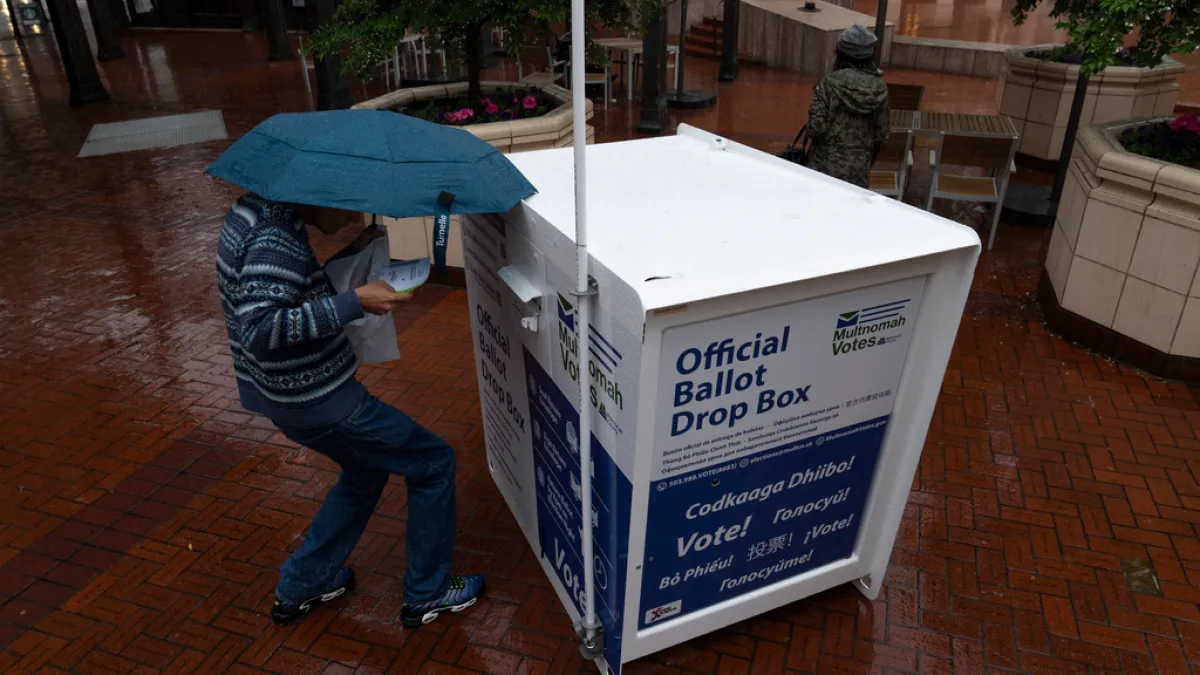
Oregonians headed to the polls on Tuesday for a primary election that will determine the nominees for November’s midterm contests. The ballot features a crowded field for the governorship, with incumbent Governor Tina Kotek seeking a second term against nine Democratic challengers, including a children’s book author, an Indigenous nonprofit leader, and an inventor. In the Republican primary, State Senator Christine Drazan leads with 35 percent support, competing against former NBA player Chris Dudley and State Representative Ed Diehl.
The election also serves as a referendum on economic policy, with voters deciding whether to repeal a state fuel tax increase. Democrats in the state legislature raised the tax to fund roads and supplement the transportation budget, but the measure faces headwinds as gas prices average 80 cents more than before the increase. The surge in costs has been linked to the US-Israel war on Iran, providing Republicans with a potent issue to appeal to voters concerned about the cost of living.
In federal races, US Senator Jeff Merkley is running for a fourth consecutive six-year term. The 69-year-old incumbent faces eight rivals in the Democratic primary but is expected to secure the nomination and remain the frontrunner for the general election. All six of Oregon’s US House seats are also up for grabs, with five Democrats and one Republican, Cliff Bentz, seeking re-election.
Oregon operates a closed primary system, requiring voters to choose nominees only for the party they are registered under. Despite the state’s reputation as a left-wing stronghold since the 1980s, voter registration data shows that less than 25 percent of residents are registered Republicans, while 32 percent are Democrats. The largest proportion of voters identify as non-affiliated, creating a dynamic where primary outcomes in competitive districts could signal how closely state Republicans align with President Donald Trump’s policies.
Preliminary results are expected on Tuesday evening, but official calls may be delayed by the counting of mail-in and provisional ballots. Beyond the major statewide and federal races, nearly 100 local measures are on ballots across the state, focusing on funding for fire departments, schools, and libraries. The outcome of the gubernatorial and fuel tax races will likely set the tone for the political landscape heading into the November midterms.