Al Jazeera series challenges traditional narratives on women in conflict
The latest instalment of the broadcaster’s five-part exploration of global militarism investigates the historical and contemporary roles of women on the battlefield, questioning established records of their contributions.
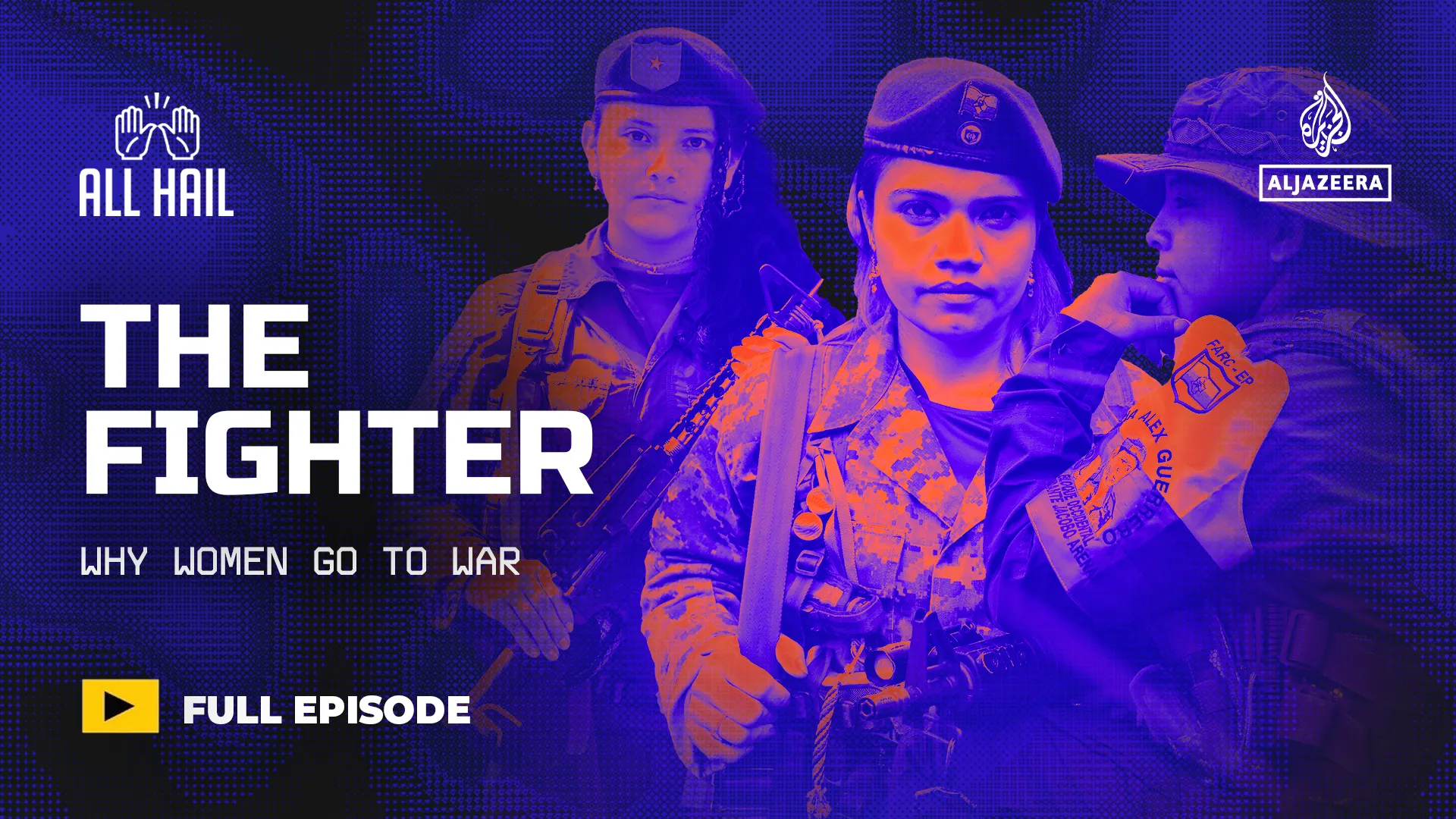
Al Jazeera has released the fourth episode of its five-part series 'All Hail the Military', titled 'Why women go to war'. Hosted by Ali Rae, the programme investigates the historical and contemporary roles of women on the battlefield, specifically examining the circumstances that drive women to take up arms in rebellions and armed conflicts.
The episode posits that women constitute a significantly larger proportion of participants in rebellions compared to national armies. It seeks to analyse the specific motivations, struggles, and situations that lead to this disparity, challenging the conventional image of the military fighter as exclusively male.
According to the broadcaster, traditional historical records and popular narratives have frequently simplified or ignored the multifaceted roles women have played in rebellion, defence, and offence. The series aims to reveal the systems, power dynamics, and hidden complicities that sustain global militarism, arguing that women's contributions have shaped wars in ways history rarely records.
The programme explicitly challenges narratives that often overlook, simplify, or fetishise women's contributions to warfare. It presents these elements as part of a broader analytical framework designed to expose the profound impact of militarism on society, moving beyond surface-level accounts of gender and conflict.
As the fourth instalment in the series, the episode contributes to a wider examination of the structures of global militarism. The production continues to explore how these systems operate and the extent to which they influence global security dynamics and individual participation in armed struggle.