Al Jazeera report: Seven decades of US regime change efforts have failed to deliver stability
A new analysis suggests that while Washington has frequently succeeded in removing specific leaders, the long-term result has been instability, significant financial costs, and entrenched anti-American sentiment.
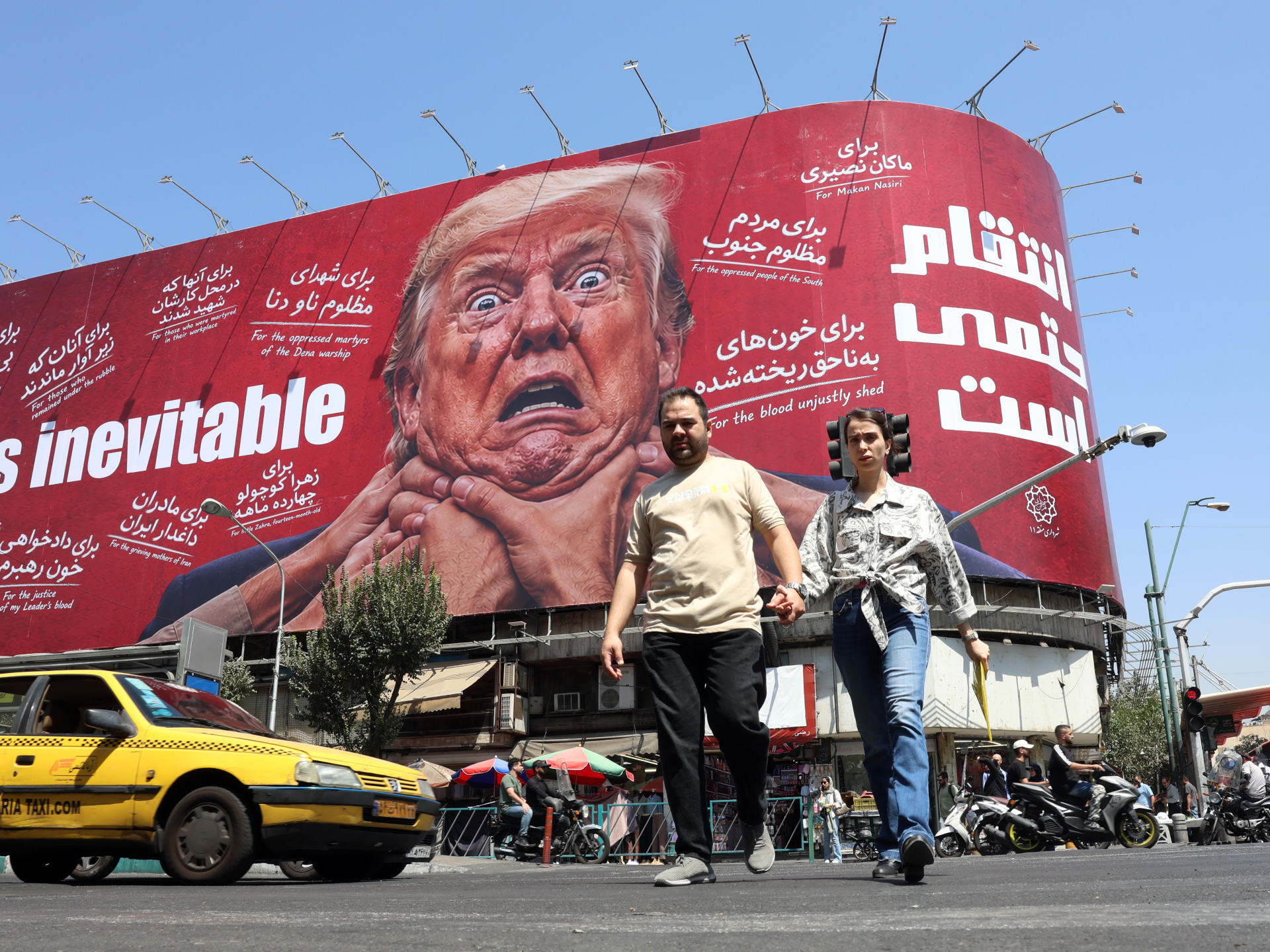
An Al Jazeera report published on 19 August 2026 provides a retrospective analysis of seven decades of United States regime change operations. The report centres on the ongoing conflict between Washington and Tehran, arguing that the current war, initiated by US and Israeli strikes on Iran on 28 February 2026, has failed to achieve its stated objective of regime change. Despite the killing of Supreme Leader Ayatollah Ali Khamenei and other senior figures, the Iranian government has remained in place and reportedly strengthened its grip under the new Supreme Leader, Mojtaba Khamenei.
The analysis traces the US-Iran relationship back to 1953, when the CIA worked with Britain to overthrow Iran’s democratically elected Prime Minister Mohammad Mosaddegh. Mosaddegh was removed after he nationalised the Anglo-Iranian Oil Company, a move Western powers viewed as contrary to their interests. The coup restored the Shah, Mohammed Reza Pahlavi, to power, establishing a close alliance that lasted until the 1979 Islamic Revolution. Since then, Washington has repeatedly sought to weaken the government in Tehran, a pattern the report argues has created larger strategic problems than it solved.
The report cites the Watson Institute of International and Public Affairs at Brown University, which estimates that US-led conflicts since 2001 have resulted in approximately 940,000 direct deaths. When including indirect causes such as disease, hunger, and loss of healthcare, the total toll is estimated at 4.5 to 4.7 million. The financial burden is equally significant, with the US spending an estimated $5.8 trillion on more than two decades of war in the Middle East. A further $2.2 trillion is projected for veterans’ care over the next 30 years.
Historical precedents detailed in the report include the 2003 invasion of Iraq, which removed Saddam Hussein but resulted in approximately 315,000 direct deaths and no discovery of weapons of mass destruction. In Afghanistan, the US maintained a presence for 20 years before the Taliban retook power in 2021. The report also highlights interventions in Libya, where the removal of Muammar Gaddafi in 2011 led to prolonged political fragmentation and conflict.
In Latin America, the report notes a history of US-backed operations against elected governments, including the 1954 overthrow of Guatemala’s Jacobo Arbenz and the 1973 coup in Chile that installed General Augusto Pinochet. More recently, in January 2026, former Venezuelan President Nicolas Maduro and his wife were abducted in a US military operation. This led to the interim presidency of Delcy Rodriguez and the lifting of some sanctions on Venezuela’s oil industry, aligning the country more closely with US interests.
Andreas Krieg, associate professor at King’s College London, told Al Jazeera that the US has repeatedly succeeded in changing Iran’s immediate political trajectory without controlling the consequences. He argued that the 1953 coup succeeded operationally but failed historically by associating the monarchy with Western intervention. Krieg stated that the real lesson from the past 70 years should be strategic discipline, noting that removing one strategic problem can create a much larger one.
Negar Mortavezi, senior fellow at the Center for International Policy, described the US record in the Middle East as one of mayhem, instability, and insecurity. She argued that Washington has frequently confused military power with political control, noting that destroying a government is far easier than controlling what follows. The report concludes that the same assumptions persist seven decades later: that the United States can impose its preferred order from outside and that the consequences can be contained.