Al Jazeera opinion piece warns Saudi strategic patience nearing limit over Houthi threats
A Senior Fellow at King’s College London argues that Iran’s use of the Houthis to test Riyadh’s restraint via proxy warfare may soon force a decisive Saudi military escalation.
An opinion piece published by Al Jazeera on 21 July 2026 argues that Saudi Arabia is approaching the limits of its "strategic patience" regarding Houthi provocations in the Red Sea. The article, authored by a Senior Fellow at the Department of War Studies at King’s College London, posits that Houthi threats to block shipping are part of an Iranian strategy to test Saudi restraint through proxy warfare. It suggests that sustained disruption to Saudi energy exports and maritime lifelines could trigger a comprehensive military response aimed at dismantling Houthi command and control networks.
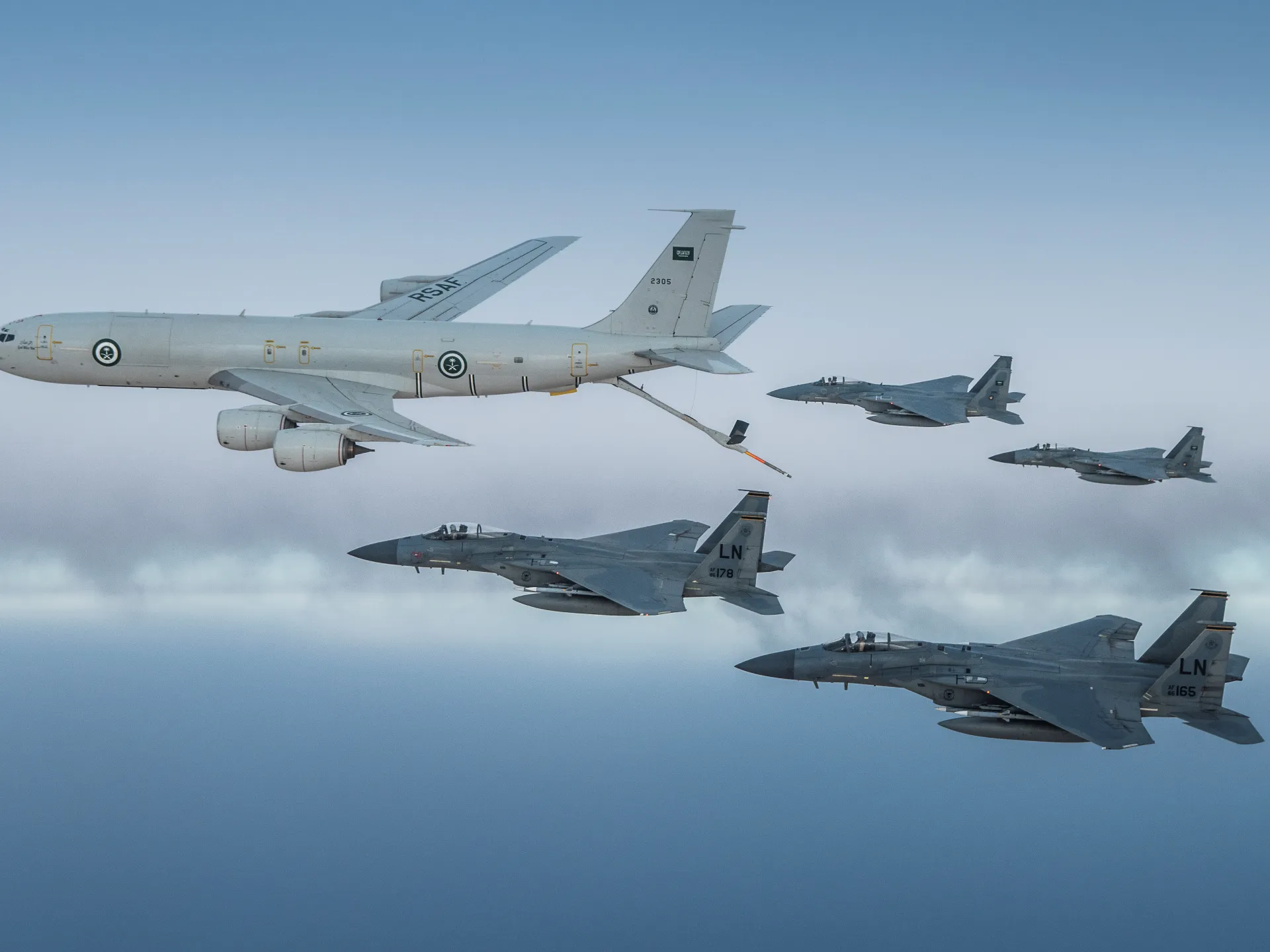
The piece asserts that the Royal Saudi Air Force recently struck Sana’a International Airport to prevent Iran from establishing a permanent logistical corridor for operational planning advisers and missile specialists. This action is framed as a critical measure to deny Tehran a direct logistical architecture capable of sustaining a more sophisticated proxy campaign against Saudi Arabia’s maritime and economic interests. The article highlights that Iran has increasingly turned to proxy warfare and maritime coercion because it is unable to compete with Saudi Arabia’s conventional military and economic trajectory.
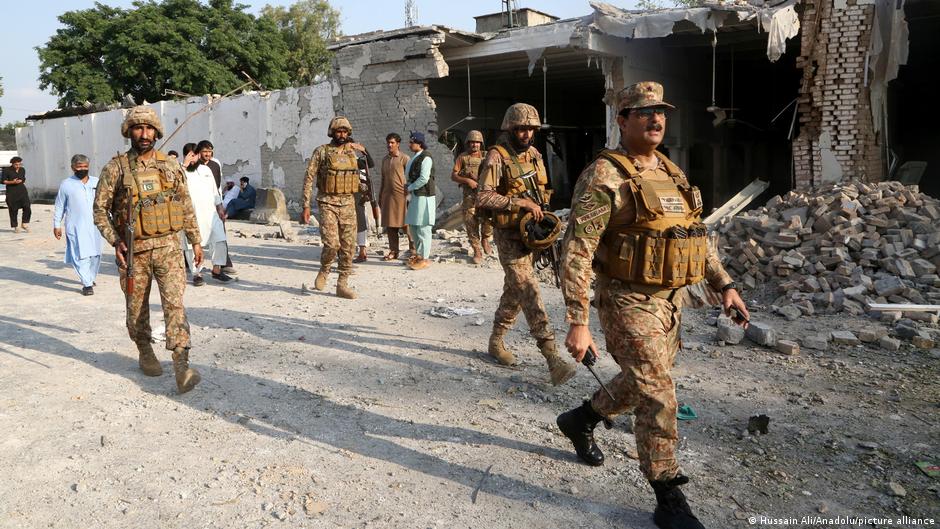
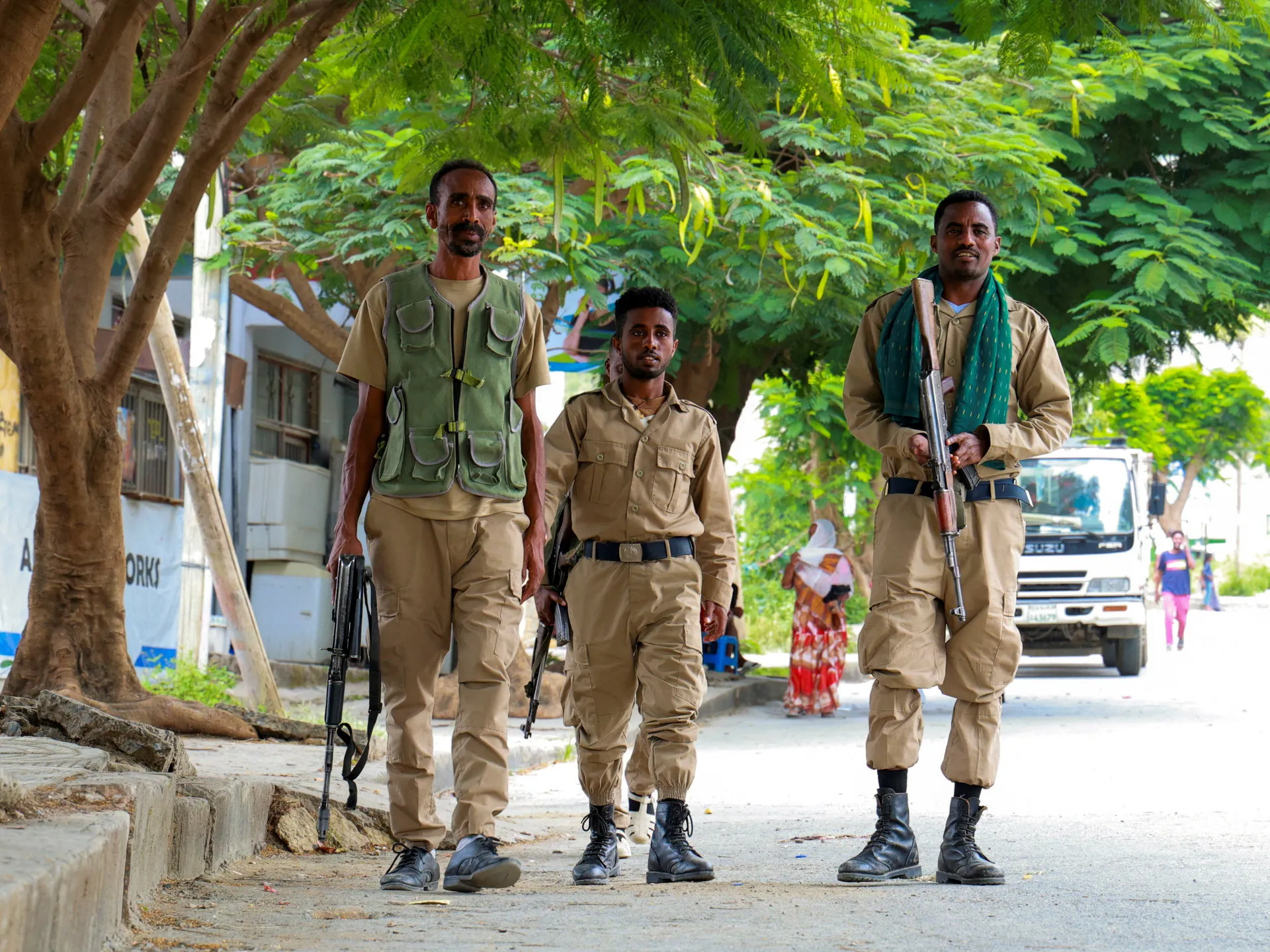
According to the analysis, the Saudi-led Joint Forces Command has transformed into an integrated coalition with over 650,000 personnel, including allied Yemeni, Pakistani, Sudanese, and GCC formations. The article cites a campaign in January 2026 where the Royal Saudi Air Force restored control over southern Yemen in less than a week, demonstrating advanced command and control capabilities. This maturity is attributed to a fused architecture supporting persistent intelligence, electronic warfare, and precision targeting, which compresses the time between intelligence collection and operational execution.
The opinion piece references a period of "Iran war" where Saudi Arabia utilised its 7 million barrels per day East West Pipeline to stabilise global energy markets. It notes that Saudi Arabia remains the world’s largest crude oil exporter and the only country with sufficient spare production capacity to stabilise markets during crises. The article argues that sustained disruption of Saudi exports would ripple through international shipping, insurance markets, inflation, and the global economy, raising the stakes for any further Iranian-backed coercion.
The author concludes that while the Houthis can impose costs through disruption, they cannot sustain a prolonged confrontation against an opponent with overwhelming advantages in intelligence and air power. The piece suggests that a future Saudi response would not simply target missile launchers but would seek to dismantle the entire command-and-control and logistics infrastructure enabling Houthi operations. This marks a significant escalation from previous conflicts, reflecting a fundamentally different stage of Saudi military maturity and coalition integration.