Al Jazeera opinion calls for abolition of post-9/11 security laws
The article argues that emergency powers introduced after the September 11 attacks have become a permanent legal framework underpinning detention, surveillance and protest restrictions.
An Al Jazeera opinion article has called for the abolition of laws introduced after the September 11 attacks, arguing that measures presented as an emergency response have become a permanent security architecture.
The author links that framework to indefinite detention, migrant detention, surveillance of Palestine solidarity protesters and the proscription of a protest movement as a terrorist organisation. The article does not identify the movement, detention facilities or surveillance programmes referenced.
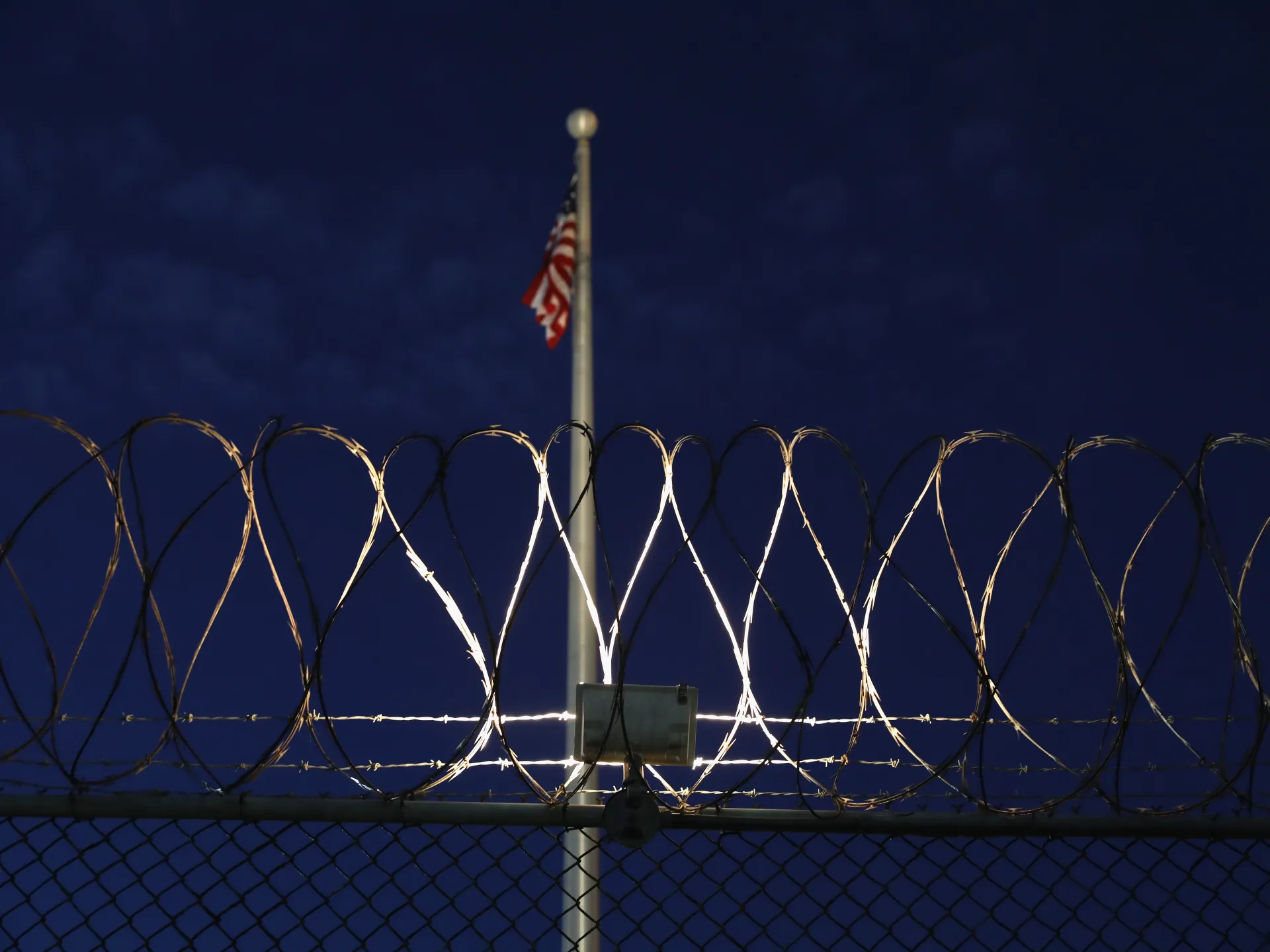
Guantanamo Bay is presented as the clearest example of the system’s reach. The article argues that the detention camp established a method of holding people indefinitely without charge, and that similar legal tools have since been applied in immigration enforcement and protest-related cases.
The piece cites Mansoor Adayfi, who it says was held at Guantanamo for nearly 15 years without charge, alongside Hamid Hayat and Dr Ali al-Tamimi. It argues that convictions or restrictions involving the latter two cases were later undermined, including by a US appellate court ruling involving al-Tamimi.
The author also argues that the security framework should be understood as an extension of earlier Western policies, rather than as a system that began solely with the attacks of 2001. The article says its views are the author’s own and do not necessarily reflect Al Jazeera’s editorial stance.