Al Jazeera investigation highlights labour conditions in India’s salt sector
Report alleges extreme hardships and forced labour within the supply chain of one of the world’s largest salt producers.
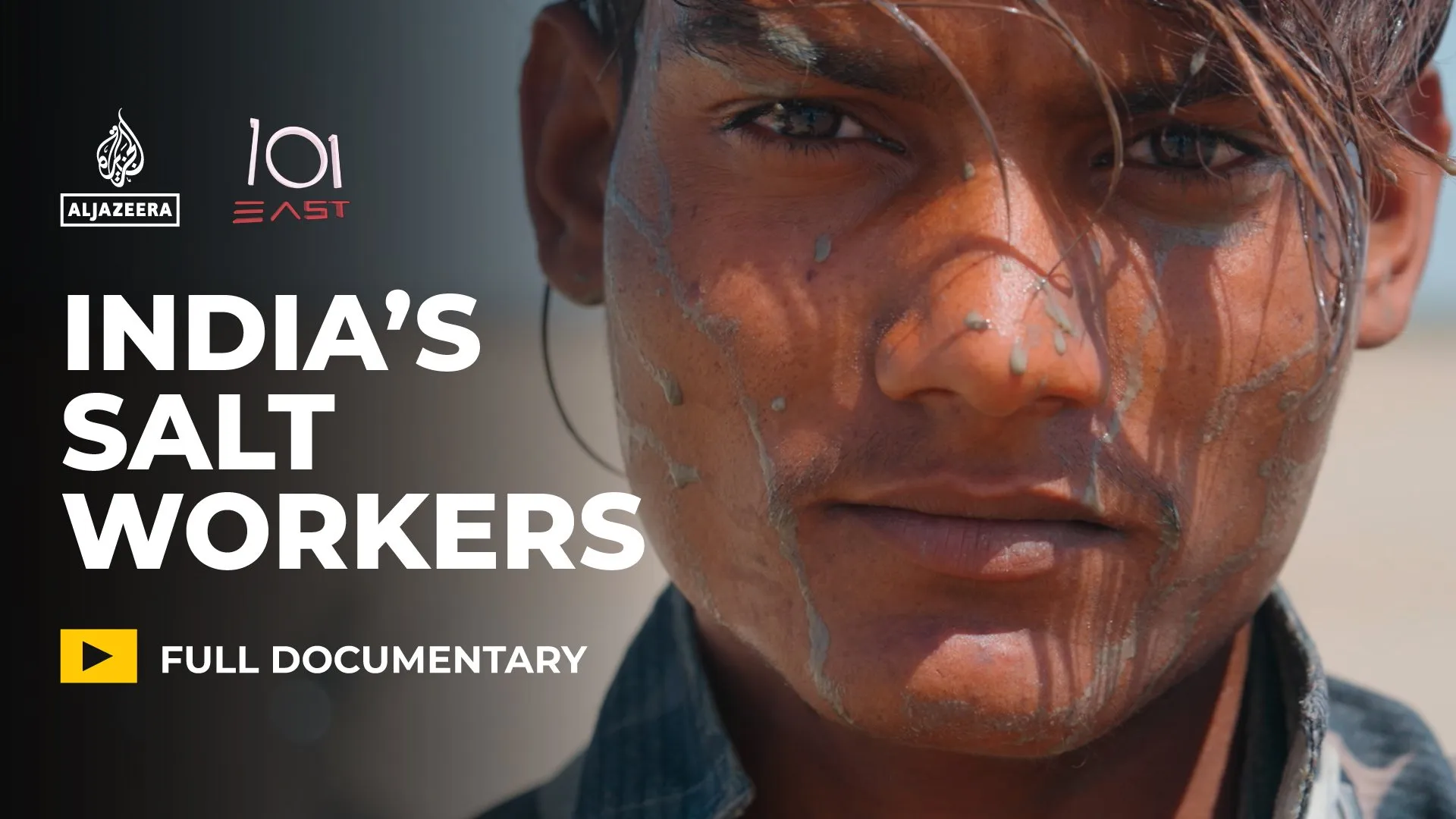
Al Jazeera’s 101 East programme has released an investigation into the supply chain underpinning India’s salt industry, focusing on the working conditions of the Agariva community in Gujarat. The report identifies India as one of the world’s largest producers and exporters of salt, noting that the industry relies heavily on the labour of this marginalised group.
The investigation embeds with workers in the region to document the hardships associated with salt extraction in the country’s salt deserts. According to the programme, the Agariva community is forced to work in extreme conditions, with the report describing the nature of their labour as forced.
The findings suggest that the labour of the Agariva supplies the salt that enters global consumption markets. The report highlights the disparity between the global demand for the commodity and the human cost borne by the workers in Gujarat.
India’s position in the global market is significant, with the industry described as booming. However, the 101 East programme argues that this economic output is built on the exploitation of a specific demographic, raising questions about the governance and oversight of labour practices within the sector.
The investigation provides a detailed account of the daily realities for Agariva workers, aiming to bring visibility to the structural issues within the supply chain. The report underscores the tension between India’s export capabilities and the welfare of its most vulnerable labour forces.