Al Jazeera documentary scrutinises Myanmar’s legal architecture of Rohingya statelessness
The documentary ‘Myanmar: The Architecture of Statelessness’ examines the systematic exclusion of the Rohingya people, focusing on the 2016-2017 clearance operations and the ongoing legal battle at the International Court of Justice.
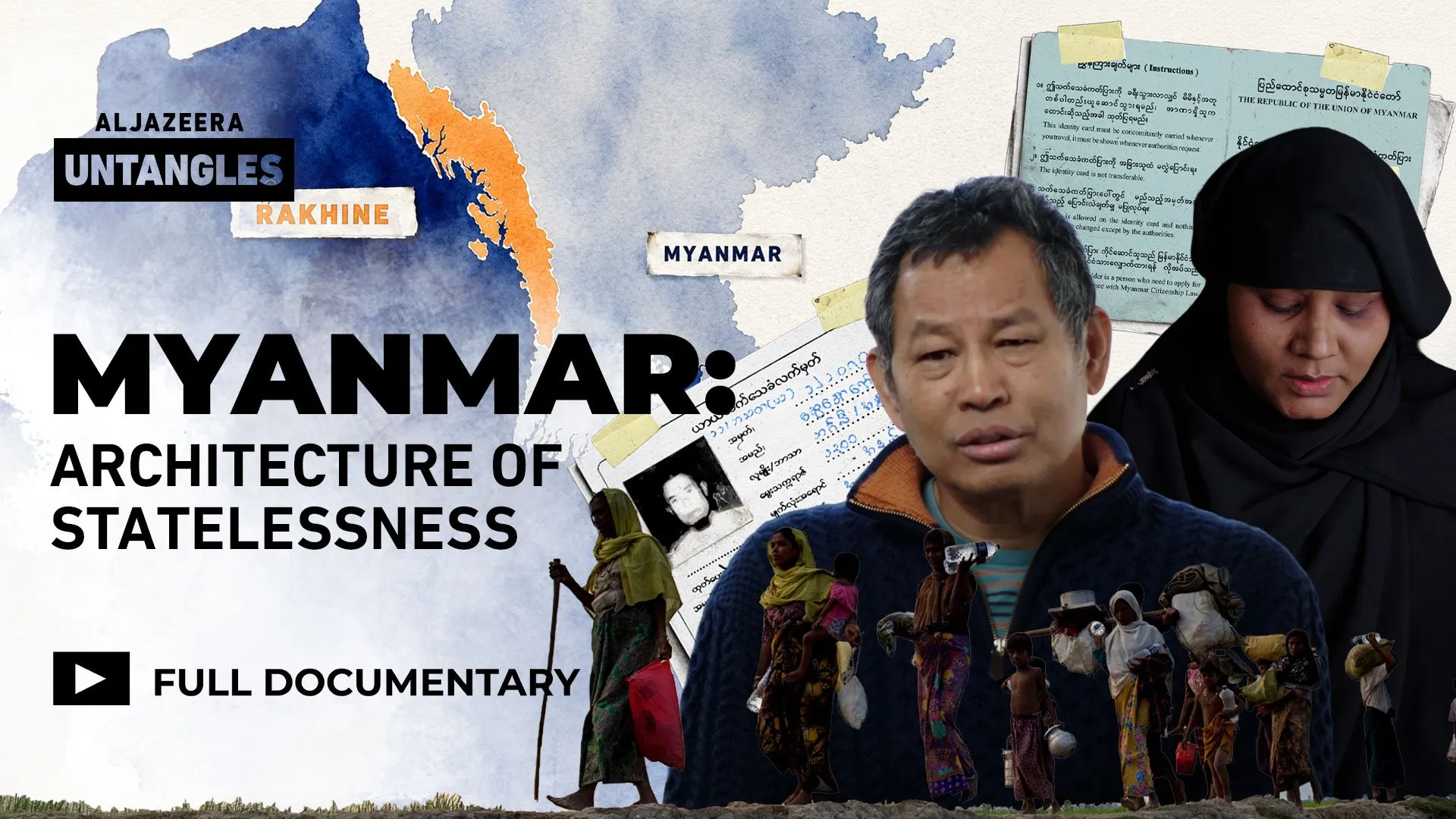
A new documentary released by Al Jazeera Global News has provided a detailed examination of the mechanisms used by Myanmar’s military regimes to strip the Rohingya of their citizenship. Titled ‘Myanmar: The Architecture of Statelessness’, the film outlines how legislative changes and bureaucratic controls were instrumental in excluding the Rohingya from official registers, a process that ultimately led to mass expulsions and a genocide case currently before the International Court of Justice.
The film details how military governments rewrote citizenship laws to systematically remove the Rohingya from civil records. By manipulating identity documents, establishing checkpoints, and enforcing strict travel permit regimes, the state created a framework to control movement and segregate the population. These administrative measures, combined with incitement and continuing waves of violence, served to normalise the erasure of the Rohingya from the broader community.
Focusing specifically on the 2016-2017 clearance operations, the documentary documents the physical consequences of these policies. It records instances of village burnings and mass killings that triggered the flight of hundreds of thousands of Rohingya people into Bangladesh. The narrative is constructed through survivor testimony and interviews with legal experts, offering a ground-level view of the displacement crisis.
Beyond the historical account of violence, the film engages with the current legal proceedings. It explores whether the documented crimes meet the legal threshold for genocide, a question central to the case at the International Court of Justice. The documentary also analyses how Myanmar has mounted its defence against these allegations, providing context for the legal arguments being presented in The Hague.
As the court prepares to deliver its verdict, the film assesses what is ultimately at stake for the Rohingya community. By linking the architectural design of statelessness to the present-day legal challenge, the documentary highlights the enduring impact of decades of discrimination and forced displacement on one of the world’s most vulnerable populations.