Al Jazeera analysis: Israel’s strategic and economic gains amid Iran conflict
A July 26 analysis by Al Jazeera contends that despite the war beginning on 28 February 2026, Israel has avoided significant domestic damage, seeing record defence earnings and stock market highs while Iranian proxies are degraded.

An opinion piece published by Al Jazeera on 26 July 2026 argues that Israel has incurred minimal costs from the war with Iran, which began on 28 February 2026, while benefiting economically and strategically. The article claims Israel’s defence industries have posted record earnings, the shekel has appreciated, and the stock market has reached new highs, despite the conflict. It asserts that Iran’s proxy network, including Hezbollah, Iraqi factions, and the Houthis, has been significantly degraded, shifting the burden of the war onto Gulf states and the United States. The author contends that Israel has successfully transferred military costs to its adversaries and regional partners, resulting in a strategic advantage for Tel Aviv.
The analysis highlights specific economic indicators, noting that the shekel has appreciated by 20 per cent against the US dollar over the past year. The Tel Aviv-35 Index has set records, bolstered by major investments such as Google’s $32bn acquisition of Israeli cloud cybersecurity startup Wiz in March. Defence exports reached $19.2bn in 2025, marking a fifth consecutive record year with growth of nearly 30 per cent. The Bank of Israel projects economic growth of 4 per cent in 2026 and 5.5 per cent in 2027, while gas output from the Leviathan and Tamar fields is expected to exceed three billion cubic feet per day.
Strategically, the piece argues that Iran’s doctrine of using proxies to move confrontation away from its territory has unraveled. Hezbollah is described as exhausted after its 2024 war with Israel, with its military activities prohibited by the Lebanese government under US pressure. Pro-Iranian Iraqi factions suffered losses in US strikes, and the US blocked the return of Nouri al-Maliki to the prime minister’s post in Iraq. The Houthis are targeting Saudi interests rather than the US or Israel directly, further isolating Tehran.
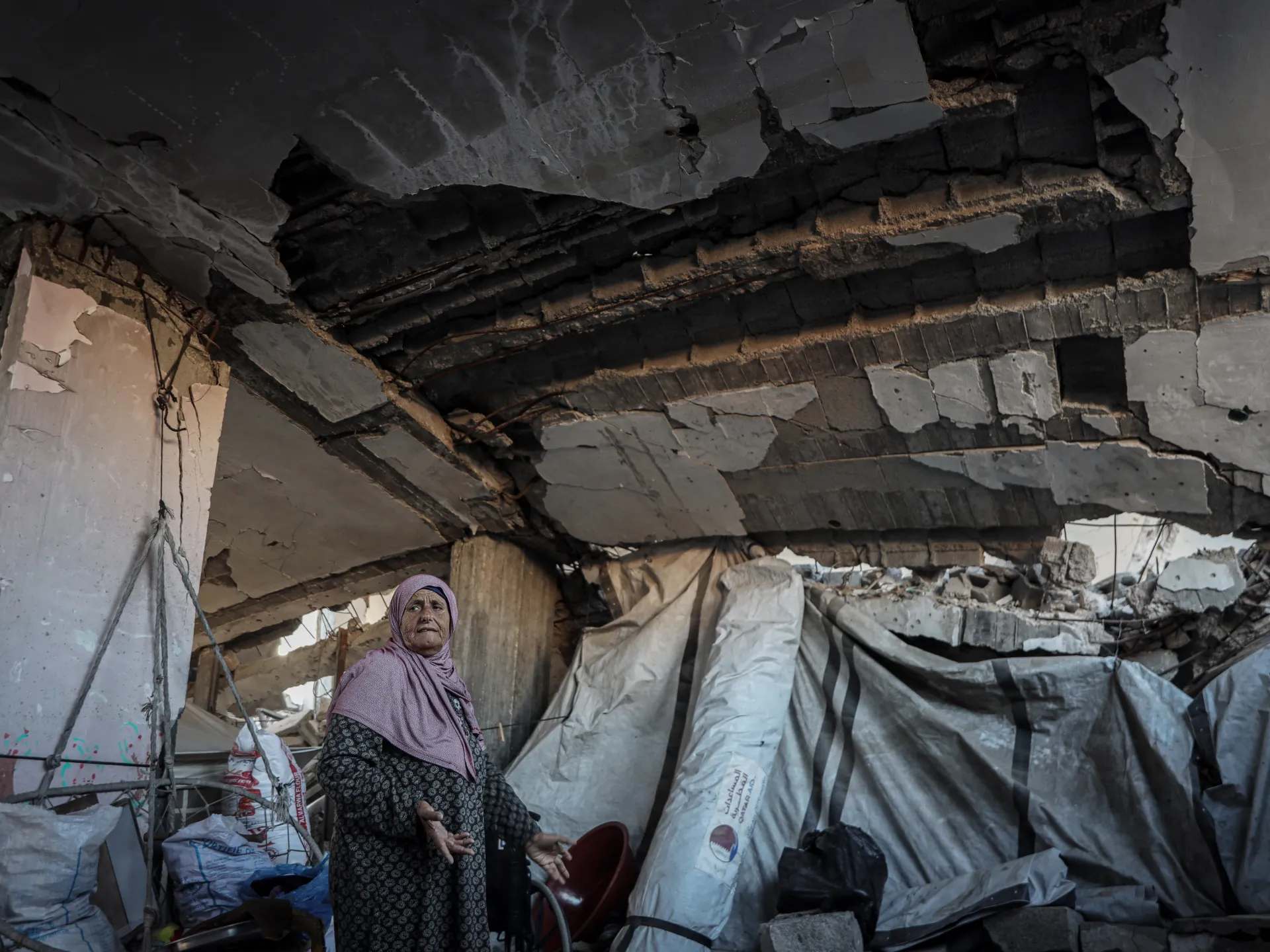
The article asserts that Iranian strikes have concentrated on civilian infrastructure across the Gulf states and Jordan, while deliberately avoiding Israel and American naval assets. This has allowed Israel’s home front to effectively exit the target set, transferring the cost of deterrence to Gulf civilians. Israeli Prime Minister Benjamin Netanyahu is currently visiting Washington to preserve this current strategic asymmetry, aiming to maintain the advantages gained through the redistribution of war costs.
While acknowledging that defence spending has surged and economic output has fallen below its pre-war trajectory, the author concludes that Israel’s position appears stronger than that of its principal adversary. The central paradox identified is that Israel’s greatest gains have come from the transformation of the regional strategic environment rather than just battlefield victories, with the distribution of costs becoming profoundly uneven.