AI tools proposed to detect fatty liver disease early
With over a billion people globally affected by fatty liver disease, new artificial intelligence models are being tested to analyse routine blood tests and x-ray images for early risk detection.
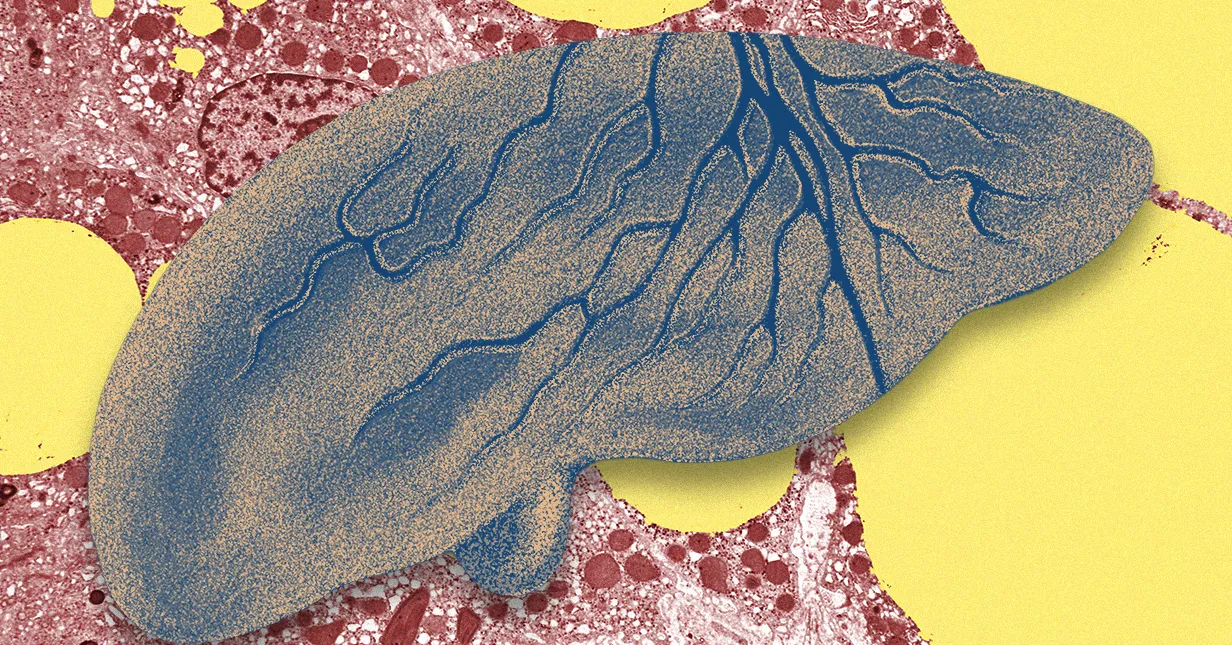
Researchers are investigating the use of artificial intelligence to identify fatty liver disease in its early stages, potentially saving lives and reducing healthcare costs. With over a billion people worldwide affected by the condition, AI algorithms can analyse routine blood tests and x-ray images to pinpoint individuals at risk, addressing the issue that the disease often develops without noticeable symptoms until it is life-threatening.
Jeffrey Lazarus, a professor at the CUNY Graduate School of Public Health and Health Policy, proposes using AI to retrospectively analyse vast numbers of electronic health records and hospital visits to prioritise patients at highest risk. He notes that while the liver can regenerate and fibrosis can be reversed in early stages, traditional care often focuses on late-stage management rather than prevention.
Jonathan Dranoff, a professor of medicine at Yale University, suggests AI could automate the calculation of Fib-4 scores from routine blood tests, easing the administrative burden on primary care physicians. This automation aims to overcome the frustration that simple, non-invasive assessment tools are rarely used despite their potential to improve diagnosis rates in high-risk groups.
Scientists at Osaka Metropolitan University in Japan published a study demonstrating an AI model that can identify fatty liver disease in routine chest x-ray scans with 82 per cent accuracy. Lazarus suggests these algorithms could be incorporated into standard x-ray analyses to flag excess liver fat alongside other risk factors, prompting referrals to specialists.
Danish health tech startup Evido, in partnership with pharmaceutical company Roche, is commercialising LiverPRO, an AI algorithm based on age and nine routine blood biomarkers, which has outperformed Fib-4 in predicting serious liver problems in over 470,000 middle-aged people. An international collective of hepatologists also published results for ALADDIN, an AI model based on routine blood tests that performed better than Fib-4 in identifying patients who could benefit from the drug resmetirom.
Paul Brennan, a specialty registrar at the University of Dundee, notes that while AI will not replace biopsies or imaging, it could serve as a "smarter first pass" to catch moderate-risk patients and reduce unnecessary referrals to hepatologists. Research in Denmark indicates that informing patients of liver fibrosis diagnosis increases their adherence to dietary and exercise regimes, further supporting the economic and humane case for early detection.