African youth pivot from ballots to digital activism as trust in elections erodes
Research indicates a growing rejection of traditional voting among Africa’s young population, who are increasingly turning to street protests and social media mobilisation to challenge authoritarian rule.
A young generation across Africa is increasingly rejecting traditional democratic rituals, shifting their political engagement from polling stations to street protests and digital networks. This strategic pivot is driven by profound disillusionment with aging autocratic rulers and widespread perceptions of electoral fraud. With the continent’s median age recorded at 19.5 years and over 870 million citizens under the age of 25, a significant demographic gap has emerged between the youth and the political establishment.
Research conducted by Christine Hackenesch and Godfred Bonnah Nkansah for the "Megatrends Afrika" initiative highlights this trend. Using data from the Afrobarometer survey platform, the researchers found that young Africans are becoming less likely to vote, citing low credibility in elections and ruling parties that bypass constitutions to retain power. Bonnah Nkansah noted that many young people feel their participation makes little difference, leading to a search for alternative methods of political influence.
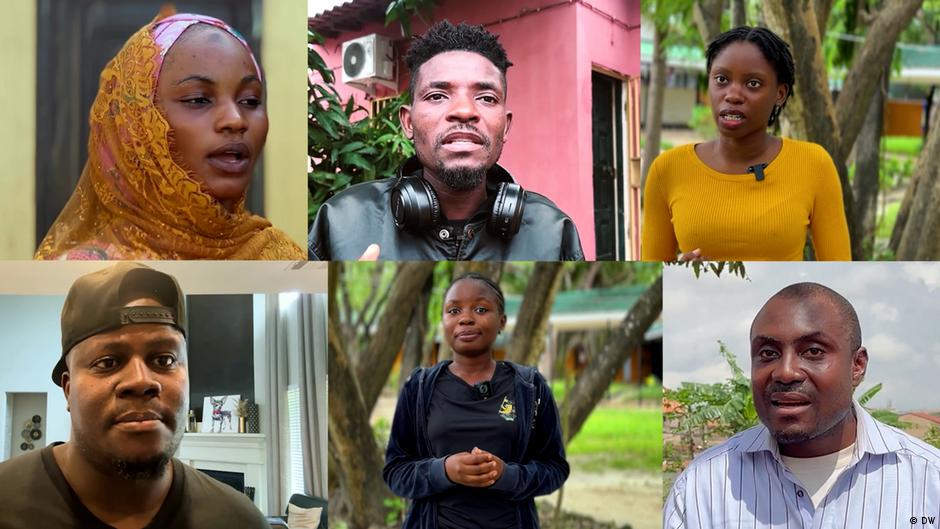
In Tanzania, the government’s crackdown on social openness has made street demonstrations difficult, pushing resistance into the virtual sphere. Student Mbayo Akiri described a cultural break from the tradition of unquestioning obedience to authority, though she acknowledged the risks of government surveillance. The Tanzanian state’s response has forced activists to operate anonymously online, using social networks to amplify concerns about unemployment and civil rights restrictions.
Governments are adapting to these digital tactics. Kyle Findlay of Murmur Intelligence observed that authorities in countries such as Uganda have co-opted the very methods used by opposition figures. Findlay pointed to President Museveni’s camp adopting strategies previously pioneered by musician and opposition leader Bobi Wine to identify and silence protest leaders, mirroring the surveillance capabilities once exclusive to the state.
Despite these challenges, grassroots movements are focusing on long-term institutional rebuilding. In Cameroon, the Okwelians movement, operating under the tenure of 93-year-old President Paul Biya, is prioritising education in schools to cultivate future leaders. Sociologist Joschka Philipps suggested that even support for military juntas, such as in Burkina Faso, can be viewed paradoxically as a form of democratic empowerment against colonial-era political constructs, as young people seek to dismantle systems they view as inherently undemocratic.