African states navigate Strait of Hormuz crisis with low-profile diplomacy
While African Union members on the UN Security Council condemn Iranian attacks, leaders avoid direct attribution of blame to US President Donald Trump, focusing instead on internal supply chain resilience and the strategic imperative of the African Continental Free Trade Area.
African governments have maintained a discreet public profile while conducting behind-the-scenes diplomacy regarding the ongoing crisis in the Strait of Hormuz. The maritime chokepoint, a principal artery for global trade, has been effectively blocked for nearly six months following US-Israeli airstrikes on Iran in late February. The disruption has triggered soaring fossil fuel prices and inflation worldwide, with parts of Africa experiencing severe fuel shortages and threatened harvests due to the region’s reliance on Gulf-sourced fertilisers.
Despite the proximity to the conflict, diplomatic responses have been characterised by caution. African Union members serving on the UN Security Council, including the Democratic Republic of the Congo, Somalia, and Liberia, backed a March resolution condemning Iranian attacks on Gulf states. However, leaders have largely avoided directly attributing responsibility for the conflict to US President Donald Trump or Israeli Prime Minister Benjamin Netanyahu, who initiated the military actions. Political risk analysts note that many leaders fear the geopolitical consequences of directly challenging the US president.
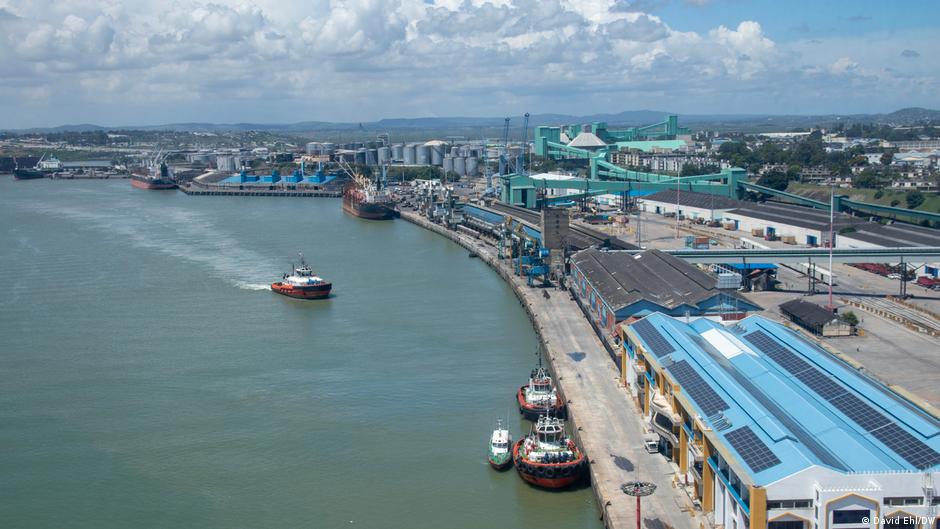
The crisis has exposed starkly divergent outcomes across the continent. Kenya has managed its supply chains with notable success, maintaining constant and reliable deliveries of oil and gas products despite rising costs. In contrast, Ethiopia has faced significant bottlenecks, forcing the government to prioritise fuel distribution for security agencies, public transport, and agriculture. This disparity highlights the varying capacities of African states to navigate volatile global supply networks, with Ethiopia’s previous strong trading ties with Iran now complicated by its need to maintain relations with the United Arab Emirates and Saudi Arabia.
Nigeria has leveraged the crisis to strengthen its position in the global energy market. The country’s Dangote refinery, which came online just as the conflict escalated, has become a critical supplier, recently becoming the world’s largest exporter of aviation fuel. Nigeria has positioned itself as a partner for African clients seeking alternative supply routes, with plans for further refinery expansion in Kenya. While this economic positioning is viewed as strategic, analysts caution that Nigeria continues to grapple with significant governance and security challenges.
The disruptions have reinforced calls for the implementation of the African Continental Free Trade Area (AfCFTA) to reduce reliance on external supply chains. Experts argue that the crisis underscores the necessity of dismantling artificial borders to immunise the continent from global volatility. Although some leaders remain hesitant due to fears of losing political control, the prevailing view among analysts is that increased intra-African trade is essential for long-term stability in an increasingly unpredictable geopolitical landscape.