Africa Forward summit: France proposes 'third way' as nations reject US data storage deals
Zambia, Zimbabwe and Ghana have recently declined proposals to store citizen data in the United States, prompting France to leverage the Nairobi summit to offer a different technological partnership model.
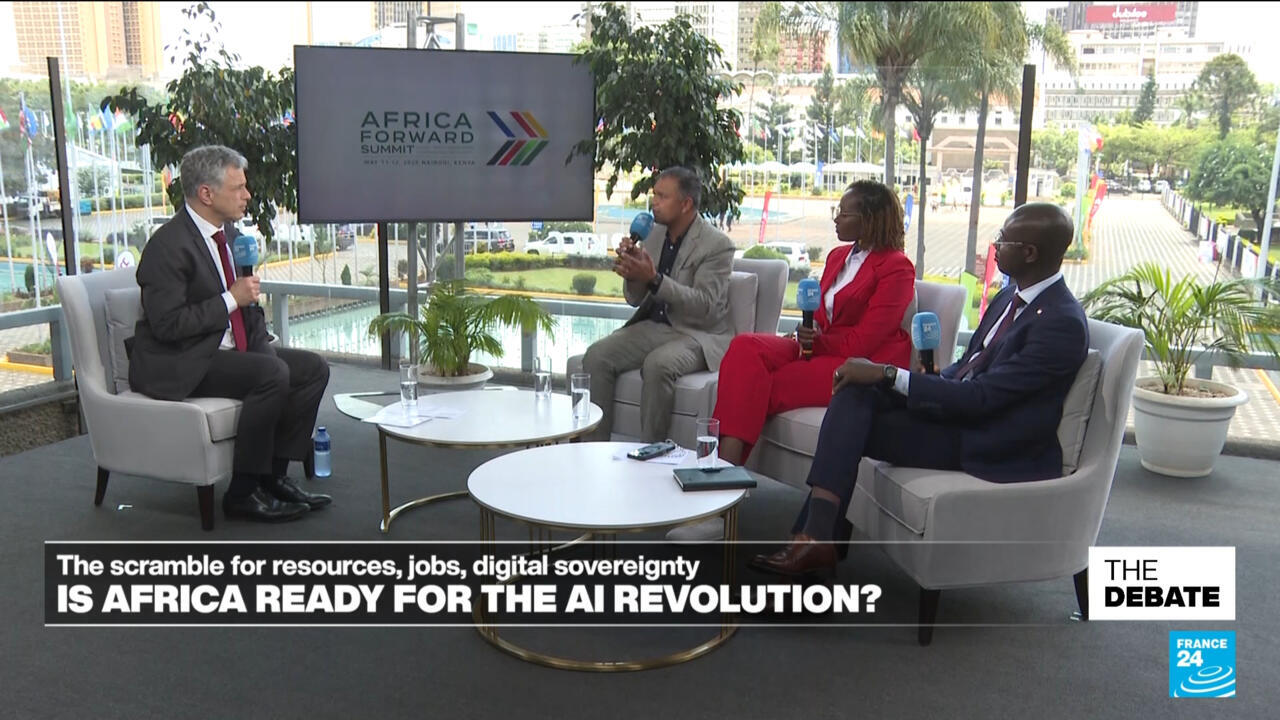
Nations across the continent, including Kenya, are actively scaling up their capabilities to meet the growing demands of the artificial intelligence revolution. This push for local infrastructure comes alongside a broader assertion of digital sovereignty as African governments navigate a global scramble for resources and technological independence.
In a significant shift regarding data governance, Zambia, Zimbabwe, and Ghana have recently rejected deals that would have allowed the storage of citizens' data in the United States. While the specific technical or legal details surrounding these rejections remain unelaborated, the move underscores a regional desire to retain control over sensitive information rather than ceding it to external powers.
Against this backdrop of increasing digital autonomy, France is utilising the Africa Forward summit in Nairobi to advocate for a distinct approach to technology partnerships. French officials view the gathering as a strategic opportunity to propose a 'third way', positioning their nation as a viable alternative to the current hegemony of both United States and Chinese technology giants.
This diplomatic pivot aligns with recent developments between Kenya and France, which include the approval of a five-year renewable defence pact covering intelligence sharing and maritime security. Furthermore, early conversations regarding nuclear energy co-operation are underway, suggesting a deepening of the bilateral relationship beyond the immediate context of the summit.
The focus on data sovereignty reflects a wider trend where African nations seek to manage external tech influence while building domestic capacity. As these countries look to the future, the ability to host their own AI infrastructure and data centres becomes central to their economic and security strategies.
While France presents its proposal as a balanced option, the extent to which this 'third way' will be adopted by other African nations beyond the summit attendees remains uncertain. The summit serves as a platform for discussion, but the final decisions on technology partnerships will depend on how individual governments weigh the benefits of diversification against established global agreements.