Accel in talks to lead $1 billion round for Thinking Machines at $40 billion valuation
The AI lab founded by Mira Murati is seeking fresh capital at a valuation that remains below the $50 billion mark it previously targeted.
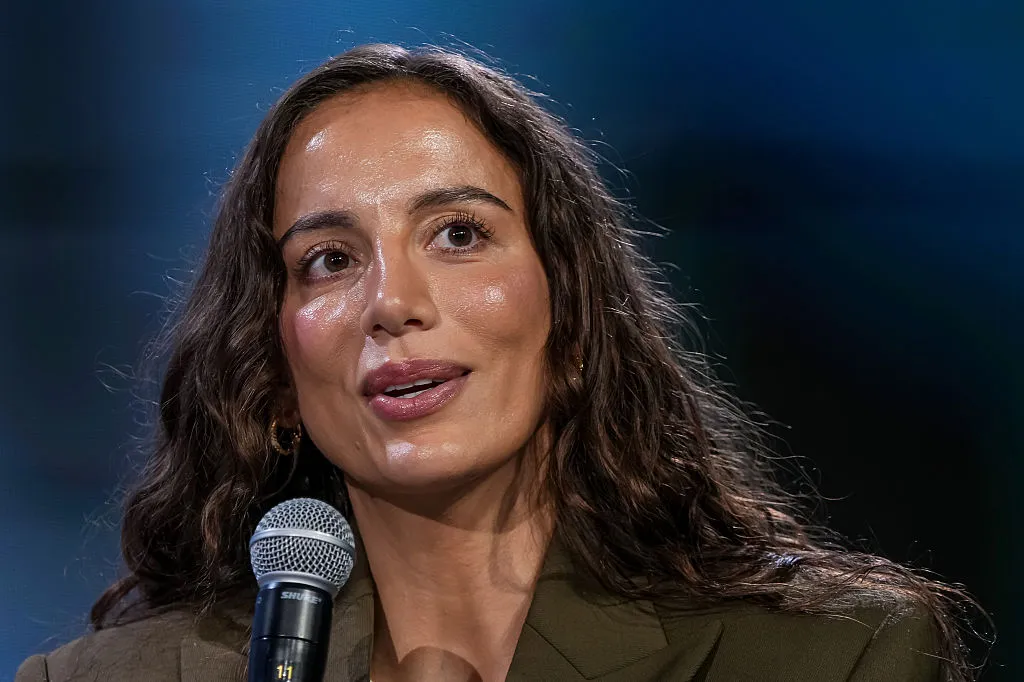
Thinking Machines, the artificial intelligence laboratory established by former OpenAI CTO Mira Murati, is in discussions to raise $1 billion at a valuation of at least $40 billion. According to reports from The Information, existing investor Accel is currently in talks to lead the fundraise. The company and Accel had not immediately responded to requests for comment at the time of reporting.
If the round is completed, the new valuation would sit below the $50 billion figure that Thinking Machines reportedly sought to secure late last year. This adjustment marks a shift in the company’s valuation trajectory following its rapid rise since being founded early last year.
The financial metrics behind the valuation are notable for their scale. A source with knowledge of the company’s financials indicated that Thinking Machines’ annual revenue run rate stands at over $100 million. At that revenue level, a $40 billion valuation reflects an extraordinarily high revenue multiple, a factor that may warrant scrutiny from investors and analysts alike.
The startup’s revenue is generated through its Tinker platform, which charges usage-based compute fees for adapting models on proprietary data. This model was highlighted in July when the company introduced Inkling, an open-weight model that has become a key driver of its commercial activity.
Thinking Machines’ current funding discussions follow a prior $2 billion round that valued the company at $12 billion. That earlier financing, which stands among the largest seed financings in history, was led by Andreessen Horowitz with participation from Nvidia, GV, Lightspeed, and Conviction Partners. Investors in that round largely backed the company based on the pedigree of Murati and the former OpenAI researchers who joined her.
However, the startup has experienced several high-profile departures since its inception. Co-founders Lilian Weng and Luke Metz have returned to OpenAI, a move that underscores the competitive nature of talent in the AI sector. Despite these changes, the company continues to pursue significant capital to support its growth.