a16z launches Borderless Founder network to back international AI startups
Andreessen Horowitz argues that artificial intelligence has shifted the competitive balance, giving foreign founders an edge over their American counterparts through global enterprise demand.
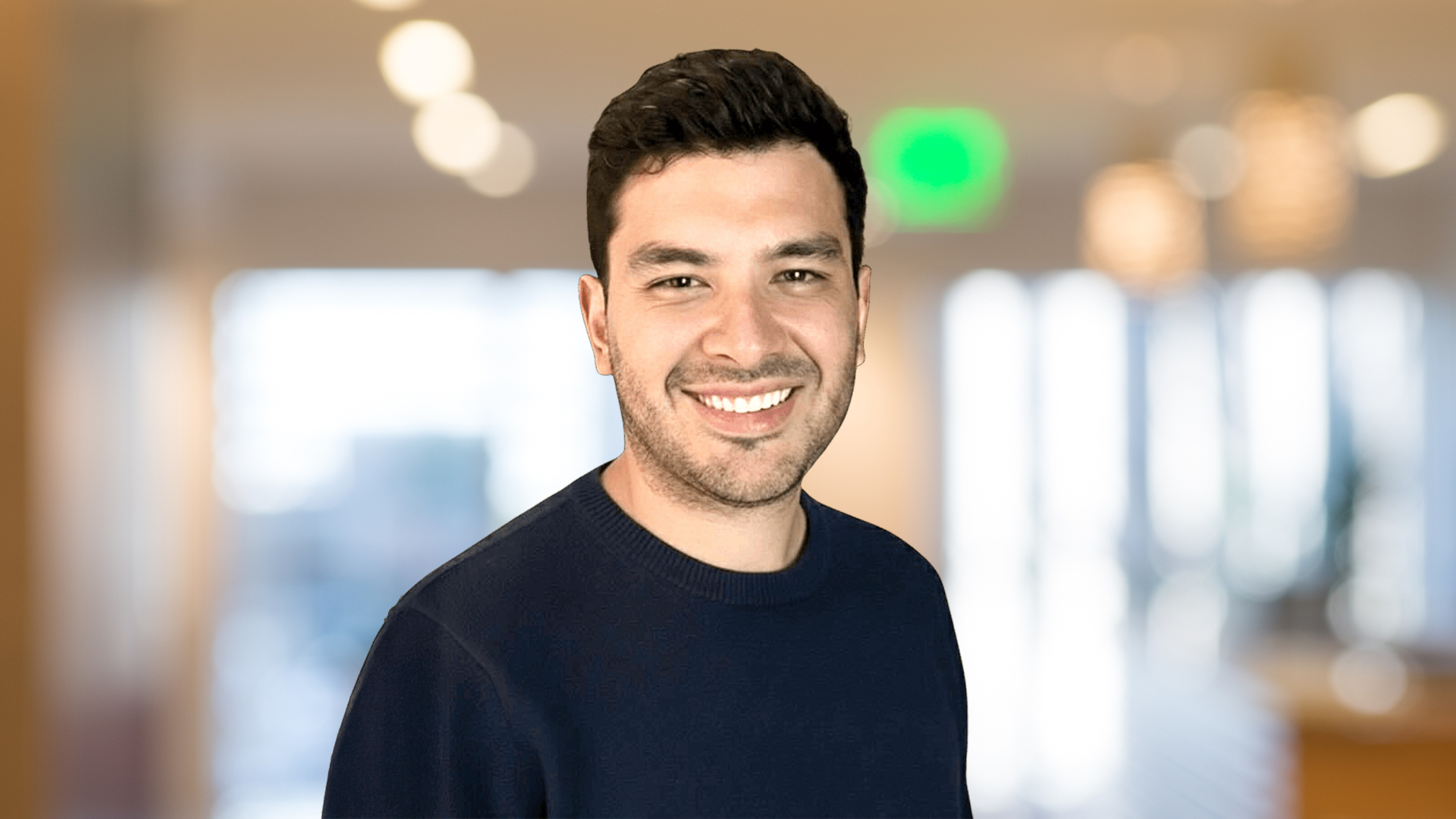
Andreessen Horowitz (a16z) has established the Borderless Founder network, an initiative designed to support immigrant and international founders. The firm’s partners, Gabriel Vasquez and Angela Strange, contend that the current artificial intelligence landscape offers foreign entrepreneurs a distinct competitive advantage over their peers in the United States. This strategic pivot reflects a broader acknowledgement that global connections are now a significant asset in the venture capital ecosystem.
Vasquez, who focuses on AI applications and global investment strategy, noted that 44 per cent of investments in a16z’s Apps Fund One and Two feature an international founder. The partners argue that maintaining operations in a home country while accessing Silicon Valley resources is no longer just a logistical challenge, but a strategic benefit. This approach challenges the traditional expectation that successful founders must relocate to the United States to secure major funding and market traction.
A primary driver of this shift is a dramatic change in enterprise buying patterns over the last three to five years. Vasquez explained that buyers outside the United States previously exhibited low willingness to pay for software solutions, often engaging with startups only through open innovation programmes or accelerators. However, the rise of AI has compelled legacy players to purchase third-party solutions to remain competitive, even in regions where human labour costs are low.
In markets such as Latin America, where software adoption was historically hindered by the availability of cheap labour, AI agents are now becoming commonplace in customer service. These “always on” systems are increasingly accurate, prompting global enterprises to invest in them. Vasquez observed that while American startups often prioritise the domestic market, international founders are well-positioned to serve local clients with AI solutions, leveraging their understanding of regional nuances and talent pools.
The firm has actively pursued international dealflow, with Vasquez citing the expenditure of more than one million air miles to connect with potential founders. This effort is partly driven by the intense competition for talent in Silicon Valley, where firms like Anthropic and OpenAI have raised billions of dollars to recruit top engineers. In contrast, international founders can tap into robust talent clusters outside the United States, such as European academic spinouts in Stockholm, which are emerging as a source of high-quality AI scaleups.
The fluidity of corporate headquarters is also reshaping investment strategies, as evidenced by Poland’s recent stake in a16z portfolio company ElevenLabs. Despite the voice AI startup having only a subsidiary in the country, its customers include major Polish entities such as InPost and LOT Polish Airlines. This development underscores a growing recognition that geographic boundaries are becoming less rigid in the global AI economy.