3D-printed e-reader case exposes flaws in proposed gun-blocking mandates
As New York and California advance legislation requiring 3D printers to detect firearm geometries, experts warn that AI-based visual recognition systems may generate false positives, stifling creative expression and complicating enforcement.
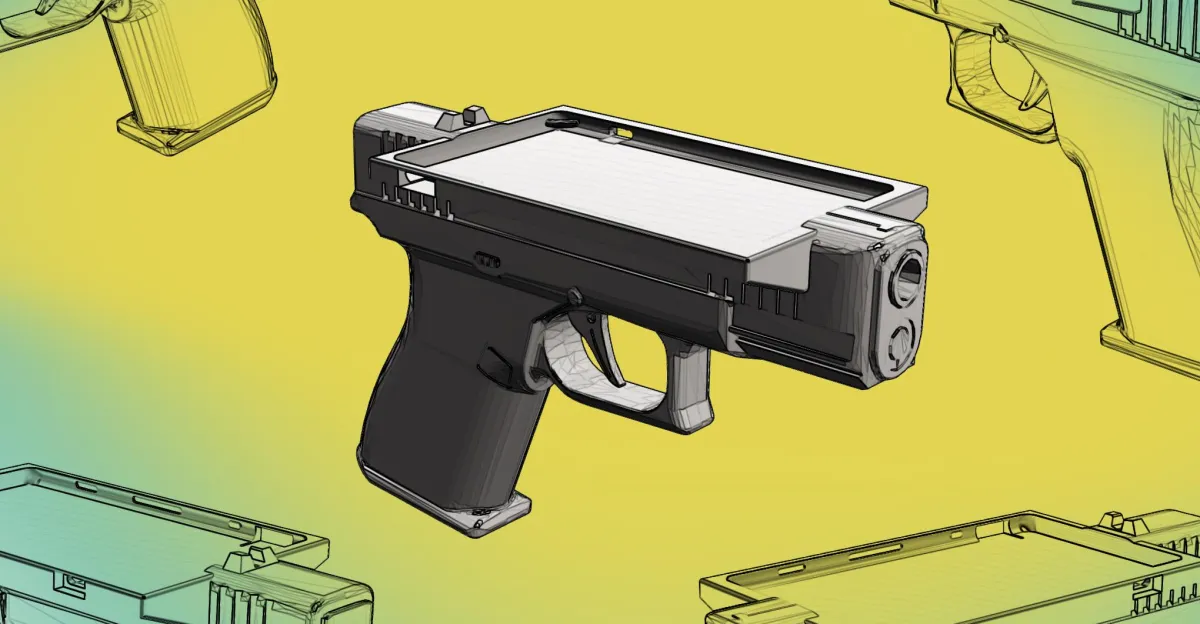
A 3D-printed case for the Xteink X4 e-reader, designed to resemble a pistol, has become a focal point in the debate over proposed legislation mandating gun-blocking software for additive manufacturing devices. Luke Blackford, a creator based in Louisville, Kentucky, constructed the device, which he dubbed the “Gundle,” to illustrate the technical difficulties inherent in algorithmic detection of firearm geometries. The case is non-functional and cannot fire, yet its visual similarity to a real weapon underscores the potential for false positives in proposed regulatory frameworks.
Lawmakers in New York and California are advancing bills that would require 3D printers to scan digital files for gun-like shapes before allowing a print job. The Electronic Frontier Foundation and other critics argue that these measures are technically unfeasible and threaten creative expression. While New York’s legislation has passed the state assembly and California’s has been enacted, both states are relying on expert panels to determine the technical viability of the required scanning technologies.
Experts note that detection methods currently face a significant trade-off between false positives and false negatives. Hashing methods, which compare files against a database of known prohibited designs, can be easily bypassed by minor modifications to a file. Conversely, AI-based visual recognition systems, which analyse geometry to predict if an object resembles a firearm, may incorrectly block harmless items that share similar shapes with weapons.
Blackford created the Gundle using Fusion 360 to modify a free online blueprint of a gun shell, integrating the e-reader into the design. The printing process was completed in under 24 hours using a Bambu Lab H2D printer. He published the design files on his personal website rather than major open-source repositories like Thingiverse to limit widespread distribution, citing concerns about accidental discovery and the potential dangers of carrying realistic-looking replicas in public.
The debate highlights broader concerns about public safety and enforcement. While supporters of the mandates argue that scanning software is necessary to prevent the manufacture of untraceable “ghost guns,” critics point out that conventional firearms vastly outnumber 3D-printed ones in crime statistics. Blackford, who opposes the mandates on the grounds of supporting open software, noted that if such laws were implemented in Kentucky, he would likely use workarounds such as virtual private networks to continue his work.