256GB SSD or 1TB hard drive? The choice comes down to speed versus capacity
Engadget says an SSD can make a computer feel substantially faster, while a 1TB hard drive offers about 3.9 times the advertised capacity at a lower cost per gigabyte.
A 256GB solid-state drive and a 1TB hard disk drive serve different priorities, according to Engadget. The SSD is generally the stronger choice for a computer’s main drive when 256GB is enough space, while the HDD is better suited to bulk storage.
SSDs use flash memory to retrieve data electronically, improving start-up times, application loading and everyday responsiveness. They are also silent and generally more resistant to vibration because they have no moving parts.
HDDs store data on spinning magnetic platters and use a moving read/write head. That makes them slower, but a 1TB model provides about 3.9 times the advertised capacity of a 256GB SSD and usually costs less per gigabyte.
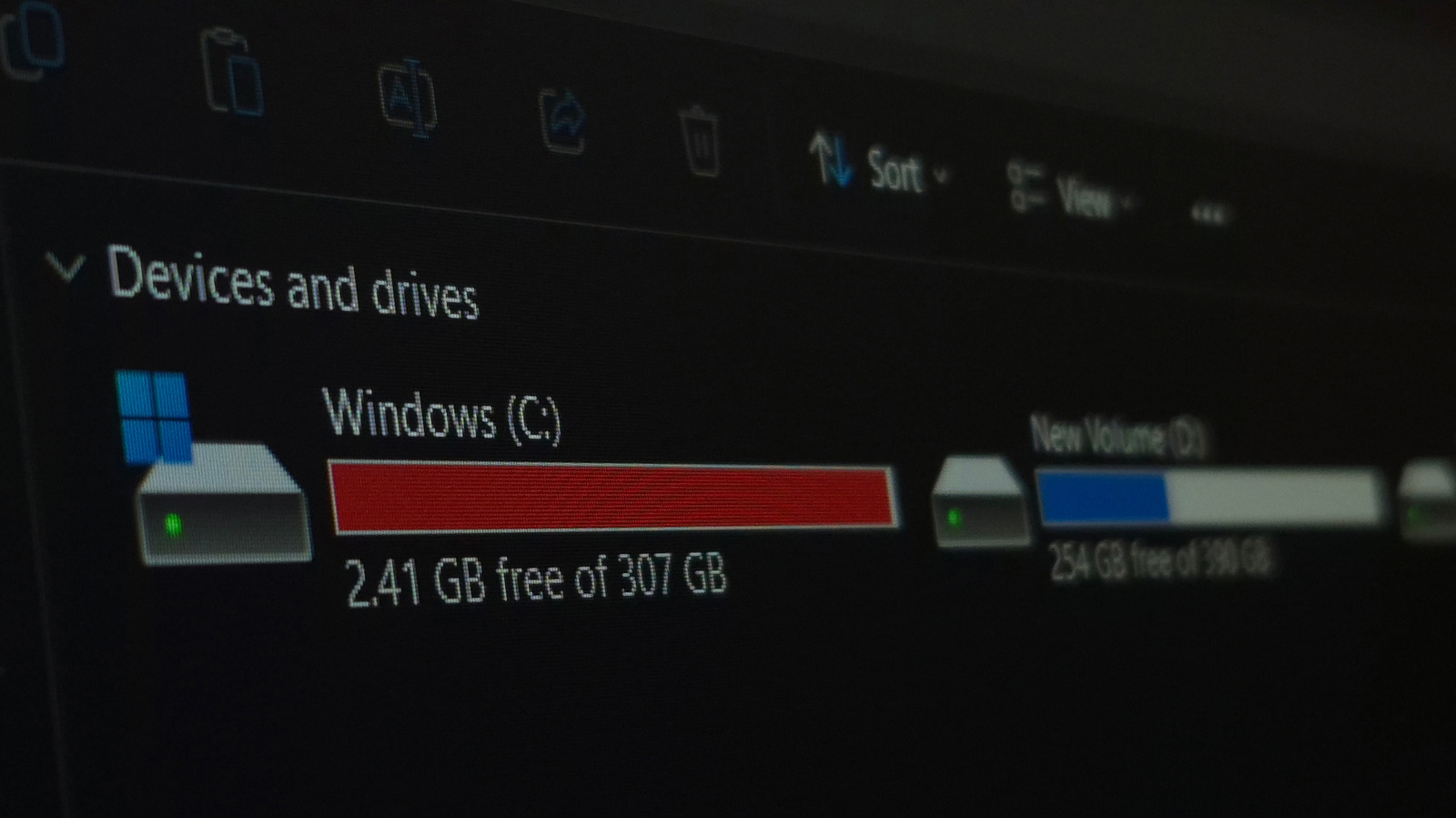
That additional capacity can matter for large game libraries, photos, video, creative projects and backups. A 256GB SSD may be workable for systems focused on web browsing, documents, streaming and cloud storage, but 512GB or more can be preferable for substantial local files.
The decision also depends on the computer itself. Older systems may support 2.5-inch SATA SSDs, while newer machines may use faster NVMe drives. HDDs can be noisier and more vulnerable to shock, particularly in laptops and portable enclosures, although those drawbacks are less significant for a desktop.
Where possible, Engadget suggests using both types of drive: an SSD for the operating system, applications and frequently accessed files, and an HDD for media, backups and other data that needs space more than rapid access. If only one drive is possible, the SSD suits users who value responsiveness and can manage within 256GB; the HDD suits those who would otherwise need to keep deleting or relocating files.