2030 Winter Olympics ice hockey venue shifted from Nice to Paris or Lyon amid political impasse
Technical and financial analyses of local options deemed insufficient, prompting a pivot to existing arenas in the capital and Lyon with a minimum capacity of 10,000 seats.
Organisers of the 2030 Winter Olympics have formally decided to broaden their investigations into existing facilities in major metropolitan areas, specifically Paris and Lyon, as alternatives for the ice hockey competition. This strategic shift follows a political impasse in Nice, where the newly elected mayor, Eric Ciotti, has refused to allow the city's football club to lose access to its stadium for months required for the Games.
The original plan involved converting the Allianz Riviera stadium in Nice into a temporary ice rink. However, Ciotti, a former conservative allied with the National Rally party, opposes the conversion, citing concerns over the impact on the resident football club. Technical, scheduling, and financial analyses conducted by the organising committee highlighted the limitations of these local options, particularly noting their very high cost and operational impact.
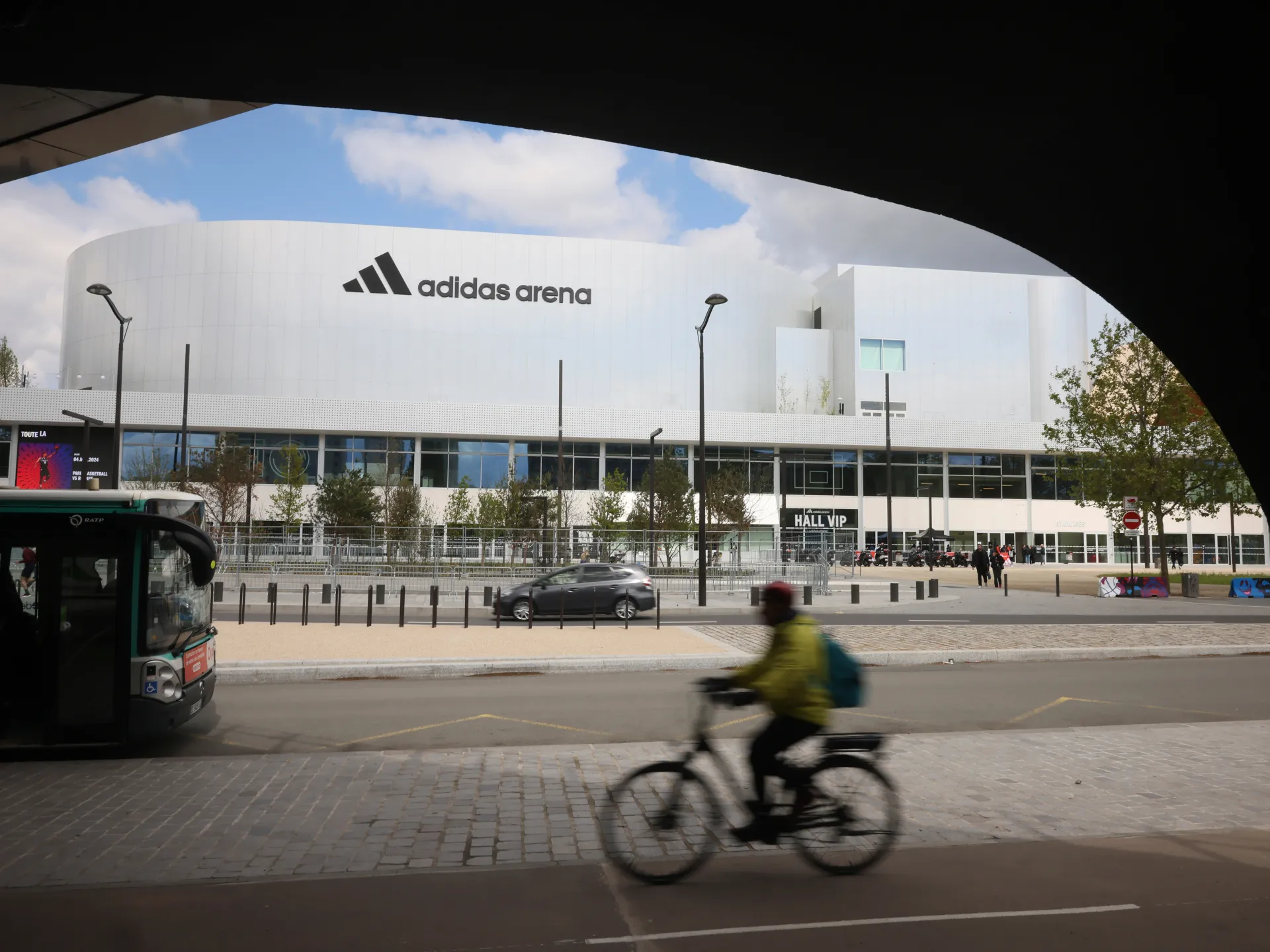
Consequently, the committee has turned its focus to existing facilities in other major metropolitan areas with a minimum seating capacity of 10,000. The Paris Entertainment Company has already submitted a bid to host the events using its Adidas Arena and Accor Arena, venues that were utilised during the 2024 Paris Summer Games. Edgar Grospiron, head of the organising committee, confirmed that results of these explorations will be presented to the executive board on 11 May.
While the ice hockey venue is being reconsidered, French Alps Games organisers stated that a second competition ice rink for skating remains planned at Nice's exhibition centre. Other ice events scheduled in the coastal city are also expected to remain unchanged, preserving the structural integrity of the event in the French Alps despite the venue relocation for hockey.
The final venues are expected to be confirmed in June when the International Olympic Committee decides the list of sports and events. The decision to move away from Nice reflects a broader policy focus on efficiency and budget optimisation, ensuring hosting conditions fully meet the requirements of the Games.