2026 El Niño Projected to Exceed Historical Records, Triggering $10 Trillion Economic Risk
Rapid intensification from a La Niña baseline and rising odds of a 2026 heat record underscore immediate market and climate risks, including a Peruvian anchovy ban and projected global losses by 2032.
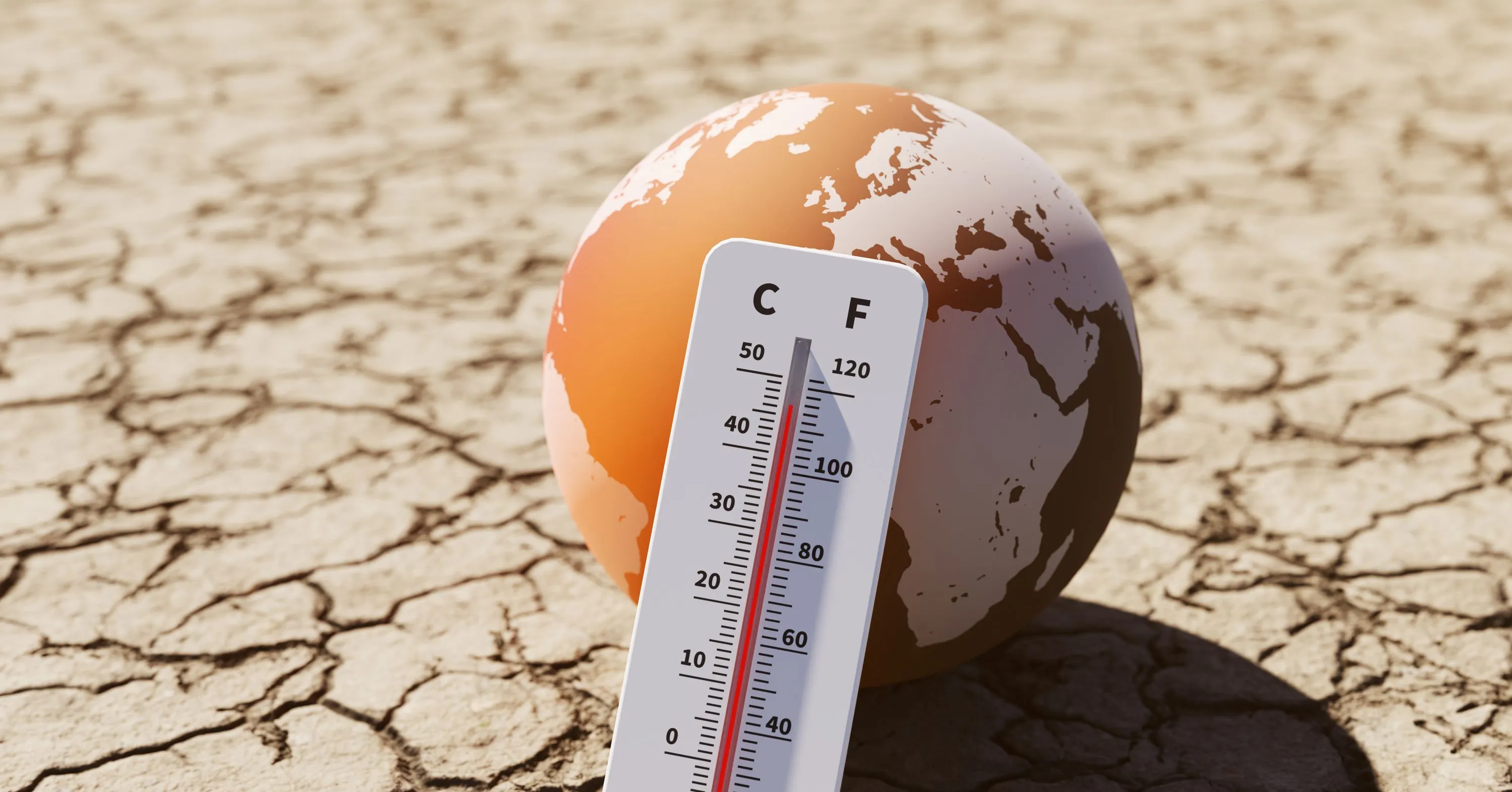
Climate analysis from Berkeley Earth indicates the 2026 El Niño is on track to be the strongest event since reliable records began in 1877. Zeke Hausfather, a scientist at the institution, utilised 14 climate models and 667 simulations to project that Niño 3.4 sea surface temperatures could peak at 3.6 degrees Celsius above normal. This figure would exceed the previous record set during the 2015–2016 episode by approximately 0.8 degrees Celsius, a margin Hausfather described as outside the envelope of historical observations.
The phenomenon is intensifying more rapidly than the 1997–1998 super El Niño and differs significantly from the 2015 event, which benefited from prior ocean warming. This year’s event began from a La Niña baseline, requiring a sharper transition to achieve current projections. The analysis disentangles the event's intensity from background warming driven by fossil fuels, allowing for clearer comparisons with historical super El Niños and suggesting the models are converging on a record-breaking outcome.
Immediate economic and ecological impacts are already materialising. The Peruvian government implemented a ban on catching anchovies this spring in response to reduced fish catches in the eastern Pacific. Concurrently, a separate analysis by Carbon Brief indicates the odds of 2026 setting an annual heat record have risen to 35 per cent as of July, up from 19 per cent in April, as the Pacific heat wave begins to influence global weather patterns.
Looking ahead, the full thermal impact of this event is expected to manifest in the global average temperature during 2027. Projections suggest global temperatures could reach up to 1.7 degrees Celsius above pre-industrial levels, exceeding the 1.5 degrees Celsius threshold often cited as a safe limit. This spike will compound existing warming trends, increasing the frequency and severity of extreme weather events worldwide.
The long-term financial implications are substantial. A study by Dartmouth College climate scientist Justin Mankin linked the 1997–1998 El Niño to approximately $5.7 trillion in reduced global economic growth. Based on current trajectories, economic modelling suggests cumulative global losses of approximately $10 trillion by 2032 due to extreme weather associated with this year’s event, presenting a significant risk to global markets and infrastructure.