Event

Iran Maintains Conditions for Reopening Strait of Hormuz

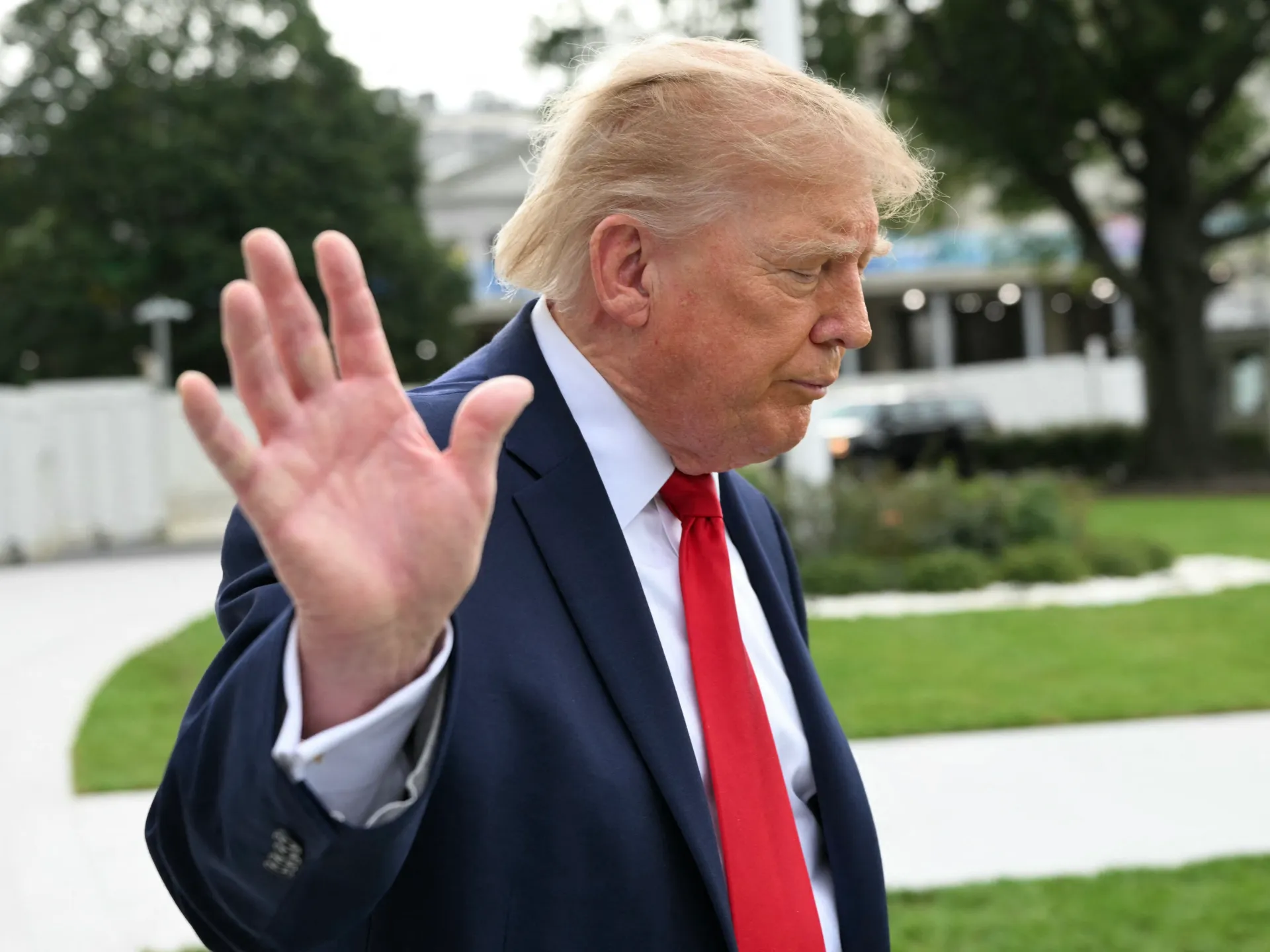
US President Donald Trump rejected Iran’s seven-day proposal to end the war and reopen the Strait of Hormuz, saying its terms were unacceptable. Iran’s offer called for the US to lift its naval blockade, waive oil sanctions, release frozen assets and support a wider regional ceasefire; Iran would then reopen the strait and negotiate a final agreement. Experts say Washington expects continued economic pressure to win more concessions, while Tehran may see waiting or escalation as preferable to a premature deal. Prolonged disruption risks raising energy costs and increasing political pressure on both sides.

2 published stories · policy · source reliability 67%

View all events

Background

Why this event matters

Iran’s seven-day proposal linked reopening the Strait of Hormuz and negotiations on a final agreement to US steps: lifting the naval blockade, waiving oil sanctions, releasing frozen assets and supporting a wider regional ceasefire. President Donald Trump publicly rejected the terms. Iran’s Foreign Minister Abbas Araghchi said Tehran had not received a definitive response through mediators. Qatar has helped mediate discussions. The strait is described as effectively blocked, disrupting Gulf energy shipments.

event-brief

Iran Maintains Conditions for Reopening Strait of Hormuz

Iran’s seven-day proposal linked reopening the Strait of Hormuz and negotiations on a final agreement to US steps: lifting the naval blockade, waiving oil sanctions, releasing frozen assets and supporting a wider regional ceasefire. President Donald Trump publicly rejected the te

Reporting trail
Al Jazeera Global News | https://www.aljazeera.com/news/2026/9/27/better-deal-whats-behind-trumps-rejection-of-irans-truce-offer | published 2026-09-27T13:17:53.000Z | primary sourceAl Jazeera Global News, “ ‘Better deal’: What’s behind Trump’s rejection of Iran’s truce offer?” | Main account of the proposal, Trump’s public rejection, mediation, and expert analysis.Event digest | Concise summary of the proposal and analysts’ interpretation.Retrieved context, [SAME_EVENT] Deutsche Welle item | Corroborates that Tehran said it awaited a definitive US position through Qatari mediators.Retrieved context, [BACKGROUND_CARDS] | Related summaries of the proposal and mediation; secondary context.Deutsche Welle World | https://www.dw.com/en/iran-sticks-to-hormuz-plan-after-trump-rejects-it/a-79447432 | published 2026-09-27T08:07:00.000Z | primary sourceDeutsche Welle World, supplied article | Main report on Iran’s conditions, Trump’s public rejection, mediation and the shipping warning.Event digest | Concise summary of the proposal and Iran’s response; substantially overlaps with the article.Retrieved context: historical context and background cards | Related reporting, but adds no independently verified detail needed for this account.
Fact cards

entity brief

Iran Maintains Conditions for Reopening Strait of Hormuz: key people and institutions

Key entities: Donald Trump, Iran, Abbas Araghchi, Strait of Hormuz.

faq brief

Iran Maintains Conditions for Reopening Strait of Hormuz: key questions

What did Iran propose? The US would lift its naval blockade, waive oil sanctions, release frozen assets and support a wider regional ceasefire; Iran would then reopen the strait and negotiate a final agreement. Has Iran received the US position through mediators? Araghchi said Te

source brief

Iran Maintains Conditions for Reopening Strait of Hormuz: reporting sources

Al Jazeera Global News | https://www.aljazeera.com/news/2026/9/27/better-deal-whats-behind-trumps-rejection-of-irans-truce-offer | published 2026-09-27T13:17:53.000Z | primary source | Al Jazeera Global News, “ ‘Better deal’: What’s behind Trump’s rejection of Iran’s truce offer?

timeline brief

Iran Maintains Conditions for Reopening Strait of Hormuz: timeline

June (year not specified): A memorandum of understanding between the US and Iran collapsed amid disagreements. Last month (relative to 27 September 2026): Attacks around the Strait of Hormuz intensified. 27 September 2026: Trump publicly rejected Iran’s seven-day proposal; Tehran

Timeline

June (year not specified)

A memorandum of understanding between the US and Iran collapsed amid disagreements.

Last month (relative to 27 September 2026)

Attacks around the Strait of Hormuz intensified.

27 September 2026

Trump publicly rejected Iran’s seven-day proposal; Tehran said it was still awaiting a definitive position through mediators.

FAQ

What did Iran propose?

The US would lift its naval blockade, waive oil sanctions, release frozen assets and support a wider regional ceasefire; Iran would then reopen the strait and negotiate a final agreement.

Has Iran received the US position through mediators?

Araghchi said Tehran had not received a definitive response through mediators.

Who has helped mediate?

Qatar has helped mediate US–Iran talks, including discussions on the sidelines of the UN General Assembly in New York.

What conditions has Iran set?

Reported terms include ending regional hostilities, releasing frozen Iranian assets, lifting oil sanctions and ending the US naval blockade.

Has Iran received a formal US rejection through mediators?

Araghchi says it has not received a definitive rejection via Qatari mediators.

What warning has the Persian Gulf Strait Authority issued?

It warned ships against routes it considers illegal and cited possible financial and safety risks and restrictions on future passage.

How important is the strait to energy trade?

Before the war, around a fifth of global oil demand passed through it; it is also a route for liquefied natural gas and fertiliser.