BusinessDraft
US dollar strengthens ahead of key July inflation data
The US dollar gained ground against the yen and Australian dollar on Monday, buoyed by rising oil prices and anticipation of Wednesday’s consumer price index report.
Markets, companies, capital, and the strategic shifts reshaping the global economy.
The US dollar gained ground against the yen and Australian dollar on Monday, buoyed by rising oil prices and anticipation of Wednesday’s consumer price index report.
The world’s largest sovereign wealth fund reported a record $184 billion profit, bringing its total valuation to approximately $2.34 trillion, while disclosing its stake in SpaceX for the first time.

Concurrent strikes on containerships in the Red Sea and Gulf of Oman underscore the escalating risks to maritime logistics as geopolitical tensions intensify.
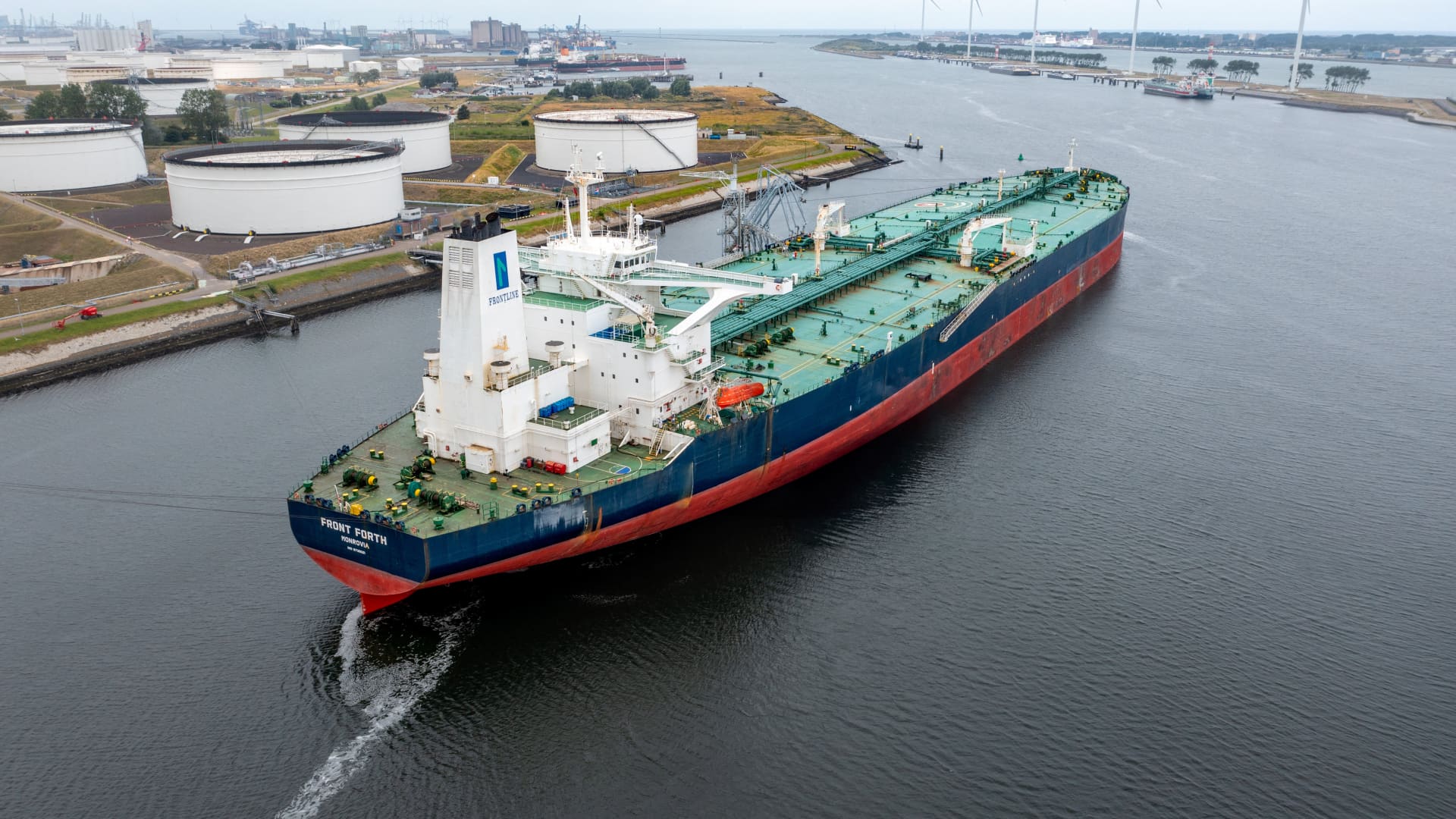
Deadly attacks on vessels in critical waterways have triggered a rise in oil prices, with investors weighing the impact on global logistics.
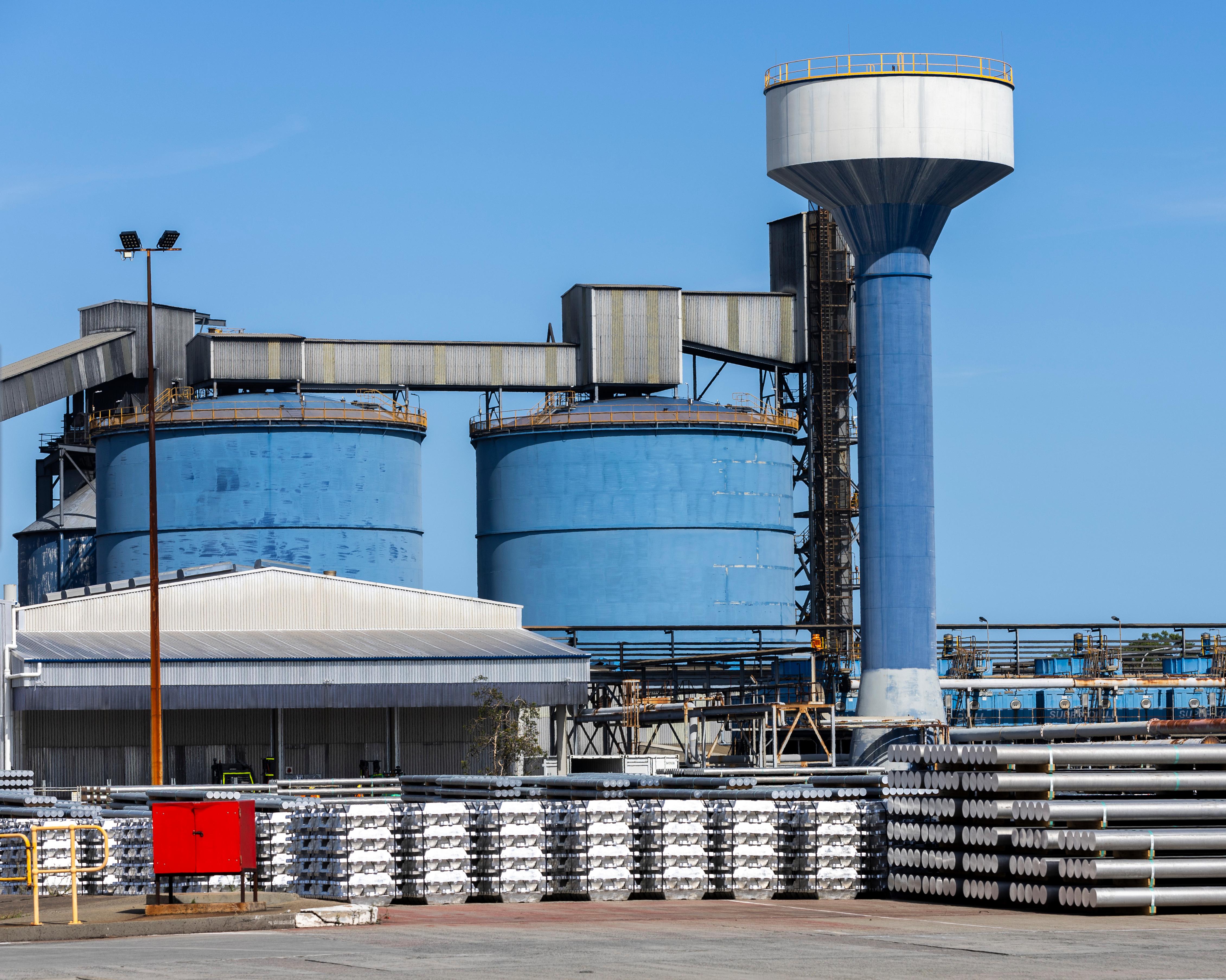
The deal, split evenly between Canberra and Sydney, includes capital improvements and new power purchase agreements with Snowy Hydro to ensure long-term operational stability.
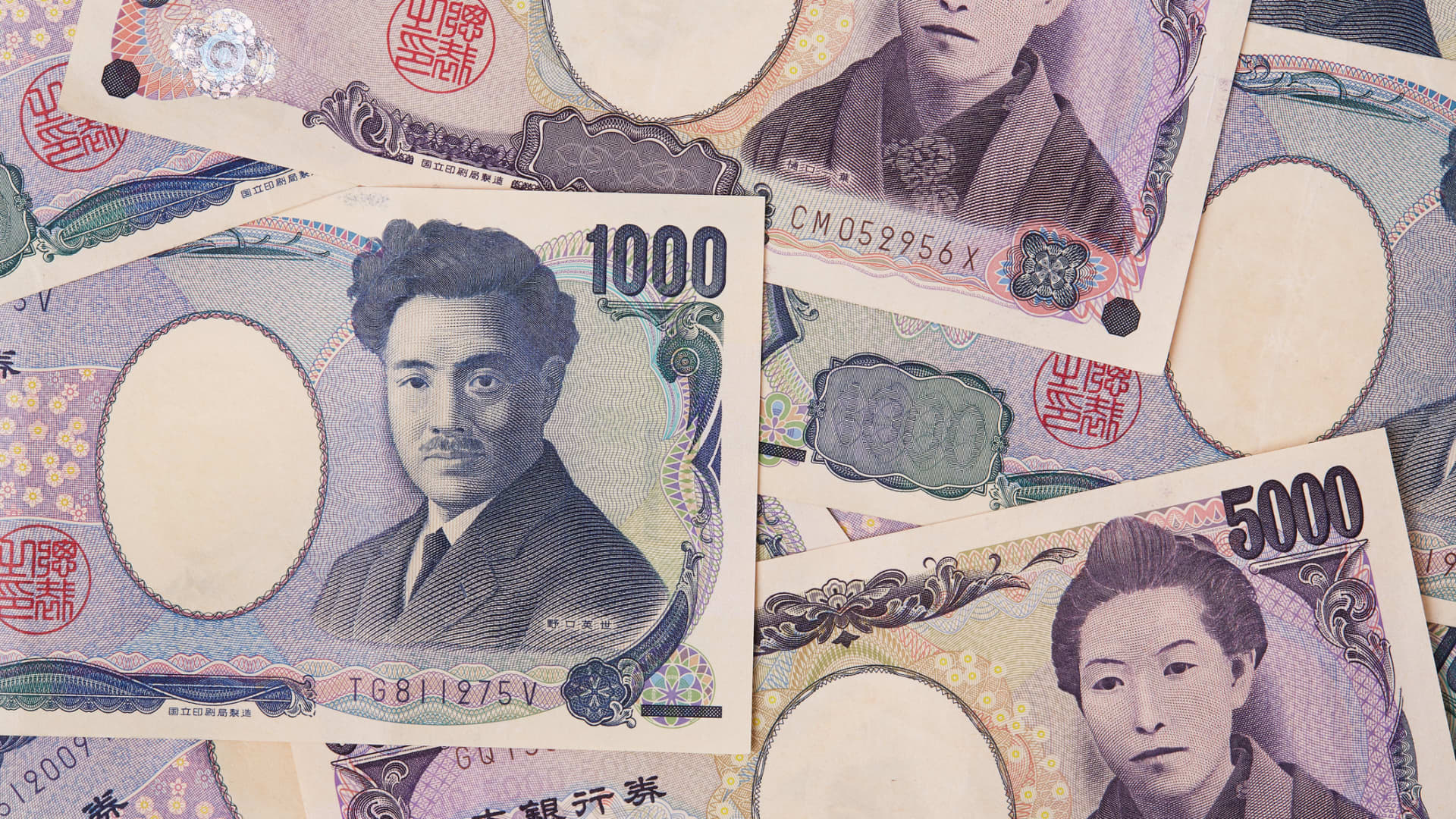
The latest data indicates that the Japanese yen has erased approximately half of the gains achieved following an unprecedented joint intervention by the United States and Japan, according to reports from CNBC.

Longtime executive Brad Lightcap announced his exit on Tuesday, adding to a wave of recent leadership changes at the company.
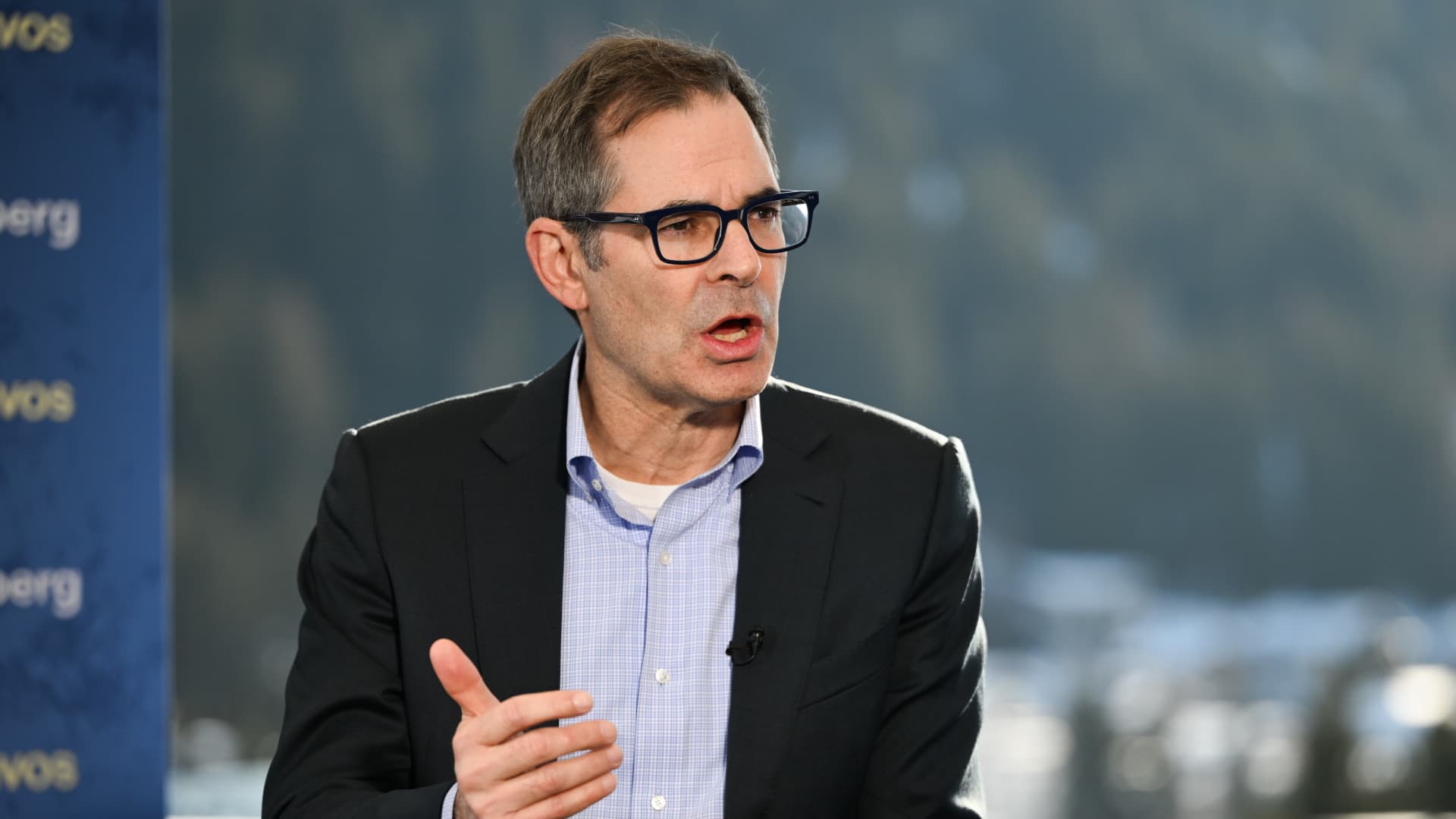
Accelerating demand for artificial intelligence infrastructure has driven CoreWeave’s revenue to double, prompting a sharp rise in share price despite the company’s substantial leverage.
In a strategic response to its biggest customers seeking a stake in the business, Nvidia is pursuing a $500bn deal, according to The Economist.
A new analysis from The Economist suggests that index funds, long viewed as passive investment vehicles, actually require substantial active decision-making, challenging the standard definition of the asset class.
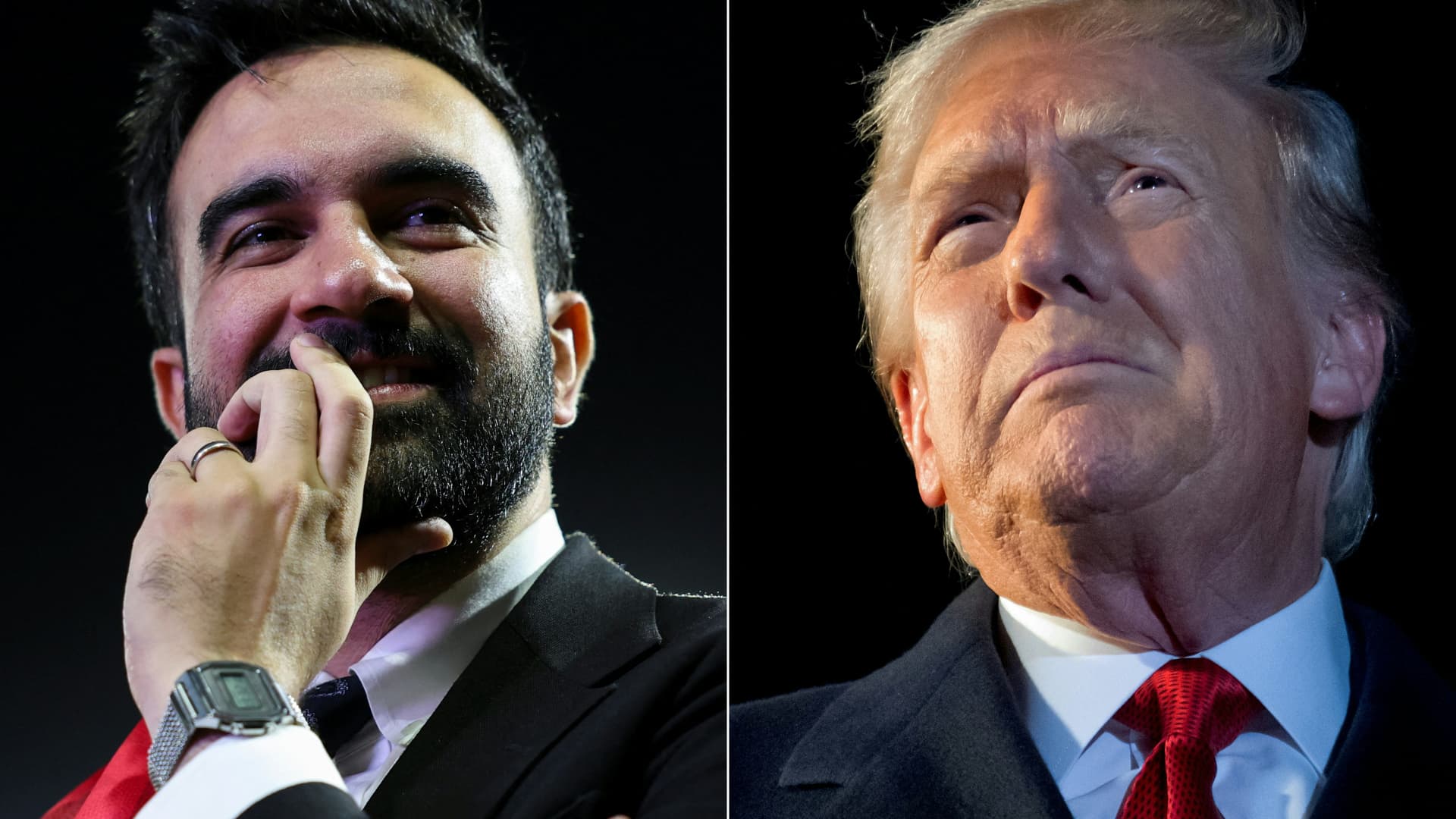
Donald Trump has urged the federal government to block New York City’s pied-à-terre tax, describing the policy as a dangerous political experiment that threatens the economic stability of the city and state.
The financial publication’s latest interactive data focuses on the central narrative of Brazil’s upcoming presidential election, where Luiz Inácio Lula da Silva seeks to retain office against Flávio Bolsonaro.
Lonely Republicans residing in liberal strongholds show lower levels of happiness compared to Democrats, according to a new report from The Economist.
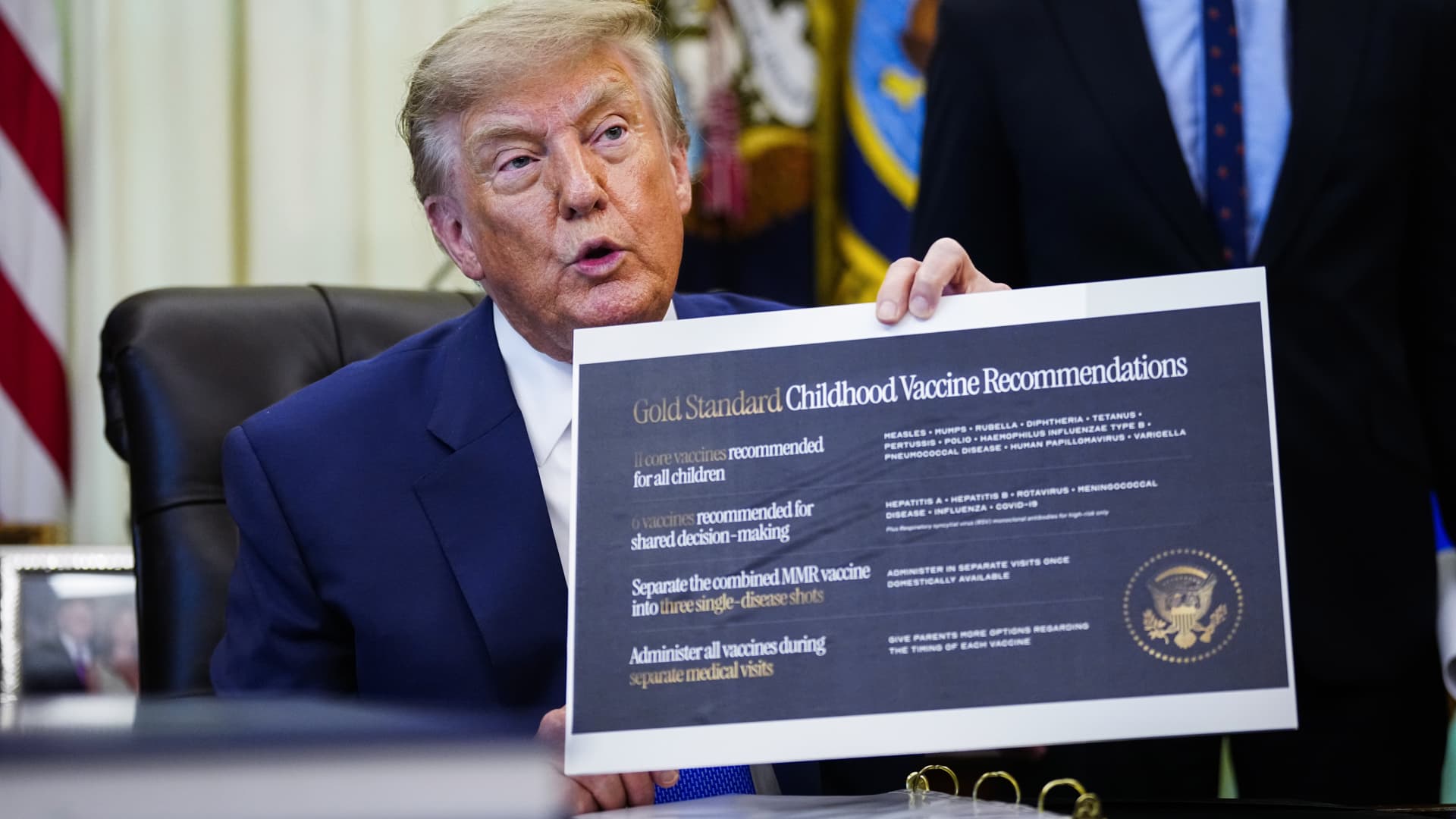
Doctors and public health specialists say the proposal lacks scientific merit and is unlikely to be implemented, warning of potential consequences for immunisation efforts.
New discussion from The Economist probes whether Beijing’s tightening controls reflect strategic caution or underlying concern over the technology’s impact on the regime.
The Economist reports that Ramzan Kadyrov uses his political sway in Russia to spare Chechens from fighting in the Ukraine war, highlighting a divergence between his rhetoric and the protection of his regional population.
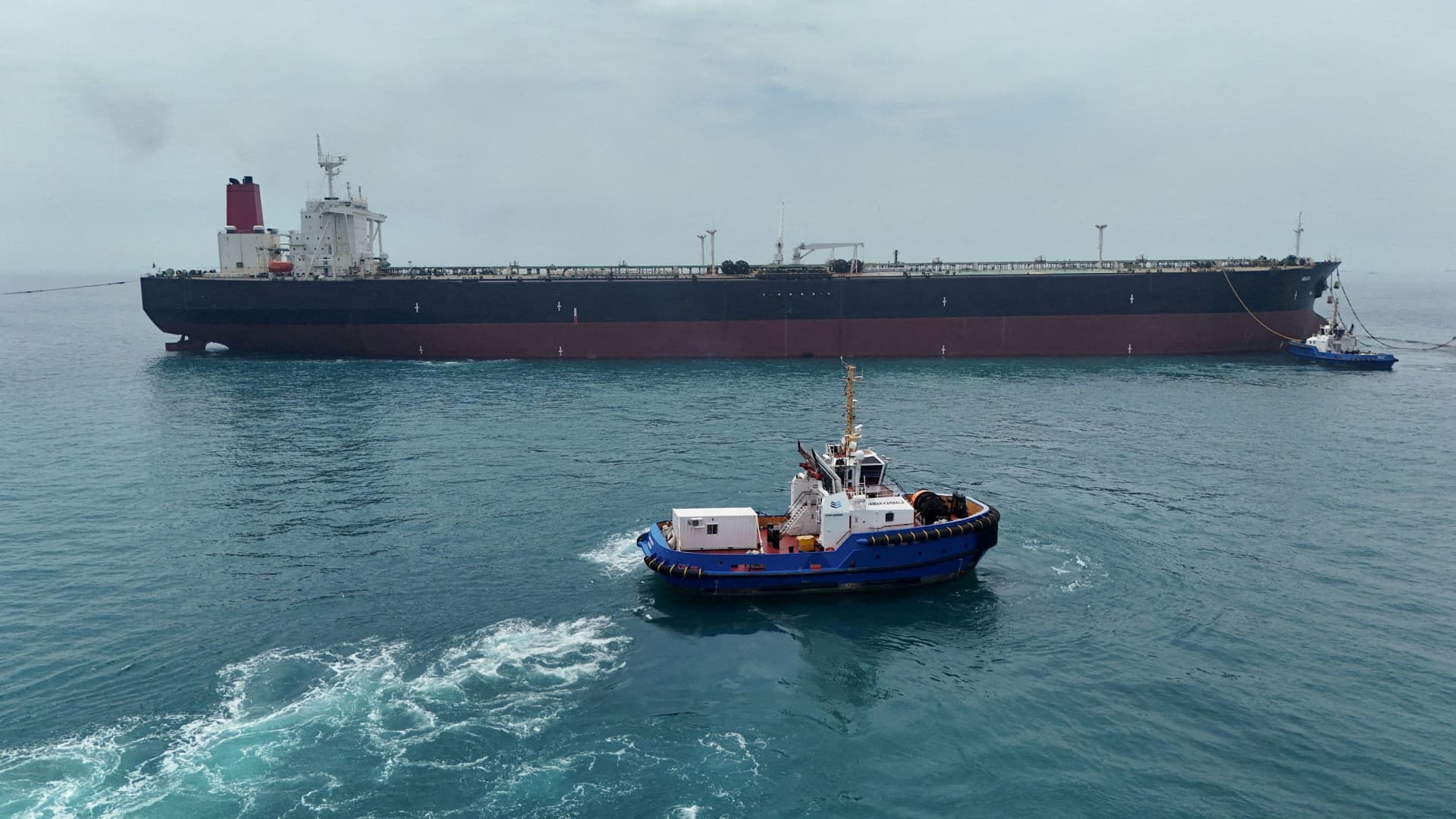
Oil prices surged following President Donald Trump’s call for Iranian reparations, with Tehran refusing to reopen the strategic waterway until its conditions are met.
An analysis published on 11 August 2026 suggests that the actions of Taiwanese politicians are rendering the island increasingly difficult to govern, with China emerging as the only winner of the resulting instability.
The publication describes the city as ‘ruined’ in a report published on 11 August 2026
The publication’s 11 August 2026 episode highlights geopolitical analysis alongside cultural trends, coinciding with broader coverage on artificial intelligence and conflict in Sudan.

The endorsement follows a period where artificial intelligence infrastructure was bankrolled by unprecedented equity and debt issuances from major technology firms.
The London-based publication’s latest issue features a handpicked article titled “How to end Sudan’s forgotten war,” distributed to subscribers as an audio reading.
Tom Sasse reports on the limited opportunities remaining for the small number of students permitted to study under current restrictions.

The Fair Work Commission has approved a minimum hourly rate of $31.30 for on-demand delivery workers, with personal accident insurance requirements and scheduled rate increases from 2027.
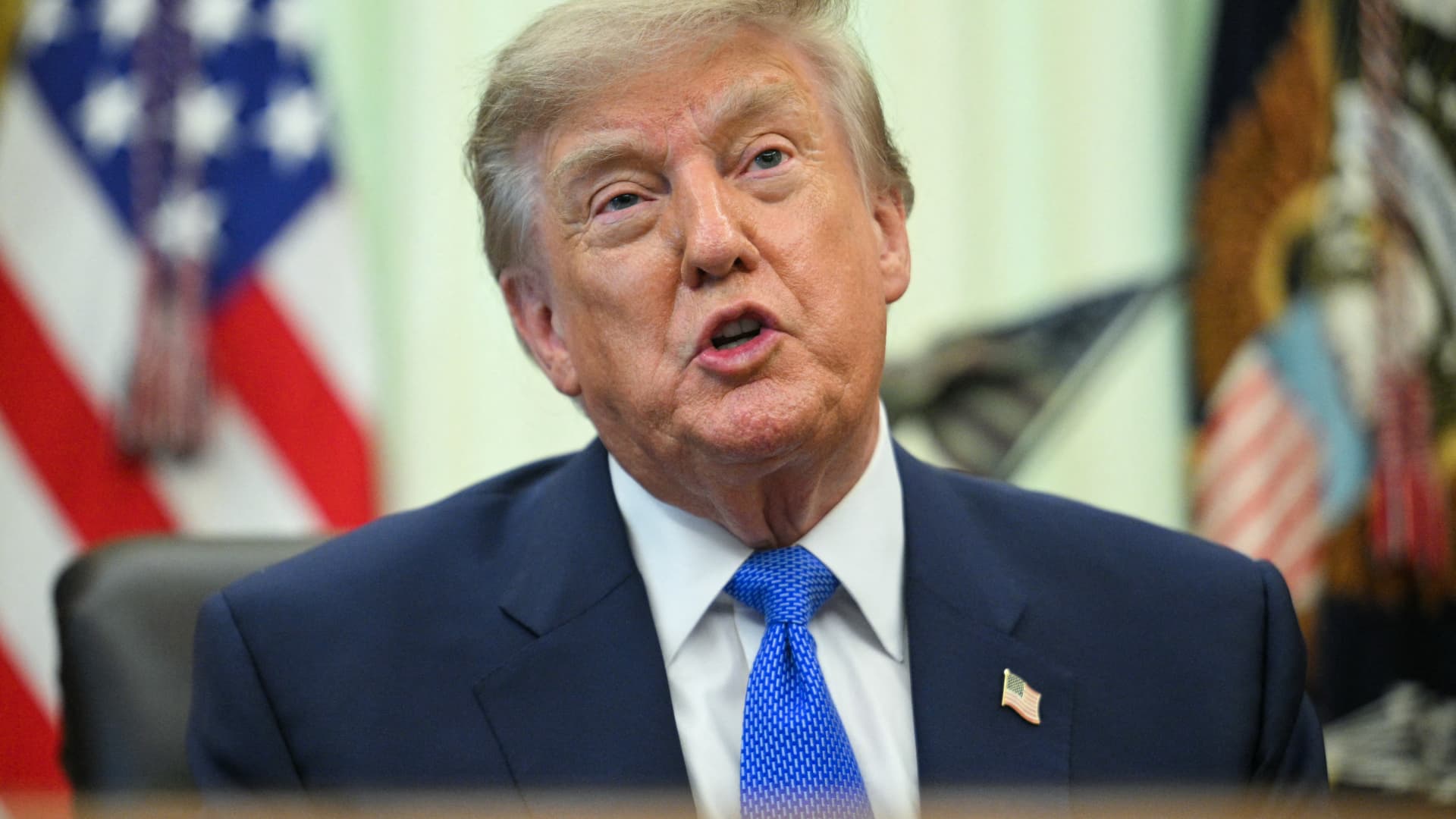
US President claims total authority over the strategic waterway and seeks compensation following the downing of an Apache helicopter, marking a significant divergence from diplomatic overtures.
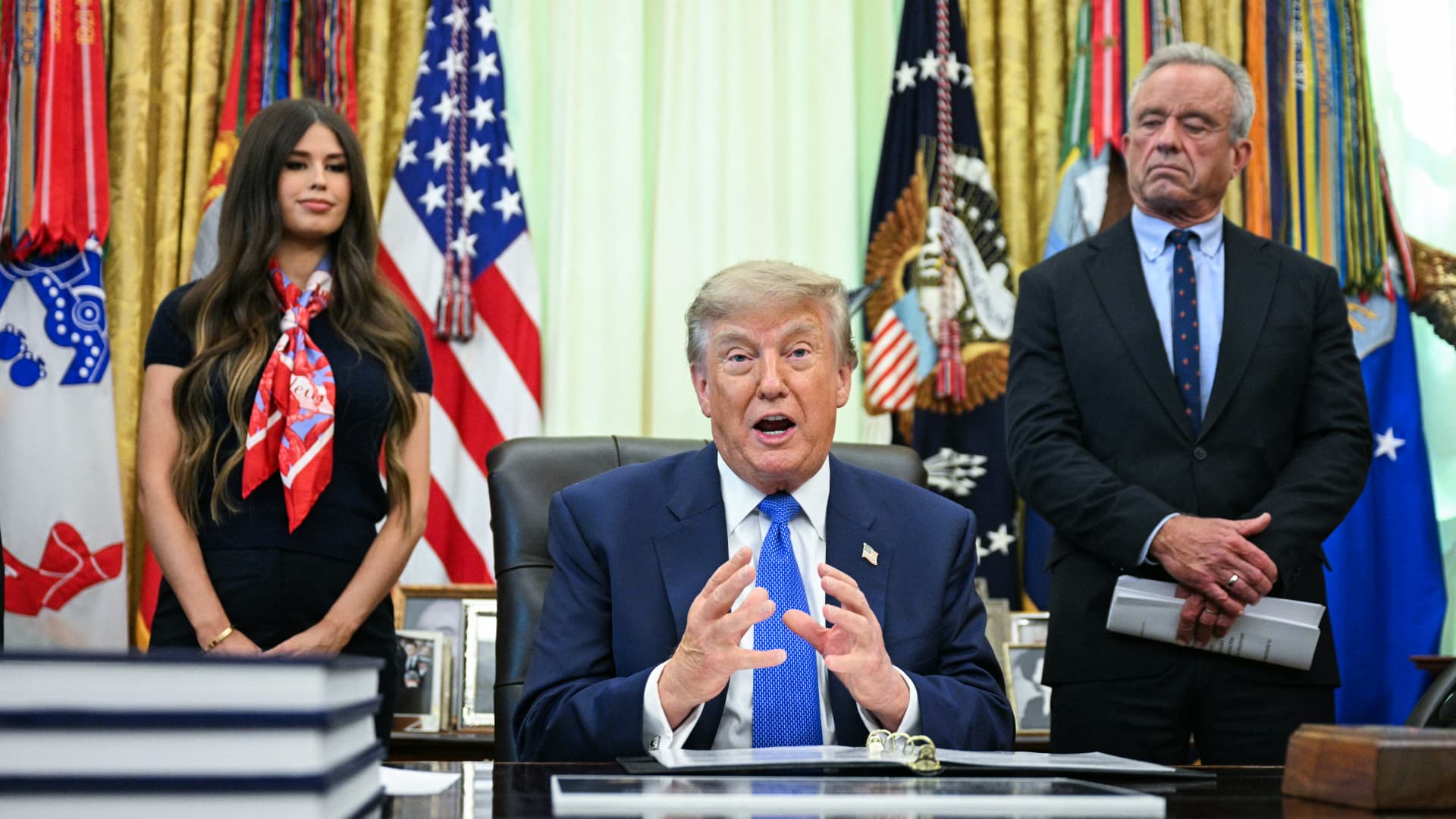
The US President’s directive builds on ongoing administration attempts to alter the childhood vaccination timetable, despite the order’s baseless claims regarding autism.
A significant realignment in Florida’s electoral landscape has transformed the state from a competitive battleground into a solidly MAGA-aligned region, according to new editorial analysis.
The Economist reports on emerging claims from startups that go beyond standard medical screening, though the assertions have not convinced all observers.

The $500 billion initiative underscores the growing reliance on institutional investors to finance the expanding costs of artificial intelligence infrastructure.
A new newsletter from The Economist explores the structural and cultural barriers preventing former Israeli defence leaders from achieving sustained political careers.
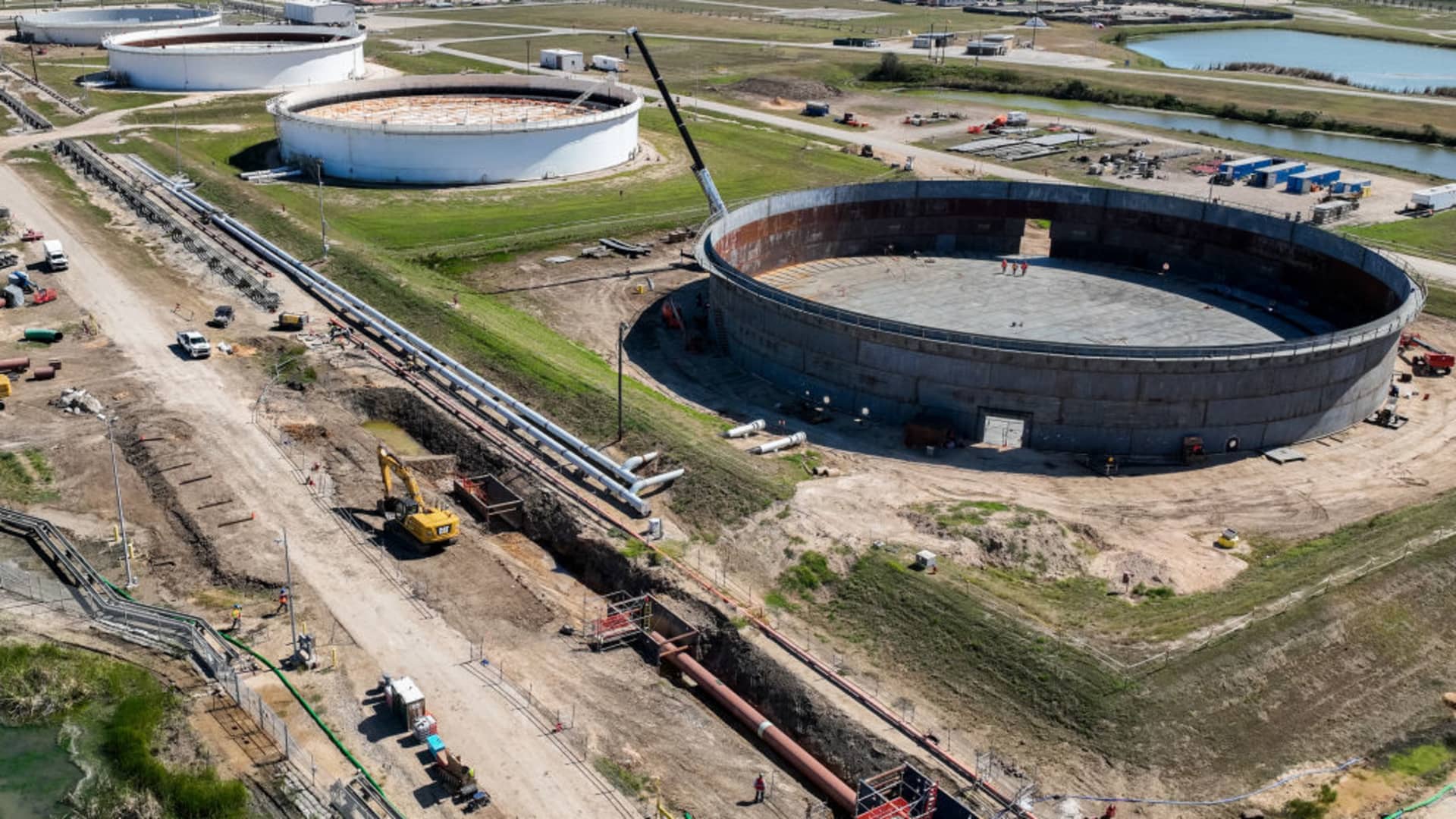
The volume of oil in the U.S. Strategic Petroleum Reserve has fallen below 300 million barrels, marking the lowest level recorded since 1983, according to data reported by CNBC.
Greater freedom to innovate has fuelled a surge in British cheese production, surpassing traditional benchmarks set by France, though future challenges loom.
The $15 billion equity raise is intended to support infrastructure buildout, aligning with a wider industry trend where technology giants have invested trillions to meet surging demand for artificial intelligence capabilities.

Meta’s latest move to open-source its most powerful AI model aims to assert American dominance in the sector while drawing criticism of rivals OpenAI and Anthropic.
The publication’s latest audio analysis focuses on the strains facing UK institutions, alongside segments on religious practices and social dynamics.
The Taiwan Semiconductor Manufacturing Company’s reported figures serve as a key indicator for the broader tech sector, with major clients including Nvidia and Google driving the increase.
A 10 August 2026 analysis suggests artificial intelligence could undermine the Chinese government, emerging amidst broader geopolitical and market shifts.
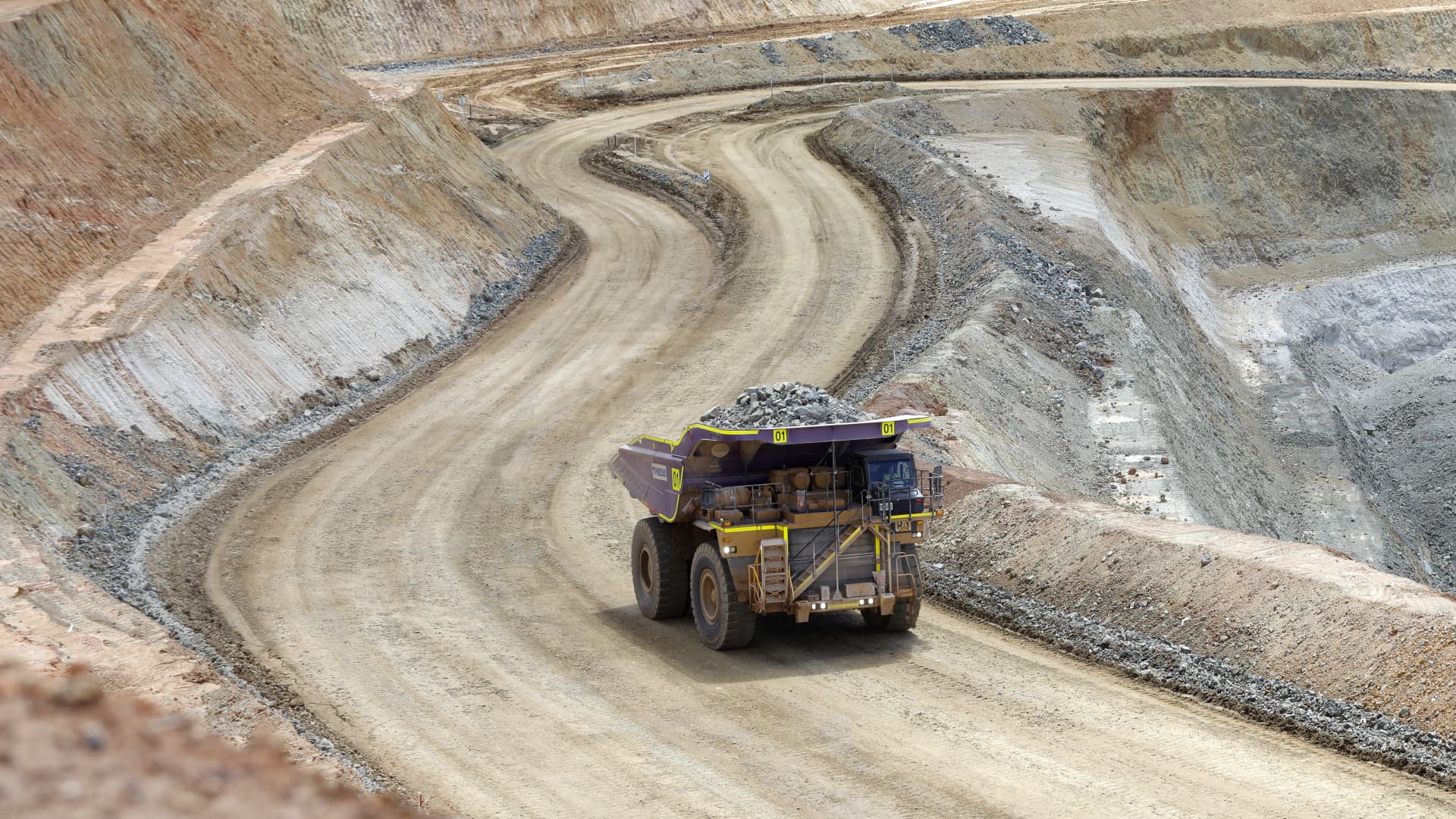
Shares of an Australian rare earth miner have surged following the announcement that the U.S. Department of War is backing the development of a scandium project, a move aimed at challenging China’s dominance in the sector.
Anantha Nageswaran and P.S. Srinivas contend that treating the yuan as a mere symptom of deeper economic distortions is an insufficient analysis that allows China to evade responsibility for its part in global financial imbalances.
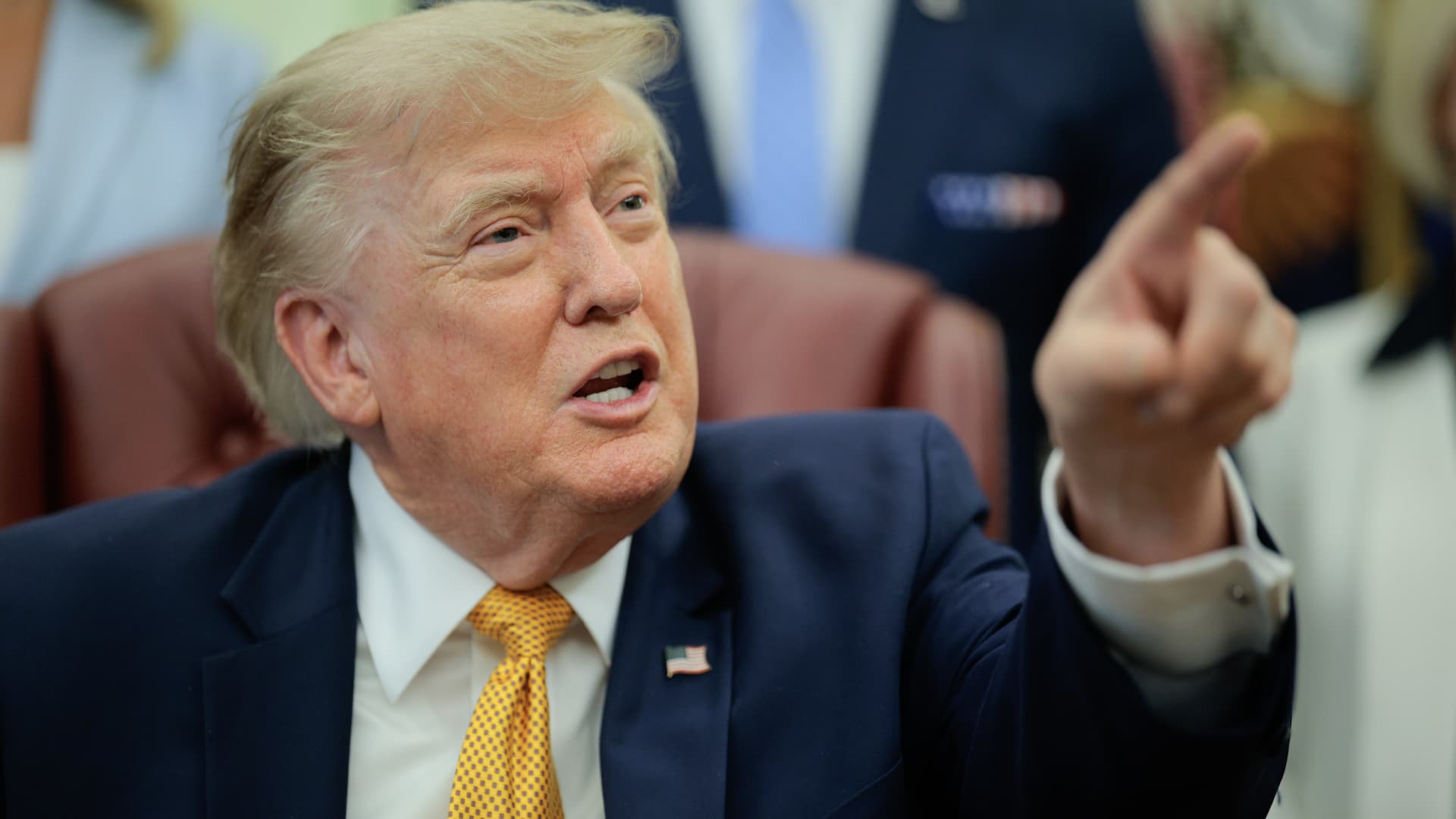
Donald Trump has publicly criticised Exxon Mobil and Chevron for making "too much money," citing a profit windfall that is driving political and environmental backlash.

Negotiations have stalled as the United States maintains its grip on the Strait of Hormuz, rejecting transit for 55 vessels in a move that highlights the widening gap between the parties involved.
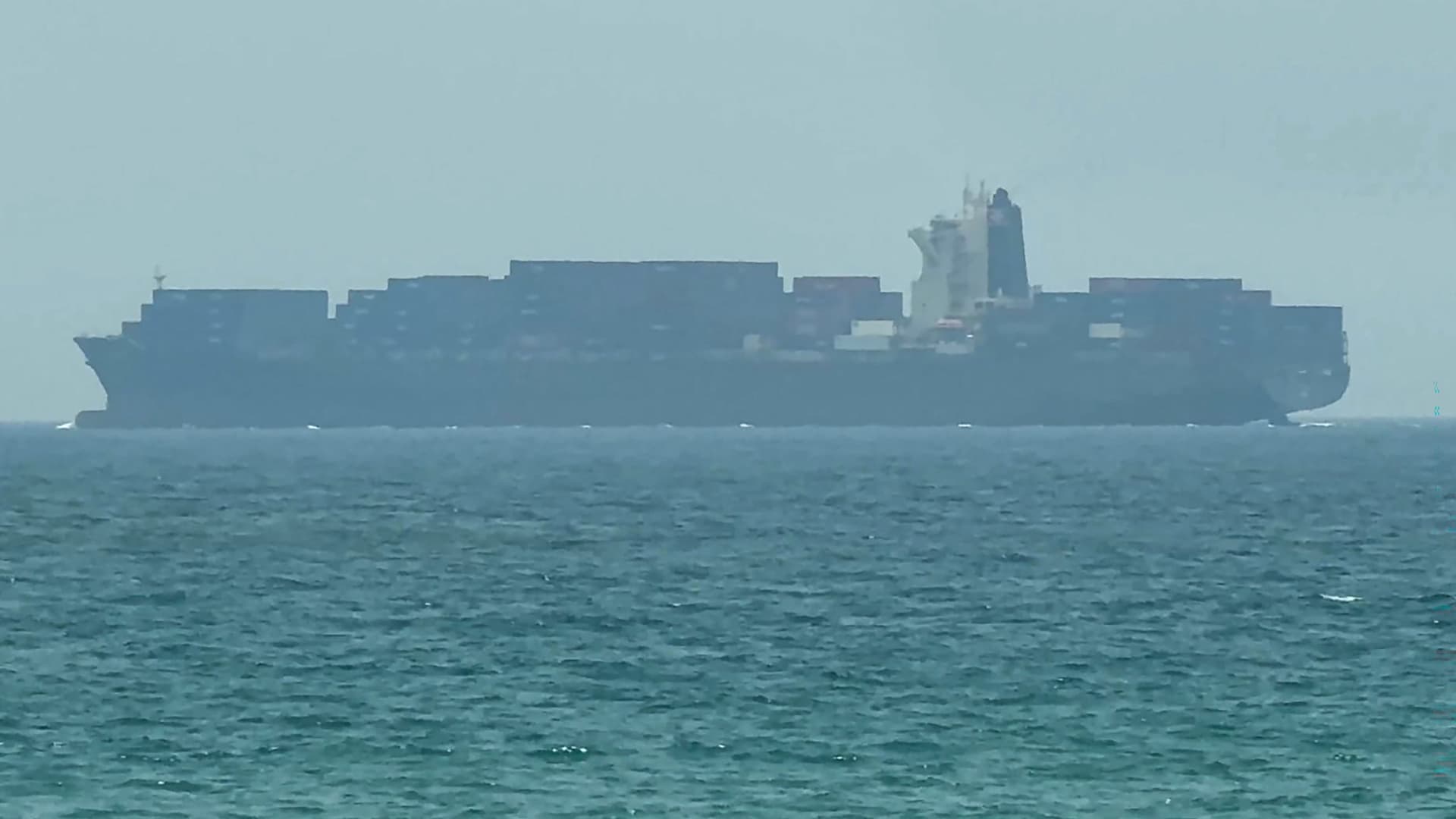
Traders push crude higher on 10 August 2026, citing uncertainty over an imminent agreement to reopen the strategic waterway.
European nations are urged to expand screening programmes and address social barriers to curb the spread of sexually transmitted infections.
The Chinese Communist Party has assumed control over global oil dynamics, effectively displacing the Organisation of the Petroleum Exporting Countries as the primary determinant of market influence, according to reporting from The Economist.
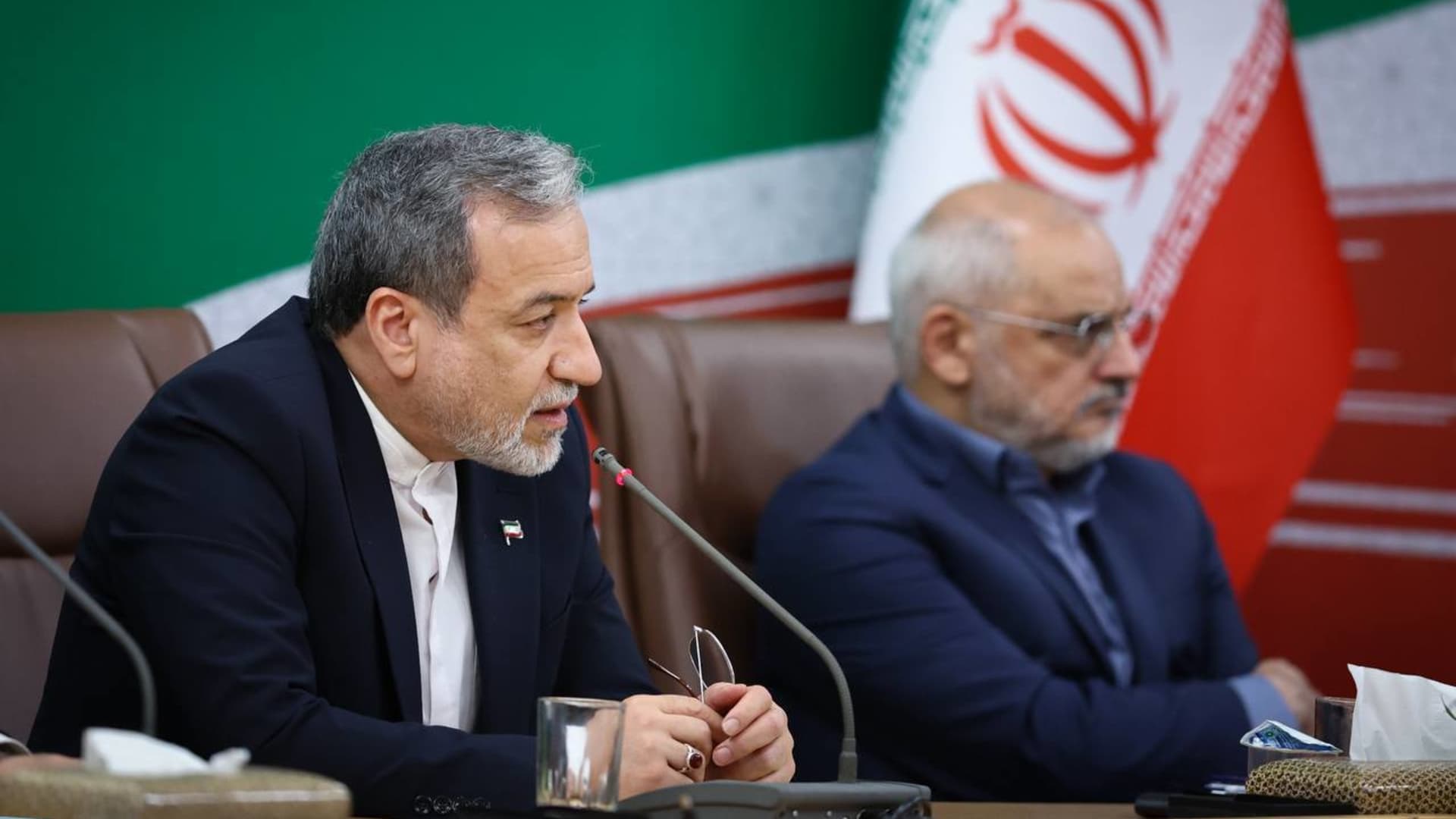
Amidst escalating regional tensions, Iran’s foreign minister ruled out direct negotiations with the United States regarding the Strait of Hormuz, citing indirect diplomatic channels. Simultaneously, the Houthis claimed responsibility for an attack on a Saudi Aramco facility.

The disclosure comes amid heightened geopolitical tensions and a summit between US and Chinese leaders in Beijing.
The Economist reports growing domestic criticism of the Canadian leader’s strategy as Donald Trump’s actions towards Ottawa are characterised as relentless.

The planned comeback appeals to users weary of current digital ecosystems, but market viability remains uncertain.