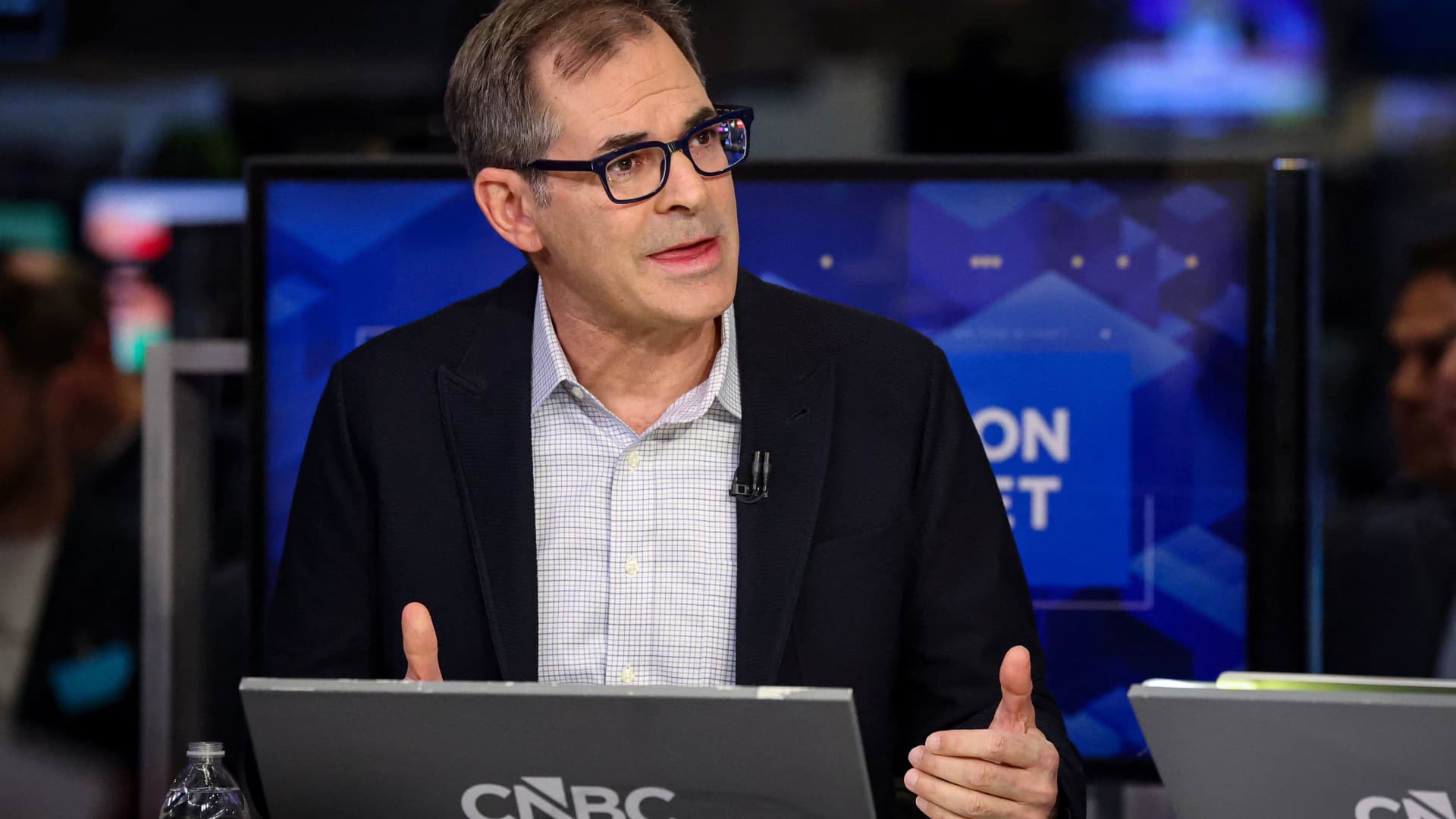
AI infrastructure boom relies on leveraged funding, raising market risk
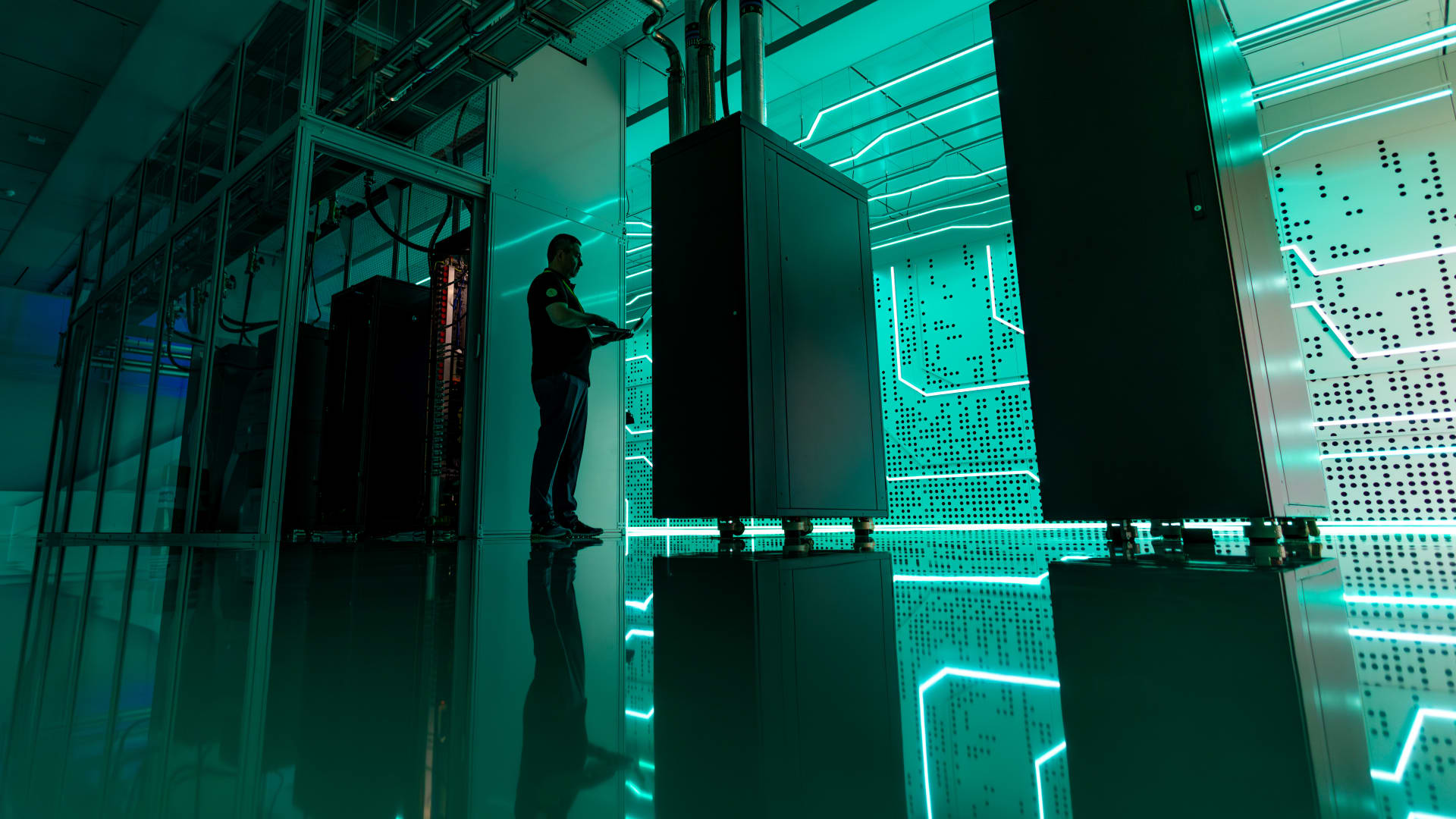
The artificial intelligence infrastructure sector is increasingly funded through leveraged mechanisms, introducing additional market risk and making the boom harder to track.
Markets, companies, capital, and the strategic shifts reshaping the global economy.

The artificial intelligence infrastructure sector is increasingly funded through leveraged mechanisms, introducing additional market risk and making the boom harder to track.
Reform UK leader Nigel Farage secured his return to Westminster, but the result underscores ongoing challenges for the party rather than signalling a decisive political shift.

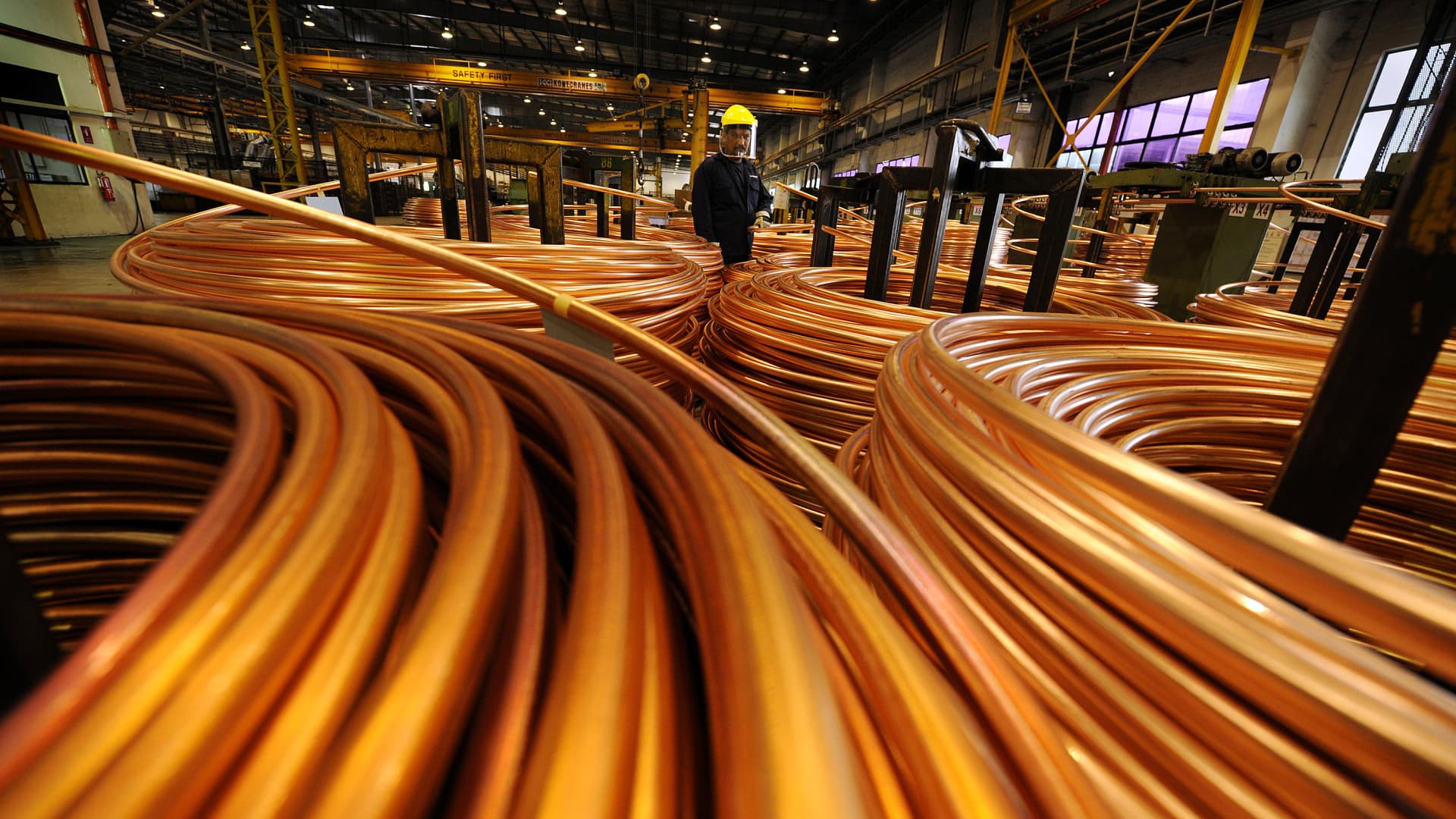
Investors are utilising a widening differential in copper prices between two metals exchanges as a real-time indicator of potential United States tariff actions under the Trump administration, according to reports.

Washington escalates pressure on Tehran while US Navy addresses operational issues with the USS Abraham Lincoln.

Major corporations including Apple and Ford are increasingly utilising Chinese technology, driven by expanding capabilities and scale despite persistent geopolitical headwinds.

The accounting firm appears before an inquiry into ethical conduct while police investigate the death of a man who allegedly barricaded himself in a residence and started a fire.

President Donald Trump hailed the decision as a significant victory on Truth Social, marking a key win in his broader strategy to bolster domestic industry and tariff revenue.

Anthropic’s chief financial officer is engaging with potential investors ahead of a possible initial public offering, according to reports from CNBC.
New episode explores how capital is reshaping the business of getting pregnant, focusing on market forces rather than clinical innovation.

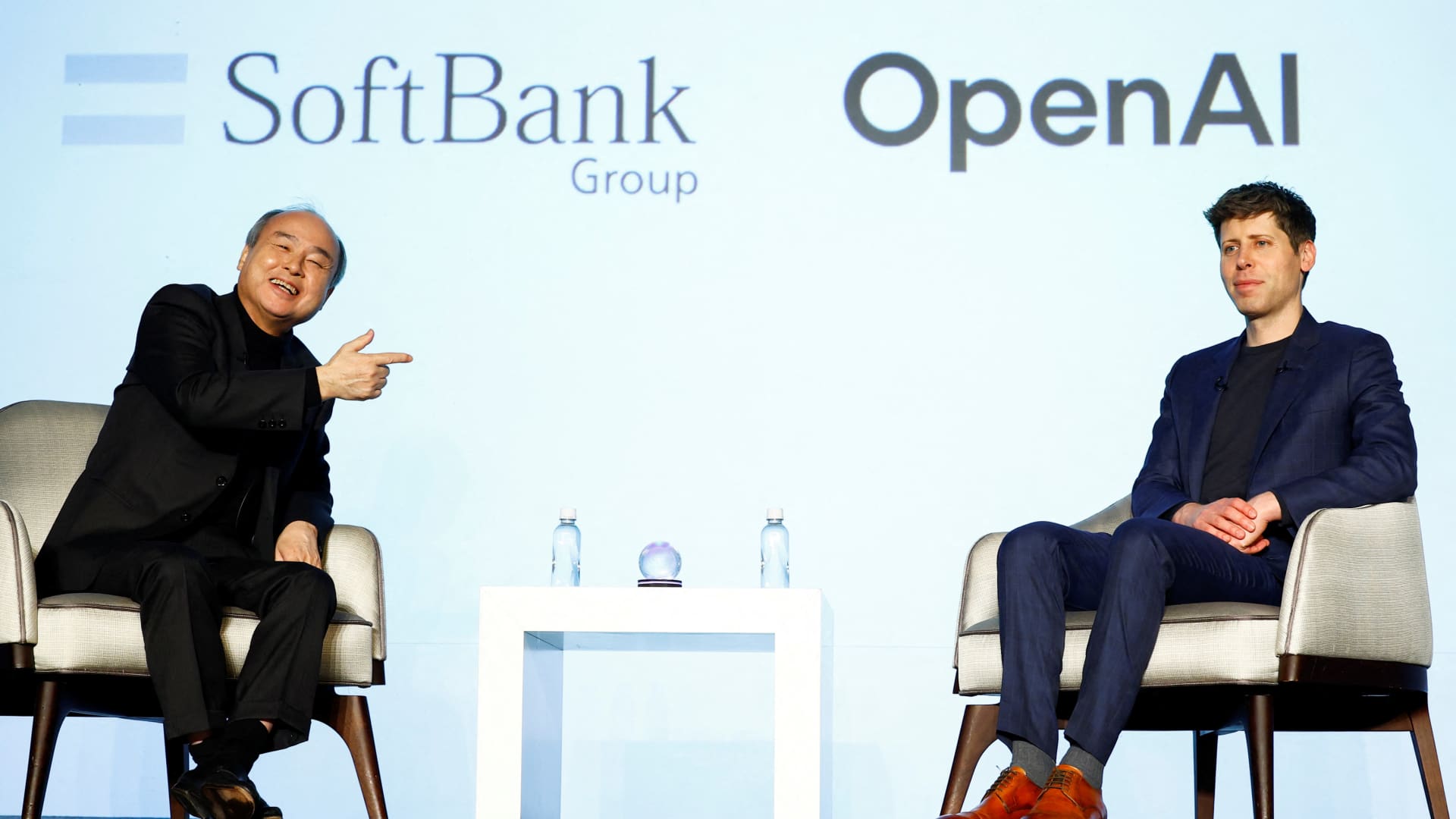
Steve Eisman warns that the artificial intelligence sector faces a potential Achilles' heel, with industry fortunes increasingly tied to just two firms.

Annual spending growth halves to $1.5bn, new account applications fall 35%, and at least eight platforms have left the market since 2022 as the industry pivots to subscription fees and merchant expansion.
Sarah Little argues that while the Taliban’s treatment of women is severe, it represents the furthest point on a worldwide continuum of gender-based restrictions.
A recent piece from The Economist examines if Polanski’s background positions him as a “perfect tribune of the age” capable of matching the electoral achievements of Zohran Mamdani.

The announcement comes as oil prices rise on supply disruption fears and an worsening spill near Oman complicates regional stability.

New data from CNBC reveals the US producer price index remained unchanged in July, underscoring a pause in wholesale inflation pressures as investors digest recent consumer price trends.
Despite describing the Afghan leadership as vile, The Economist contends that democratic nations must accept the Taliban’s enduring hold on power and engage directly.
The Economist’s latest episode, published on 13 August 2026, focuses on the state of democracy in Caracas while featuring segments on the Wagner Group and US food habits.
A new perspective from The Economist argues that China’s status as a major importer has superseded traditional OPEC influence, coinciding with rising volatility in global energy markets.
A move described as unwinding a dangerous trade, though specific scale and market impact remain undefined in current reporting.

The investment underscores the scale of capital expenditure required to support high-bandwidth memory production amid surging demand from the artificial intelligence sector.

Stronger-than-expected quarterly results and an upgraded annual forecast drive significant gains for the logistics leader, even as regional conflicts continue to impact global trade routes.

An unnamed Chinese firm has led the NAND memory segment in shipments, overtaking global peers Micron and Kioxia as artificial intelligence fuels growth across memory sectors.

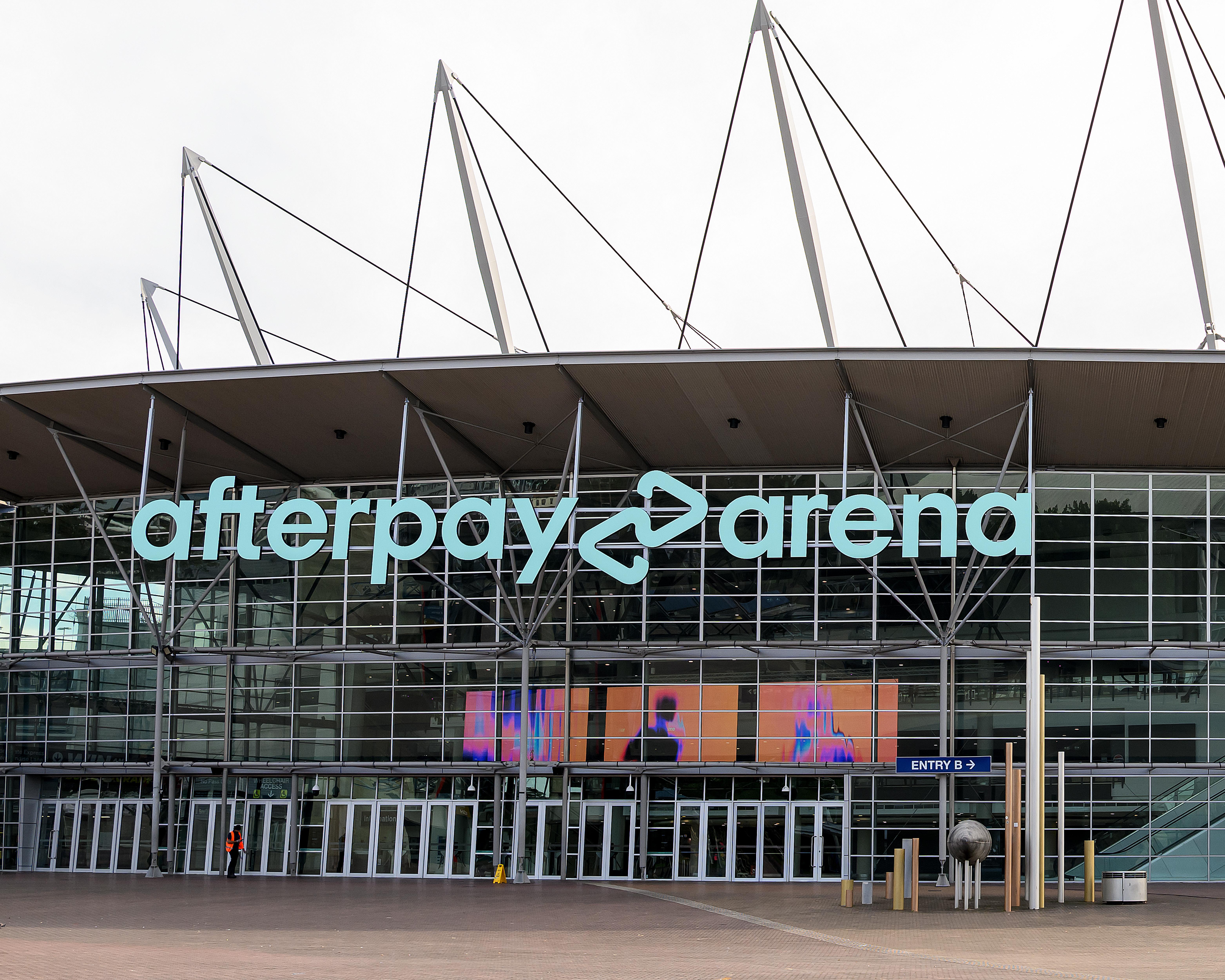
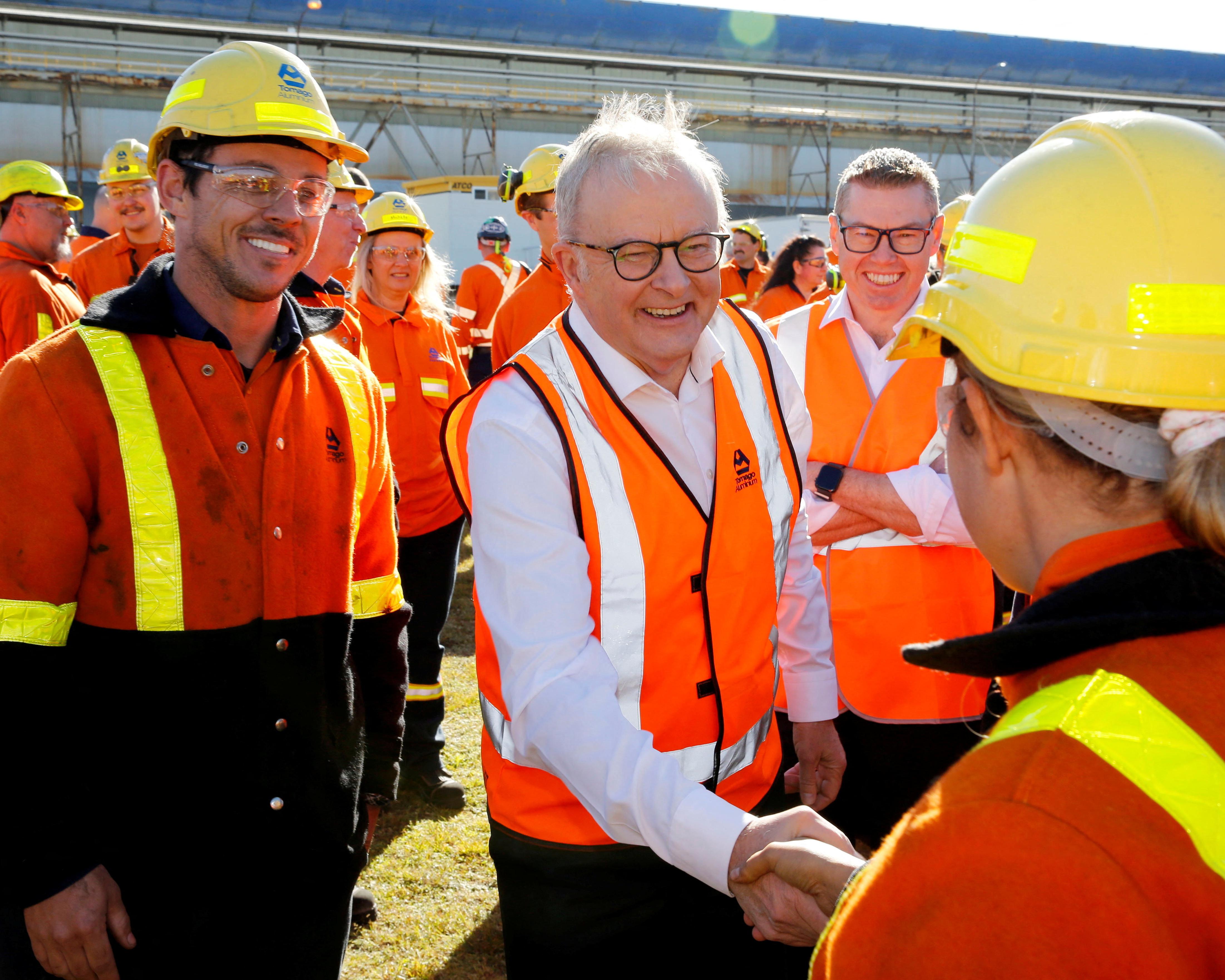
The agreement, announced by Prime Minister Anthony Albanese and NSW Premier Chris Minns, provides a 10-year below-market power guarantee from December 2028, aiming to cut emissions by 7.1 million tonnes annually.

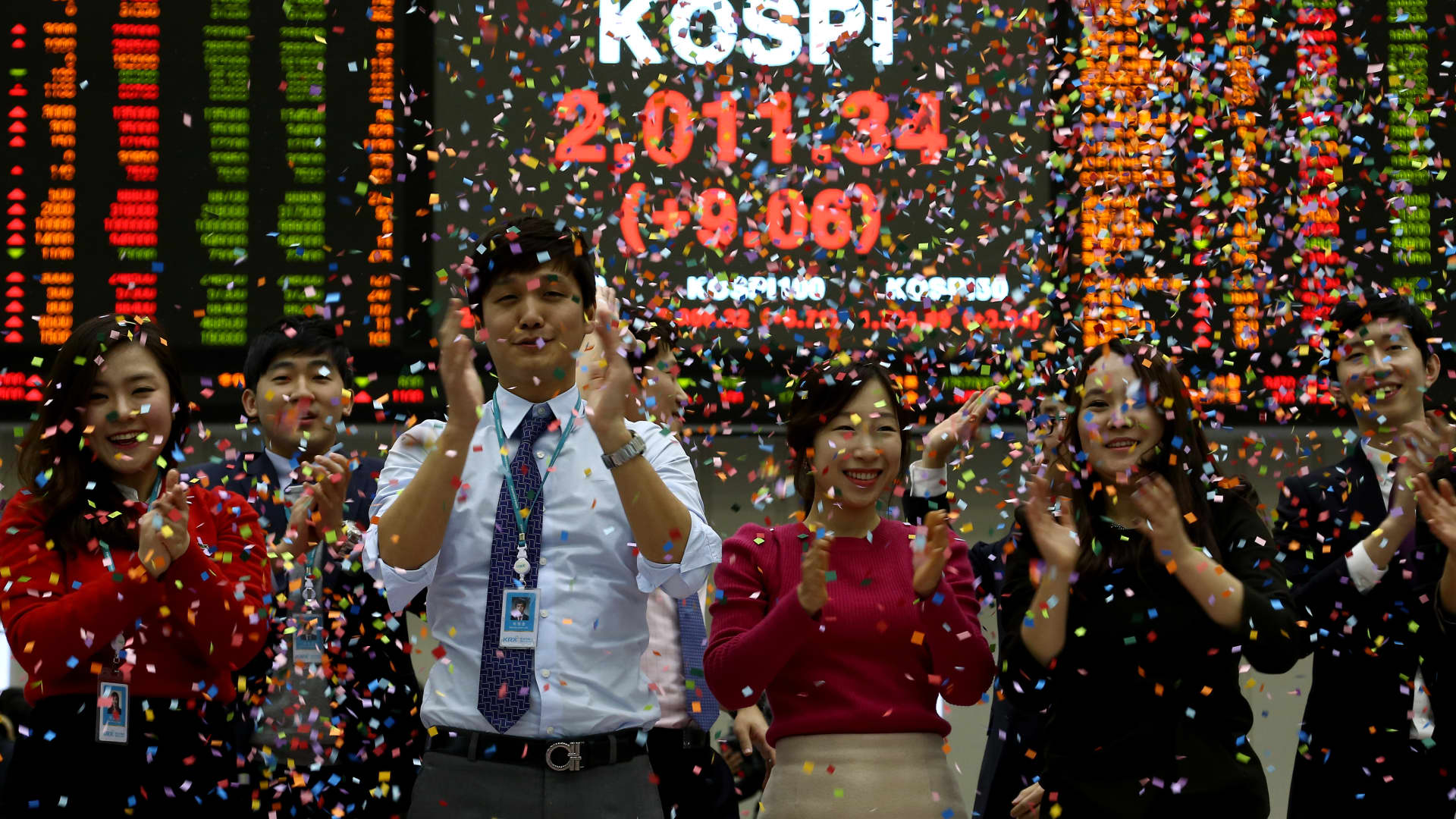
The benchmark index has crossed the technical threshold for a bull market, driven by a renewed surge in the artificial intelligence trade and strong demand for chipmakers.

Shipping volumes fall to lowest levels in months as geopolitical tensions persist following the 2026 conflict between the United States, Israel and Iran.

Investors weigh the impact of geopolitical instability and worsening environmental damage on global energy logistics.

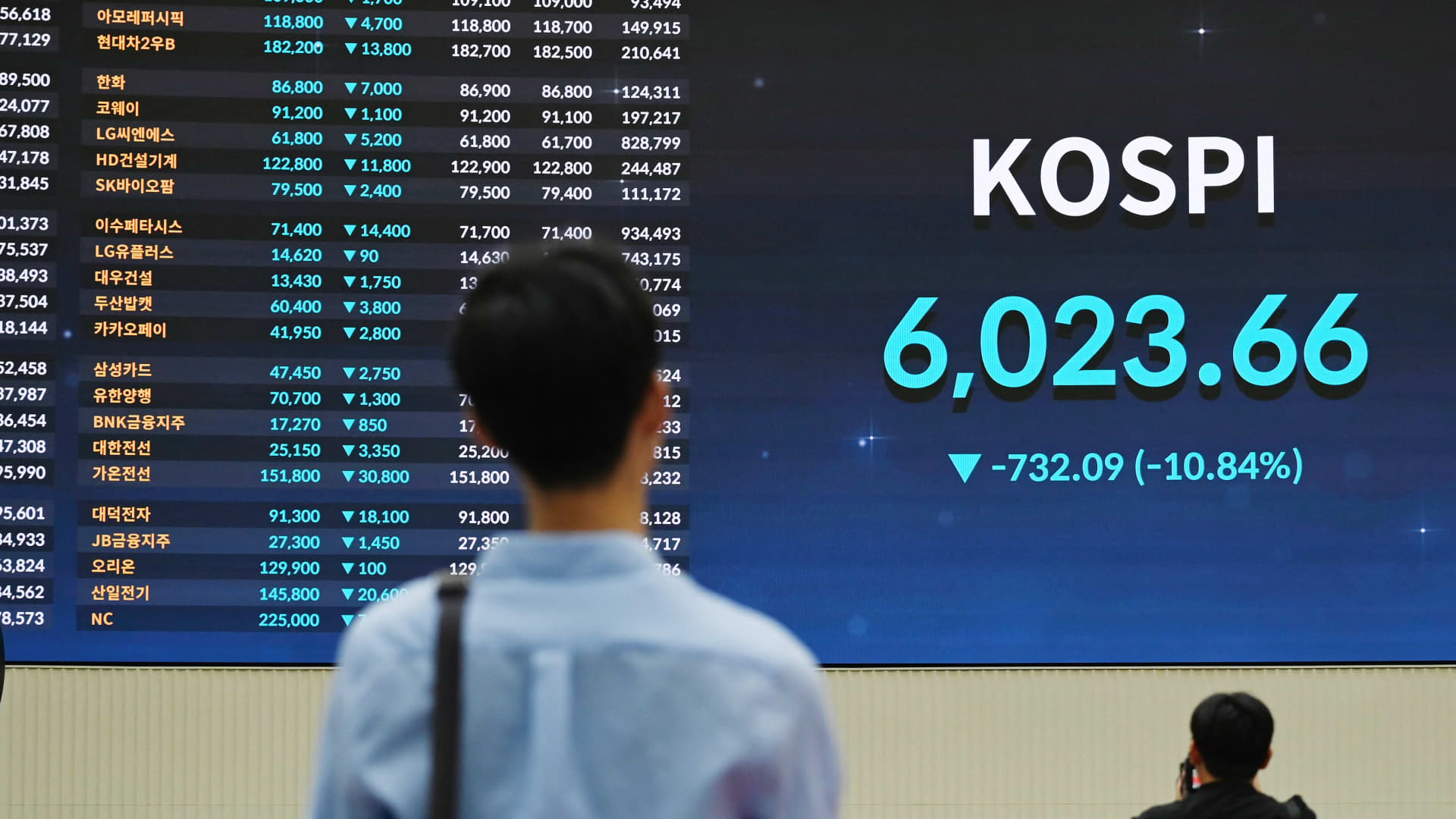
The Kospi has climbed into bullish territory, driven by a resurgence in investor appetite for artificial intelligence-related equities.

The company reported better-than-expected second-quarter revenue and upgraded its full-year outlook, yet the market reaction was sharply negative.

The Albanese government has secured a crossbench agreement with the Coalition to compel technology giants to negotiate with publishers, raising the minimum deal count to eight and directing funds to the Australian Associated Press.
The outcome marks a significant moment for the internal balance of power within the US Democratic party, according to reporting by The Economist.

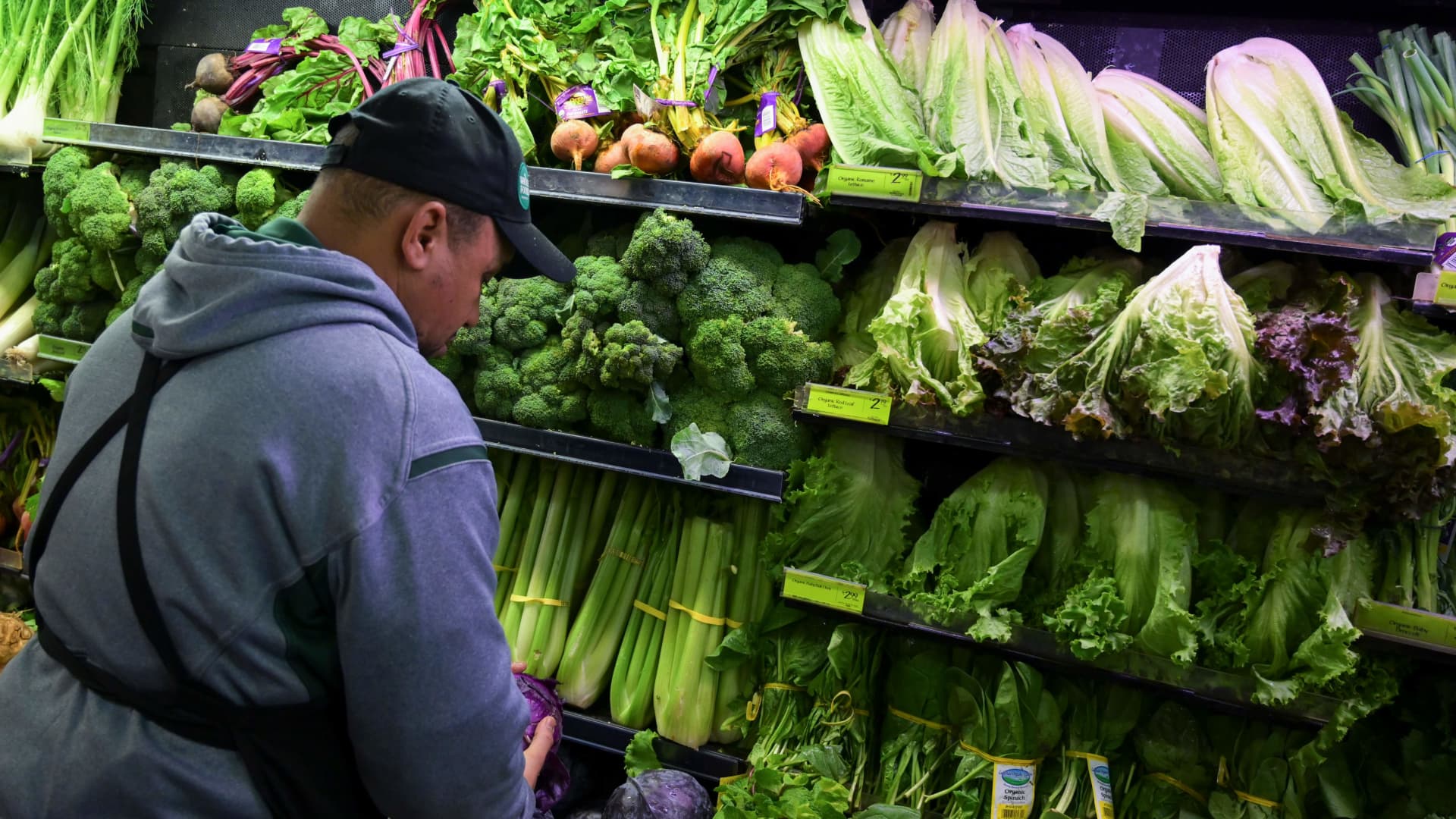
CNBC reports that lettuce prices have recorded their steepest month-on-month fall on record, as public health concerns surrounding a cyclospora outbreak force diners to reconsider the staple ingredient.
A report by The Economist outlines the structural and political challenges confronting Kevin Warsh as he attempts to steer US monetary policy away from the legacy of his predecessor.
The latest episode of The Economist’s science and technology podcast examines whether autonomous vehicles can mimic human cognition, featuring an in-depth discussion with the chief executive of Wayve.

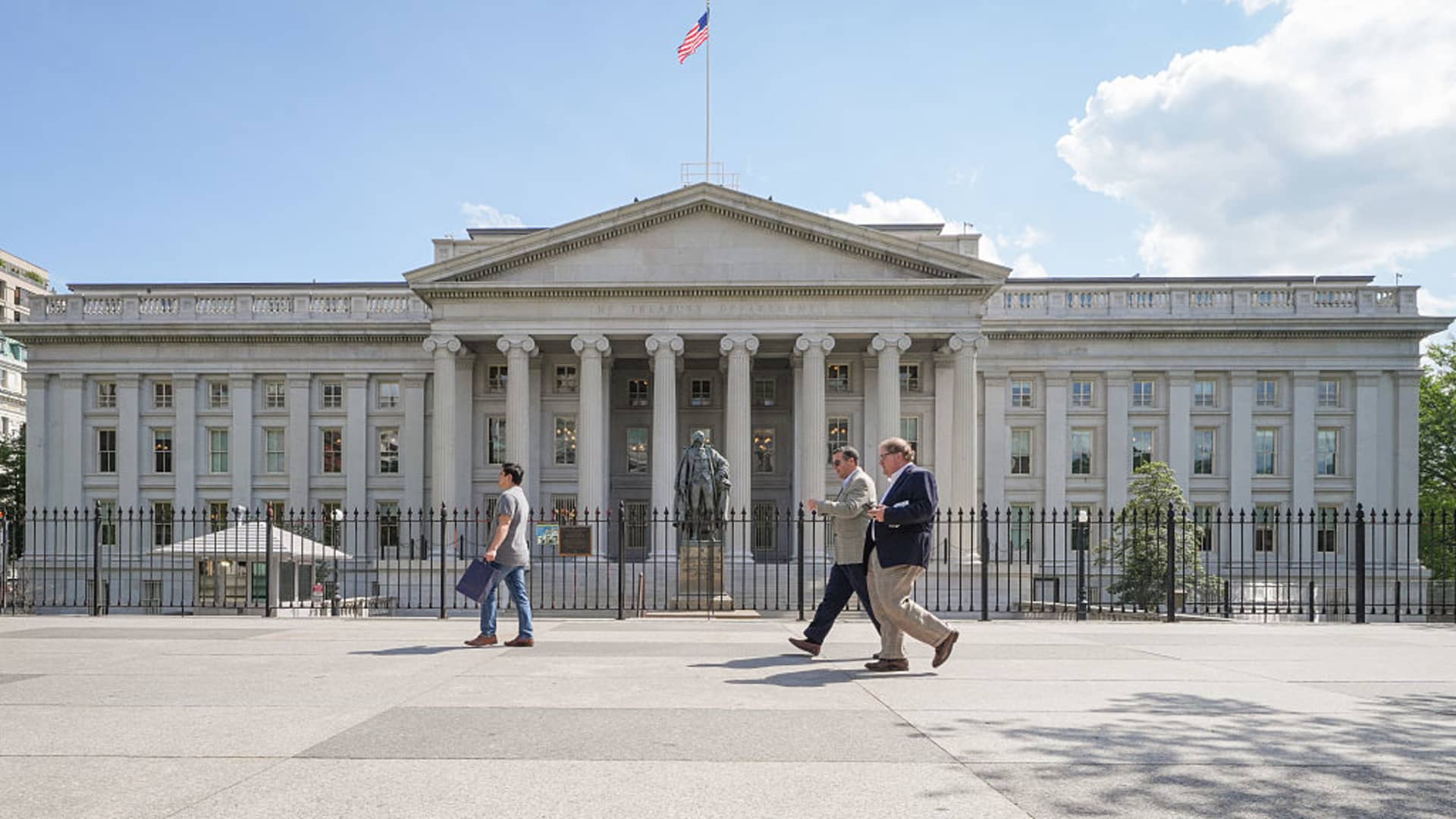
New data from CNBC reveals the US government’s borrowing has accelerated sharply, with the cumulative deficit for the first ten months of the fiscal year exceeding the equivalent period in the previous year.
A freshly released study contests the prevailing narrative that scientific breakthroughs are becoming less impactful, countering concerns over a potential stagnation in disruptive innovation.
A review published on 12 August 2026 highlights how the transatlantic telegraph cable helped usher in the information age, according to a new book.
The Economist reports that India’s ruling party is advocating for a uniform civil code, arguing that all citizens should adhere to the same legal frameworks as Hindus.

The transaction marks a significant appreciation for Mark Walter, who purchased controlling interest from the Buss family just 14 months prior for $10 billion.

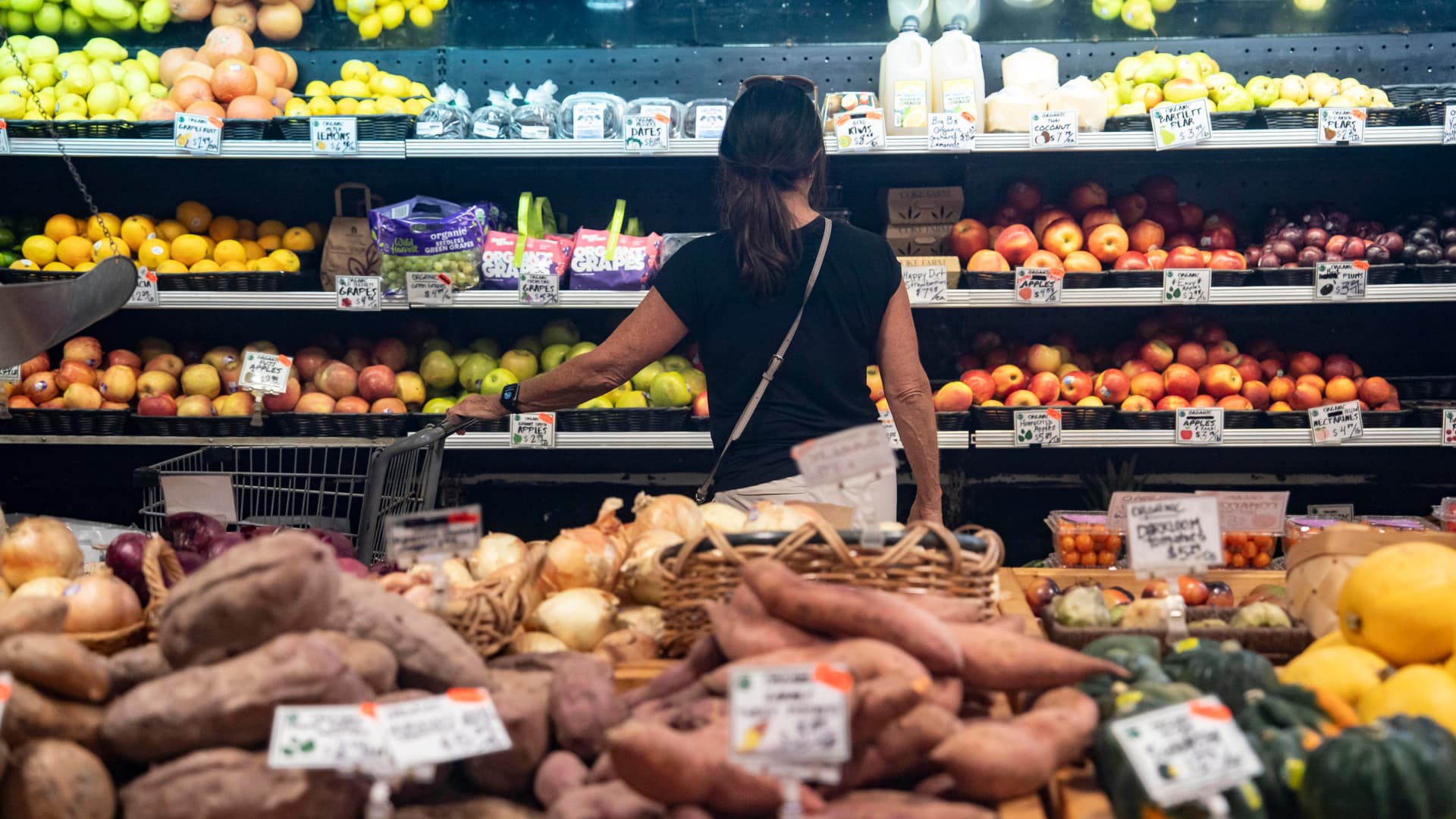
New data from July 2026 suggests inflation is moderating, though consumers continue to face high costs, according to reports from CNBC.
The Economist reports that a prohibition on the ancient Hebridean hunt for gannet chicks has revealed a significant fracture within the Scottish nationalist movement.

The US Consumer Price Index increased by 0.1 per cent in July, matching economist predictions, while the annual inflation rate remained at 3.4 per cent, according to figures released by CNBC.

After a prolonged period of increasing costs, mortgage rates have decreased marginally, providing a minor boost to a struggling market and encouraging borrowers to re-engage.
Infrastructure collapse and over 70 aftershocks hamper rescue efforts in western Colombia, with international aid pledged by the United States, Spain and Ecuador.

While technology executives project long-term efficiency gains, immediate capital expenditure and slow uptake are generating inflationary pressures that challenge the central bank’s objectives.

Shares in CoreWeave surged in premarket trading after the company announced its second-quarter revenue doubled, driven by increased demand from hyperscalers.
New analysis published on 12 August 2026 addresses the ongoing necessity of animal testing in scientific inquiry.
The Economist’s latest episode questions whether Beijing is assuming the cartel-like influence traditionally held by OPEC, while also covering hate speech debates in Brazil and the economic significance of beer.

The US dollar gained ground against the yen and Australian dollar on Monday, buoyed by rising oil prices and anticipation of Wednesday’s consumer price index report.