Zimbabwe’s malaria crisis deepens as US aid withdrawal exposes governance vulnerabilities
With cases more than doubling in early 2026, experts warn that the abrupt cessation of USAID funding has critically weakened the institutional capacity required to meet the 2030 elimination target.
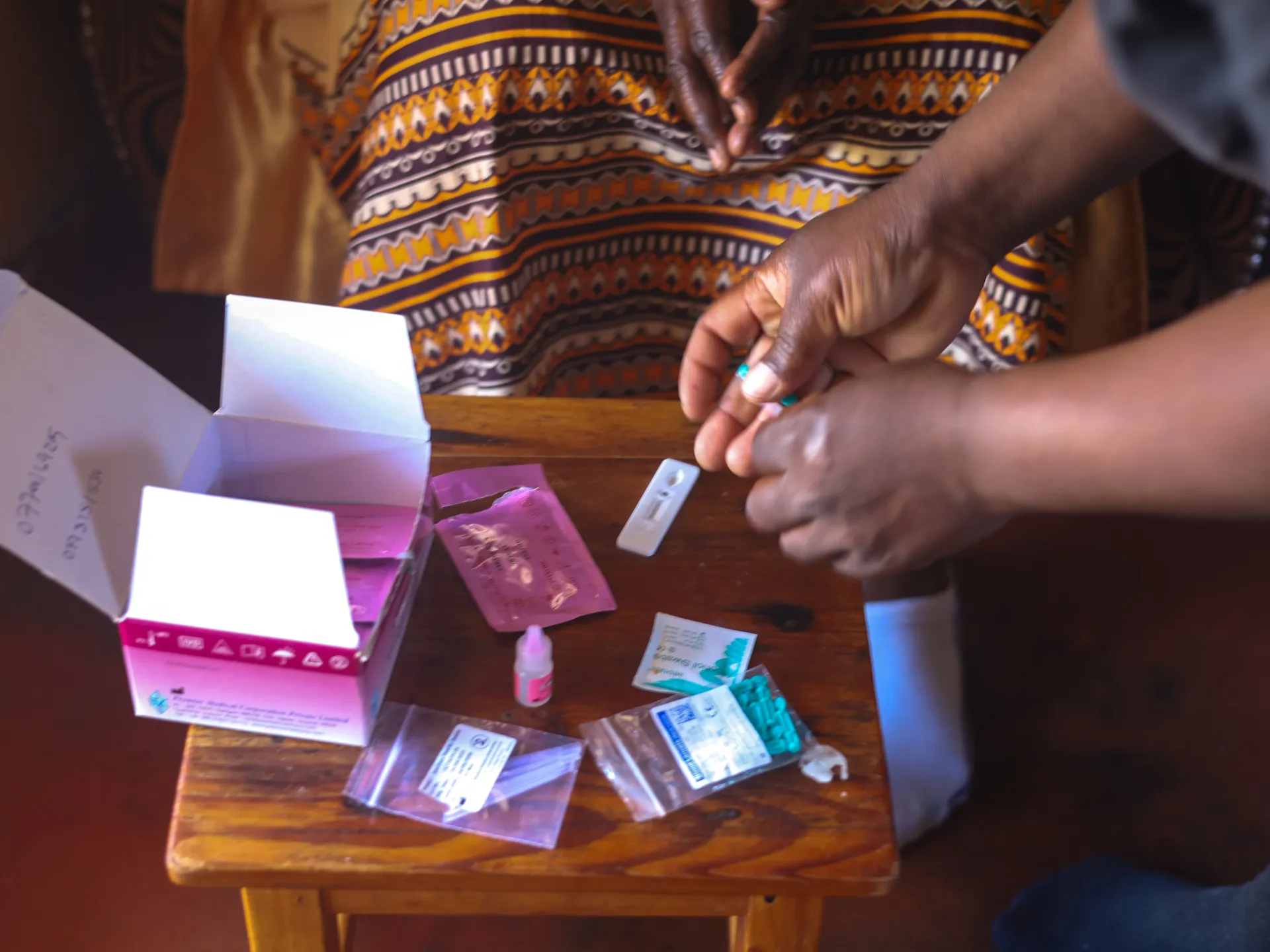
Zimbabwe is grappling with a severe deterioration in public health metrics, recording 65,399 malaria cases between January and April 2026, a sharp increase from 36,000 during the same period in 2025. The surge, which has resulted in 174 deaths compared to 85 in the previous year, has drawn attention to the fragility of the country’s health infrastructure following the withdrawal of key international support. Health officials attribute the outbreak to a combination of climatic factors and the disruption of critical control programmes that were previously subsidised by the United States Agency for International Development (USAID).
The funding landscape shifted dramatically after the return of the Trump administration to office in 2025, leading to significant cuts in foreign aid. In 2024, USAID had disbursed $270 million for health and agriculture programmes in Zimbabwe. The subsequent withdrawal of funds disrupted major initiatives, including the Zimbabwe Assistance Programme in Malaria II (ZAPIM II) and the Zimbabwe Entomological Support Programme in Malaria (ZENTO). ZAPIM II had previously operated across 11 districts in Central and East Mashonaland and Matabeleland North, while ZENTO, hosted by Africa University, provided essential entomological data to guide the National Malaria Control Programme.
Thomas Chuchu, the health programme lead at Save the Children Zimbabwe, noted that while elimination activities have continued under government and partner auspices, operational capacity has been significantly weakened. The disruption has hampered active case tracking, the targeted distribution of insecticidal nets, and district rapid-response systems. Professor Sungano Mharakurwa, director of Africa University’s Malaria Institute, stated that the abrupt exit of US support has left communities exposed, with alternative funding from the United Methodist Church falling far short of previous assistance levels.
Compounding the institutional gaps is the impact of climate change, specifically the heavy rainfall during the 2025–2026 rainy season. These conditions created ideal breeding environments for mosquitoes in endemic provinces such as Mashonaland Central, Manicaland, and Mashonaland West. The environmental surge has amplified the effects of weakened prevention systems, including reduced mosquito-net coverage and delayed vector-control activities. Itai Rusike, director of the Community Working Group on Health, warned that the country’s reliance on external donors has created systemic vulnerability, urging the government to strengthen domestic health financing to mitigate future risks.
In rural areas, the logistical consequences of these policy and environmental shifts are evident. Village health workers report critical shortages of diagnostic kits and treatment drugs, with supplies often restricted to specific hotspot communities and arriving late in the season. This has forced many patients to travel long distances for care, delaying treatment and increasing mortality risks. As Zimbabwe aims to eliminate malaria by 2030 in line with African Union targets, experts caution that without urgent intervention to fill funding gaps and restore supply chains, years of progress in reducing infection rates are at risk of being lost.