Zimbabwe’s e-tricycle crackdown exposes regulatory gaps in rural transport policy
High registration fees and vehicle impoundments have slashed monthly profits for rural women, prompting calls for urgent legislative reform from the Ministry of Transport and Finance.
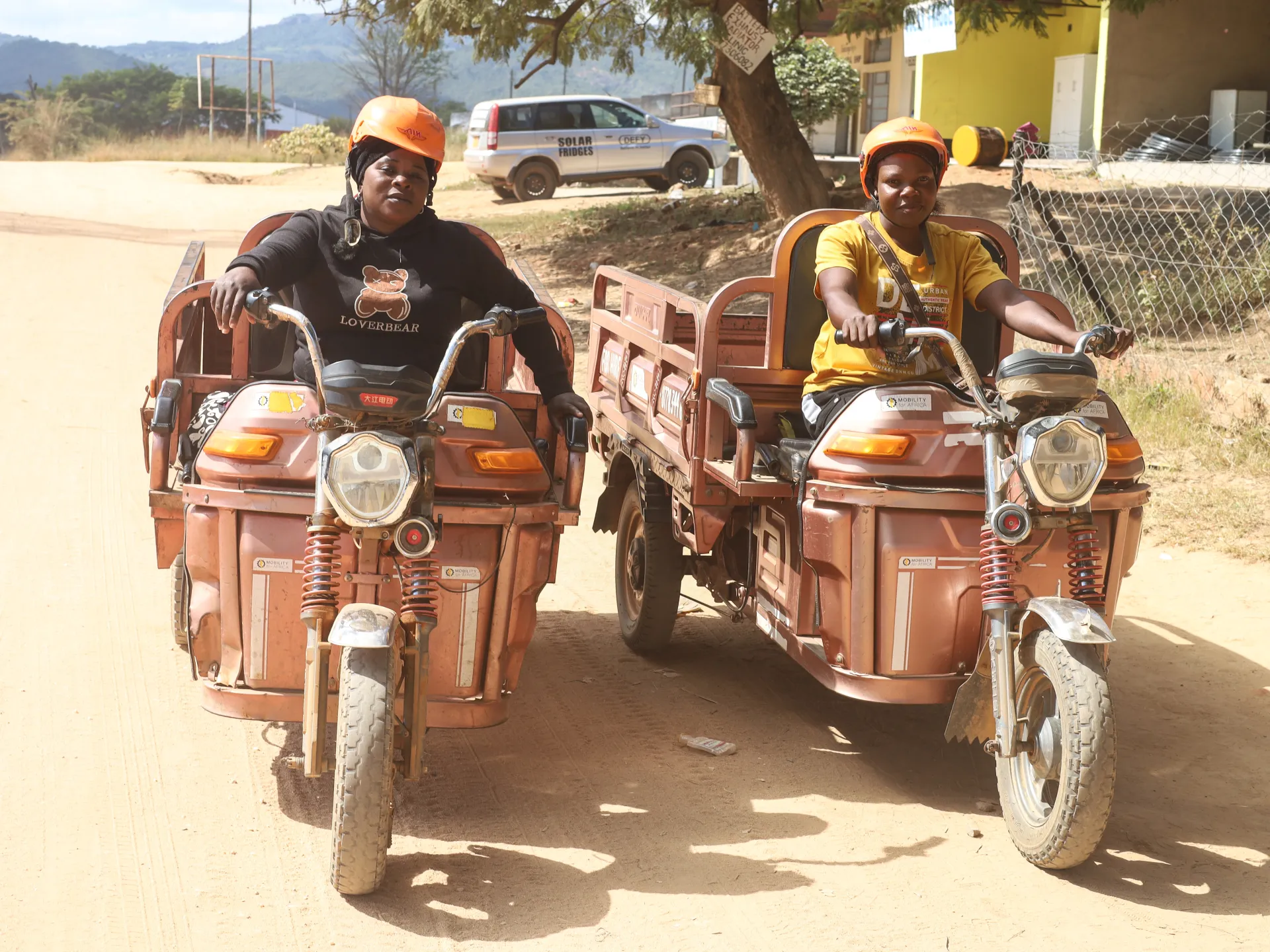
A police crackdown on electric tricycles in Zimbabwe’s Manicaland Province is severely disrupting the livelihoods of rural women who depend on the vehicles for income and essential community transport. Authorities are enforcing legacy traffic laws that classify slow-speed e-tricycles as motorcycles, imposing registration and licensing costs of nearly $500 per unit—a sum far beyond the reach of most operators.
The enforcement actions, which include on-the-spot fines and vehicle impoundments, have drastically reduced earnings for women in districts such as Hauna and Chipinge. Daires Mutamangira, an operator in Hauna, was fined $15 last month for lacking registration documents. She is one of 40 women who received Hamba-branded e-tricycles in May 2024 through a scheme supported by Mobility for Africa, a local startup aimed at empowering rural women economically.
The e-tricycles, powered by lithium batteries and capable of carrying up to 450kg at a maximum speed of 25km/h, serve as critical infrastructure in farming communities. They transport fresh produce to highways for distribution to Mutare and Harare, and often function as makeshift ambulances in areas with chronic shortages of official medical transport. However, since police began impounding vehicles in February 2025, operators report monthly profits have plummeted from approximately $250 to $70.
Mobility for Africa submitted registration papers to the Zimbabwe Revenue Authority and the Central Vehicle Registry in June 2025 but reported no progress. The startup has lobbied the Ministry of Finance and Ministry of Transport for fee reductions and regulatory changes between 2024 and 2025. In January 2025, Transport Ministry Secretary Joy Makumbe wrote to the startup stating that fee reductions were under consideration and requested a licence waiver for police regarding rural roads, yet enforcement continues.
Minister of State for Manicaland Province Misheck Mugadza stated he was unaware the issue persisted, having visited the site with Finance Minister Mthuli Ncube in 2025. Meanwhile, operators like Rejoice Mandipedza have accumulated significant debt for school fees and rent due to the shutdown. Shantha Bloemen, founder of Mobility for Africa, argued that current policies create barriers to entry for rural communities and require a review to support green transport and economic development.