Zimbabwean returnees face uncertain path to rebuilding livelihoods
Zimbabwe says more than 116,000 people have returned from South Africa, but many face joblessness and limited support as proposed reintegration measures take shape.
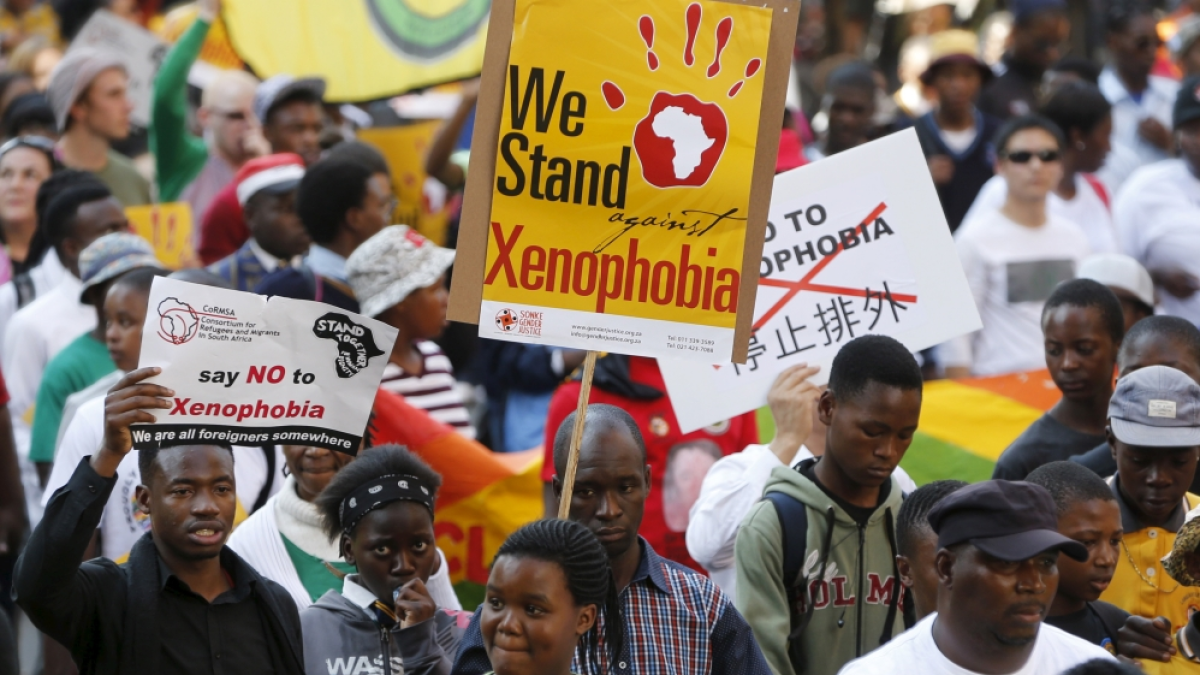
Thousands of Zimbabweans have returned from South Africa amid fears of anti-immigrant harassment and unrest. The 30 June departure deadline for undocumented migrants was set by activists, not the South African government, which warned against intimidation and violence.
Zimbabwe’s Information Minister, Zhemu Soda, said 116,670 people had returned by 28 July. He said 36,940 received government assistance and 79,730 returned independently; a further 38,057 had registered for employment.
For some, returning has meant renewed economic insecurity. Samantha Chimbuya, who left South Africa with her children, told Al Jazeera she had struggled to find work in Zimbabwe and relied on family and friends. She said she had hoped for a small-business grant but had not received one.
Authorities describe support measures in development. Local Government Minister Daniel Garwe said officials were screening returnees to identify their skills and needs, and that reintegration centres were being established. He said teacher recruitment, employment links, vocational training and business support were also being considered or encouraged.
Some returnees have used skills and savings to establish businesses. Sidney Bunya started a carpentry business after returning, and said it now supports his family and employs five people. Churches have also provided shelter, food, transport and skills training, though church representatives say demand exceeds available help.
The accounts point to a gap between returning home and securing a livelihood. Human rights activist Rashweat Mukundu called for longer-term assistance, including grants and agricultural support, while the scale and timing of government programmes remain unclear.