Zimbabwe Ferry Disaster Death Toll Rises to 69 Amid Overloading Probe
Police investigations confirm the vessel was carrying 153 passengers against a capacity of 90, with at least 18 children among the dead as recovery operations continue.
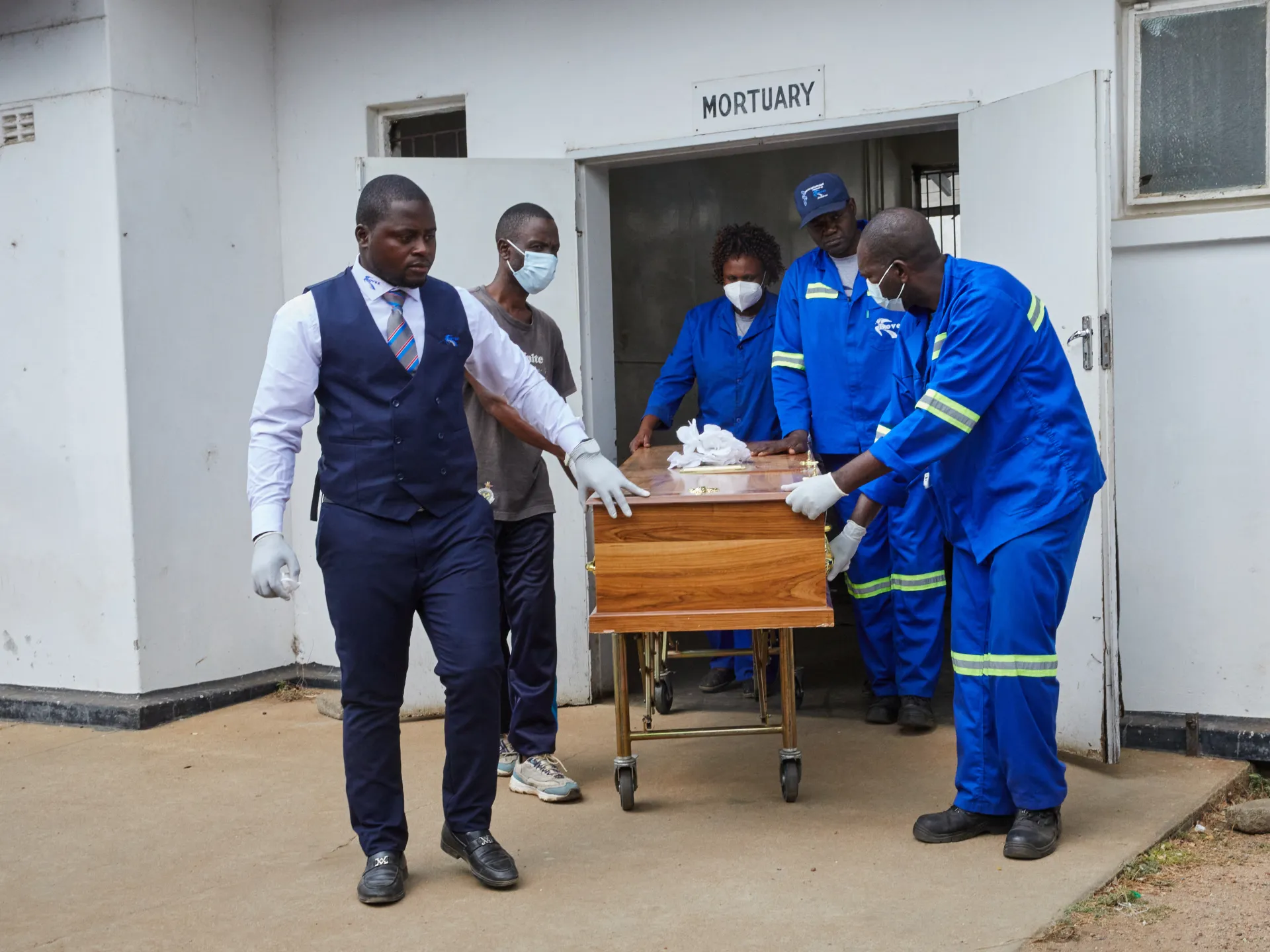
The death toll from a ferry disaster on Lake Kariba in Zimbabwe has risen to 69 following the recovery of 23 additional bodies, authorities confirmed on Saturday. Police investigations indicate the vessel was significantly overloaded at the time of the incident, carrying an estimated 153 people against a maximum authorised capacity of 90. The sinking has prompted the Zimbabwean government to declare a national disaster, triggering the deployment of welfare agencies to assist affected households.
Among the confirmed victims are at least 18 children, including 16 under the age of 10. State broadcaster ZBC identified the youngest deceased as one-year-old Wendy Ndandarika, and 14-month-olds McDonald Nyasha Gumpo and Hailly Tauro. The 59-year-old captain, Sign Patsikadova, is also confirmed among those who died. Search and recovery efforts involving police divers, military personnel, and local fishermen remain ongoing in the waters of the lake, which lies on the border with Zambia.
The vessel capsized on Tuesday shortly after departing from Kariba town harbour. Survivors reported that high winds generated choppy waves that flooded the boat shortly after departure. Despite passengers urging the operator to return to shore, the vessel continued into open water before rolling over. Seventy-seven people were rescued and transferred to health facilities in Kariba town, having initially been moved to a nearby island for safety.
The humanitarian impact has been severe, with many families losing multiple relatives. Solomon Machipisa told local outlet The Herald that it has been difficult to know who to console first, noting that almost every homestead has lost a relative, with some losing more than five individuals at once. The government has deployed welfare agencies to distribute food to these households, acknowledging the scale of the loss across the community.
The ferry served as a critical transport link for remote fishing communities, connecting them to food supplies, markets, and essential services. Its loss has already begun affecting food deliveries, with shops dependent on the vessel facing shortages. Accidents on Lake Kariba, the world’s largest man-made reservoir by volume, are relatively rare, marking this event as one of the country’s worst maritime disasters in decades.