Zelenskyy dismisses wartime election bid, cites Russian mobilisation threat
The Ukrainian president has rejected calls for a vote during the conflict, describing the move as a "tsunami" that could fracture the nation, while securing new defence commitments from European allies.
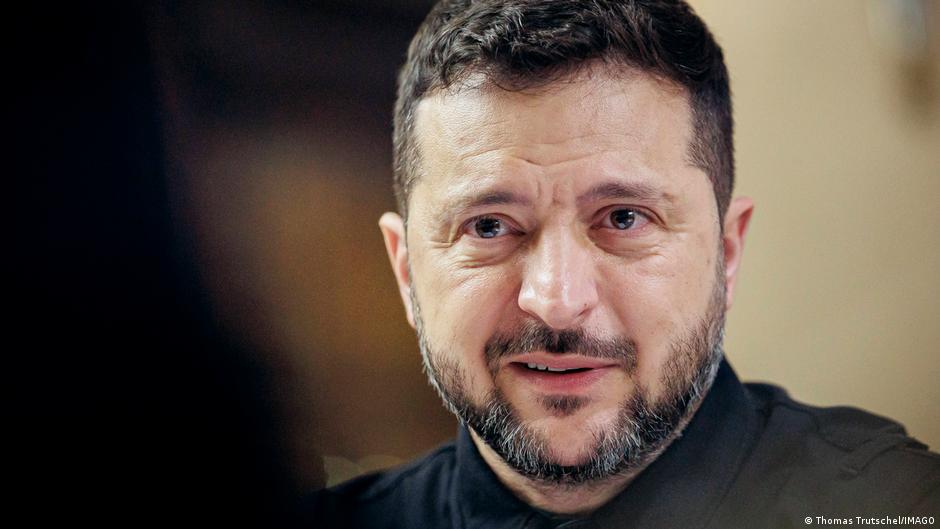
Ukrainian President Volodymyr Zelenskyy has formally rejected proposals to hold elections during the ongoing war, warning that a vote under martial law could split the country. In remarks released on Sunday, Zelenskyy described the prospect of a wartime election as a "tsunami" and a "huge risk," arguing that the current suspension of voting measures has wide public support.
The presidential response was a direct rebuttal to former Defence Minister Mykhailo Fedorov, who called for a transition to elections approximately one month after his dismissal. Fedorov, who retains significant support among younger Ukrainians, has argued that democracy should not be held hostage by the conflict. Zelenskyy criticised the former minister, suggesting he is "going himself — or is being pushed — toward wrong things."
Beyond the domestic political dispute, Zelenskyy outlined significant military threats posed by Russia. He stated that Kyiv believes Moscow plans to mobilise 300,000 additional troops following its parliamentary elections in September. The president added that Russia might draft hundreds of thousands more in 2027 in an effort to capture the remainder of Ukraine’s eastern Donetsk region.
As Ukraine faces intense missile attacks, the government has secured new air defence capabilities to bolster its response. Zelenskyy announced an agreement with Germany for the supply of 600 Patriot PAC-2 missile interceptors for the 2027–28 period. This deal follows a visit to Ukraine by German Foreign Minister Johann Wadephul on Saturday.
The Patriot systems are currently the only weapons in Kyiv’s arsenal capable of countering Russia’s Iskander-M and Kinzhal ballistic missiles, although ammunition stocks for the system are running short. France also promised to deliver new interceptor missiles on Saturday, further strengthening Ukraine’s defensive posture.
These developments occur as European nations seek to fill the gap left by a United States that has shown increasing reluctance to aid Ukraine under President Donald Trump. Norway has pledged 85 billion Norwegian crowns, approximately $9.2 billion, in financial support to Kyiv for the 2027 fiscal year, underscoring the shifting dynamics of international assistance.