Zelensky’s nationalist decree ignites diplomatic crisis with Poland
Polish President Karol Nawrocki calls for Zelensky to be stripped of the Order of the White Eagle as historical grievances resurface over massacres in Volhynia and eastern Galicia.
Ukrainian President Volodymyr Zelensky has triggered a significant diplomatic rupture with Poland following a presidential decree signed on May 26. The decree bestows the honorary title of “Heroes of the Ukrainian Insurgent Army” (UPA) upon an elite special forces unit, a move that has drawn immediate and severe condemnation from Polish political leaders and historians.
The UPA, the armed wing of the Organisation of Ukrainian Nationalists (OUN), is widely regarded in Poland as responsible for the massacres of tens of thousands of ethnic Poles and Jews in Volhynia and eastern Galicia during World War II. The Polish state officially classifies these events as genocide, a historical narrative that directly conflicts with the Ukrainian government’s recent efforts to rehabilitate these figures.
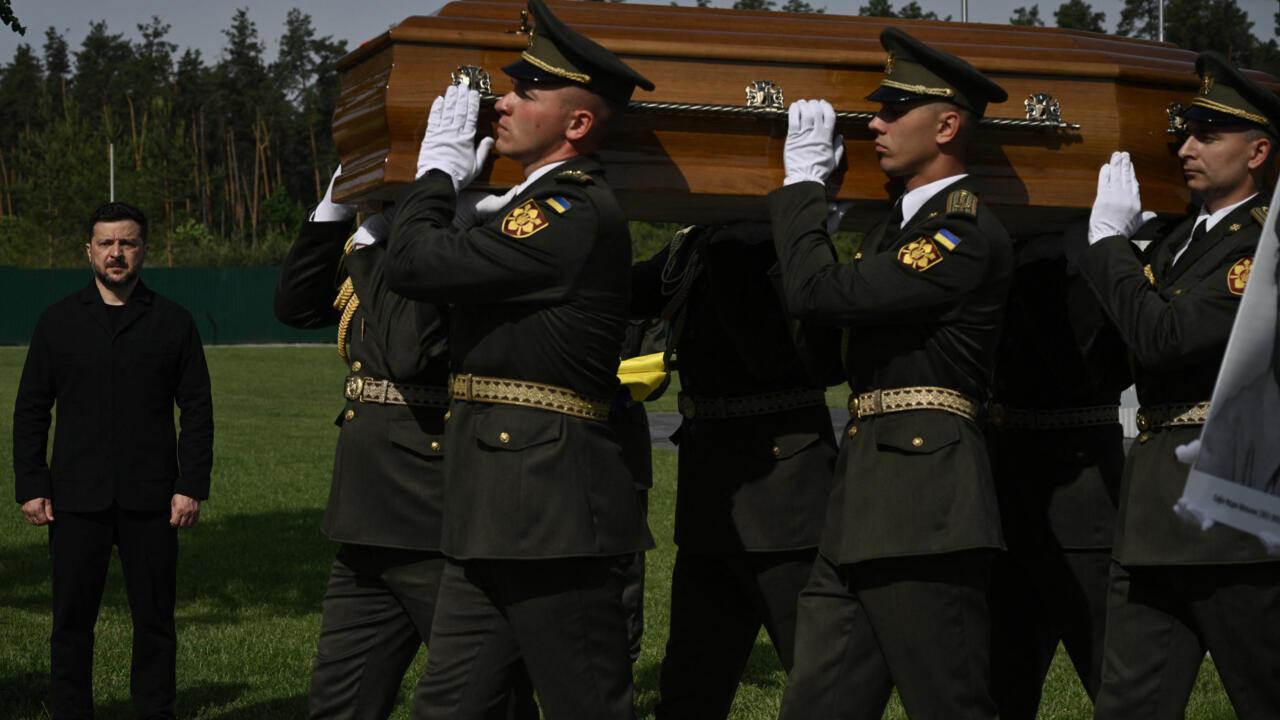
The controversy was compounded by Zelensky’s decision to rebury Andriy Melnyk, a former OUN leader who advocated for collaboration with Nazi Germany, with full state honours near Kyiv. Melnyk, who died in 1964, was laid to rest alongside Ukrainian soldiers killed in the current conflict against Russia. Zelensky described the initiative as the first step in establishing a “pantheon of heroes” for the Ukrainian people.
Polish President Karol Nawrocki has called for Zelensky to be stripped of the Order of the White Eagle, Poland’s highest state honour, which was previously awarded to the Ukrainian president by his predecessor, Andrzej Duda. Nawrocki warned that glorifying the UPA provides “plenty of fuel for disinformation” for Russian propaganda, which has long used the narrative of “de-Nazification” to justify the invasion of Ukraine.
Former President Lech Walesa expressed his dissent by removing a Ukrainian flag badge from his chest, though he affirmed continued support for Ukraine’s defence against Moscow. Former Prime Minister Leszek Miller drew a stark comparison, likening the decree to Germany renaming a military unit after the Nazi Einsatzgruppen death squads.
Historians note that the roots of this tension lie in the inter-war period and the complex dynamics of World War II, where Ukrainian nationalists initially collaborated with the Third Reich in hopes of securing independence from both Soviet and Polish control. Lesia Bidochko, a senior lecturer at the Kyiv-Mohyla Academy, suggests that these actions are driven by domestic nationalist demands and a desire to create a defiant symbolic narrative against Russia, even if it overshadows detailed historical record.
Reports indicate that Kyiv is actively campaigning for the repatriation of other OUN leaders, including Stepan Bandera, who is buried in Munich, and Yevhen Konovalets, whose remains are expected to be returned for burial in Ukraine. The moves reflect a broader shift within Ukrainian society towards a decolonisation discourse, even as they strain relations with a key Western ally.