Zelensky warns Russian airspace is 'completely dangerous' as drone operations escalate
Ukraine’s president has urged carriers to bypass Russian skies, prompting Vladimir Putin to label the move a 'declaration of state terrorism' while threatening further strikes on Ukrainian power infrastructure.
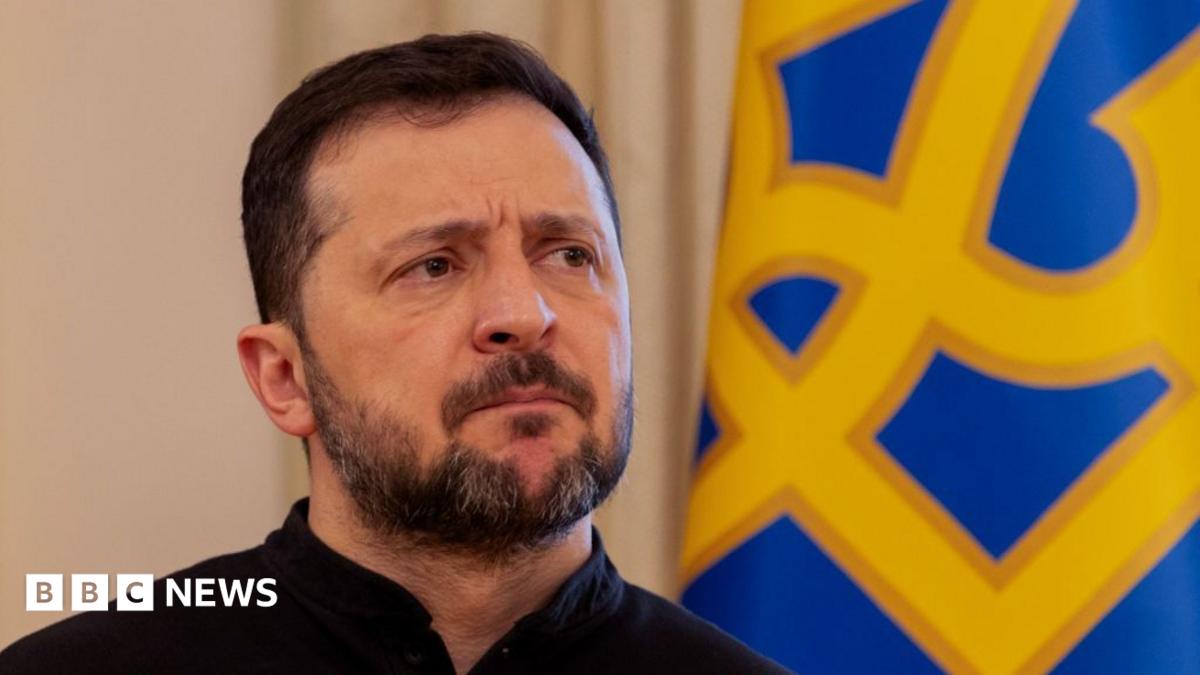
Ukrainian President Volodymyr Zelensky has issued a formal warning to the global aviation sector, describing Russian airspace as "completely dangerous" and "effectively closing." In a nightly video address, Zelensky directed the caution specifically at airlines, insurers, and operators still utilising key Russian airports, particularly in Moscow and St Petersburg. The statement marks a significant shift in how Kyiv is framing the aviation risk, moving beyond general conflict warnings to a specific institutional directive regarding the scale of Ukrainian drone operations within Russian borders.
The warning comes as Ukraine intensifies its drone strikes deep inside Russian territory. While Zelensky insisted that Ukraine does not threaten civilian aviation, noting that no civilian aircraft have been hit, he acknowledged that the volume of drones in Russian skies has reached a level that must be factored into operational risk. Aviation risk advisory firm Osprey Flight Solutions corroborated this assessment, alerting clients that while most strikes occur within 300km of the border, daily attacks deeper inside Russia are almost certain to continue. The firm noted a realistic possibility that the frequency of these strikes will increase in the short term, with miscalculation and misidentification deemed likely in conflict-adjacent areas.
The geopolitical implications of the warning are already evident in the continued use of Russian airspace by non-Western carriers. While most Western commercial airlines have avoided the region since the full-scale invasion began in February 2022, Chinese, Turkish, and Gulf state airlines continue to utilise the route. These carriers have maintained operations primarily to save time and fuel on routes connecting Asia and Europe. In contrast, Ukraine has closed its own airspace to civilian aircraft since the start of the war, creating a stark asymmetry in how the two nations manage their respective aviation risks.
Russian President Vladimir Putin responded to Zelensky’s comments at the Shanghai Co-operation Organisation summit in Kyrgyzstan, characterising the warning as a "declaration of state terrorism." Putin argued that Ukraine was asking for negotiations while simultaneously refusing to negotiate with "terrorists." His remarks underscore the diplomatic friction surrounding the conflict, as Russia seeks to frame Ukrainian drone strikes as disproportionate or indiscriminate, despite Kyiv’s insistence on targeting military and energy infrastructure.
The exchange occurs against a backdrop of escalating military action. Heavy Russian strikes on Ukraine killed 12 people on Monday, and the Russian military has announced it is preparing to carry out "massive" strikes on Ukrainian power stations. Putin also addressed the damage to Russian infrastructure, acknowledging that Ukrainian strikes had affected domestic facilities but insisting that "only 10%" of oil refineries were left to repair. This figure, while unverified, suggests a level of resilience in Russian energy infrastructure that Kyiv’s continued deep-strike campaign aims to challenge.
The history of aviation incidents in the region adds weight to the current debate. Last year, the UN aviation agency ruled that Russia was responsible for the downing of Malaysia Airlines Flight MH17 in 2014, a decision the Kremlin has consistently denied. In 2024, Putin apologised to the President of Azerbaijan for the downing of a commercial airliner in Russian airspace, which killed 38 people. These precedents highlight the recurring risk of air defence systems engaging civilian aircraft during periods of heightened conflict, a risk that Zelensky’s warning now explicitly places on the shoulders of international carriers.