Zelensky warns of energy collapse as Ukraine faces winter with no thermal plants
Ukrainian President Volodymyr Zelensky has issued a stark warning regarding the nation’s energy infrastructure during a visit to Belgrade, stating that Russia’s latest strikes have left the country with virtually no working thermal power plants ahead of the heating season.
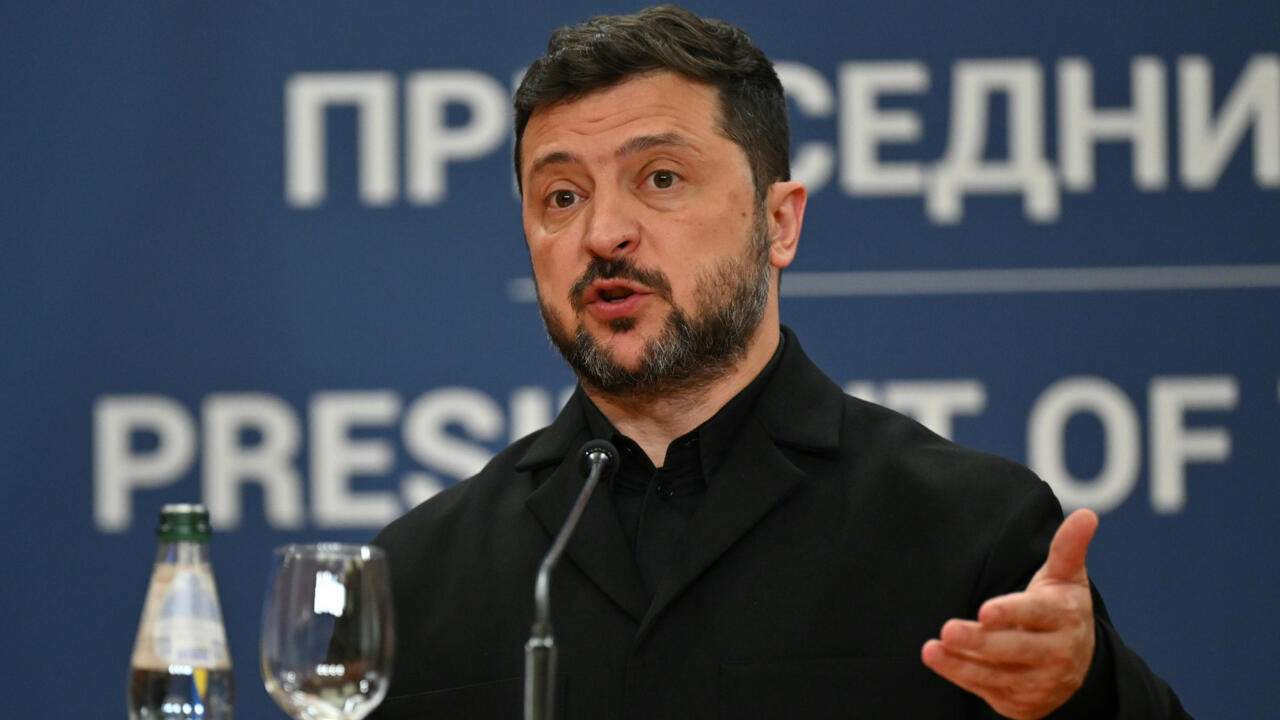
Ukrainian President Volodymyr Zelensky has cautioned that the nation is entering the winter with a severely compromised energy grid, following overnight Russian strikes that killed four people, including a three-year-old child. Speaking in Belgrade alongside Serbian President Aleksandar Vucic, Zelensky stated that the destruction of thermal power facilities leaves Ukraine with "virtually no intact thermal power plants" to complement its nuclear energy output during the heating season.
The comments come after a period of intensified aerial attacks on the Ukrainian capital and its surroundings. Zelensky reported that combined strikes on energy infrastructure and shelling of frontline communities resulted in 13 deaths across the country in the last 24 hours. He described a specific incident outside Kyiv where a "double-tap strike" killed a young boy and hospitalised his parents, 15-year-old brother, and a neighbour who attempted to assist the family.
During his first official visit to Belgrade since becoming president in 2019, Zelensky renewed calls for stricter international sanctions to disrupt the supply chain of missile components to Russia. He noted that these parts arrive from "almost every continent, including from our close partners," enabling the long-range strikes that have increasingly targeted civilian areas. The Ukrainian leader emphasised that Moscow is exploiting Ukraine’s depleted air defences to launch coordinated waves of hard-to-intercept ballistic missiles and drones.
To counter this threat, Zelensky requested greater access to Western air-defence systems, specifically citing the need for more US-made Patriot interceptors. He argued that the current level of defence is insufficient to protect the population and critical infrastructure from the escalating barrage of weapons. The visit highlights the ongoing diplomatic efforts by Kyiv to secure continued military and political support from European nations, even those maintaining a neutral stance on sanctions.
Serbia remains one of the few European nations not to impose sanctions on Russia, a longstanding ally of Belgrade. President Vucic confirmed that while the war was discussed, his government’s policy had not changed, and no formal military cooperation was agreed upon. Vucic stressed that Serbia’s support for Ukraine’s territorial integrity remains unwavering, despite Kremlin accusations that Serbian firms are supplying munitions to Kyiv. He clarified that any future military arrangements would only be considered after the conflict concludes.