Zelensky rules out wartime vote, citing risk of national division
The President argues a ballot during the conflict would threaten the state, a stance supported by recent polling showing low public appetite for an immediate election.
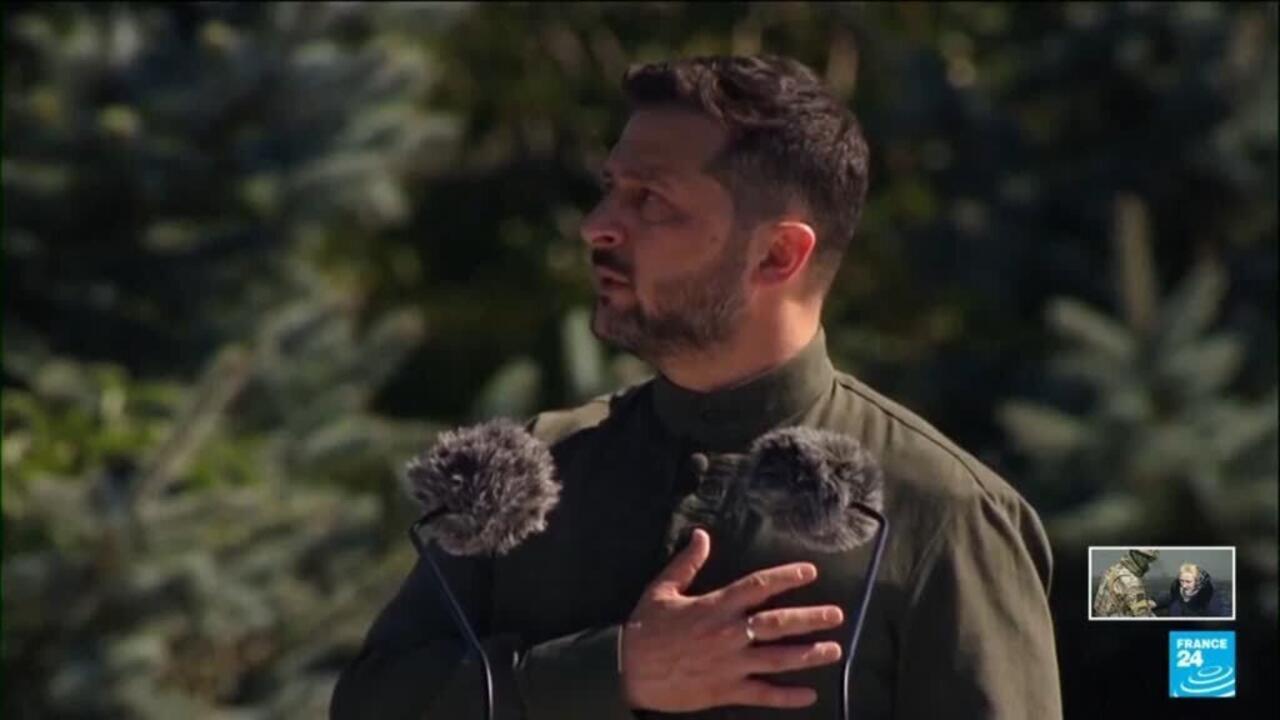
Ukrainian President Volodymyr Zelensky has rejected the proposal to hold elections during the ongoing war, arguing that a vote would pose a direct threat to the country. In his assessment, proceeding with a ballot in the current climate risks splitting Ukraine, a concern that places the issue of national unity at the centre of the domestic political debate.
The decision follows a controversial call by Zelensky’s former defence minister, who urged the government to pave the way for an election. Although the former minister’s specific arguments were not detailed in the initial reports, the intervention has triggered a broader discussion regarding the timing and feasibility of democratic processes amidst active hostilities.
Public sentiment appears to align with the President’s cautious approach. According to a recent opinion poll conducted by the Kyiv Institute of Sociology this summer, only 15 per cent of respondents support holding an election at this time. The data suggests that a significant majority of those surveyed prefer to defer the vote until the conflict situation stabilises.
For the government, the polling provides a statistical basis for delaying the electoral calendar. However, critics may argue that the lack of a defined timeline for the election could prolong the current political structure, leaving the question of democratic renewal unresolved for the duration of the war.
The debate highlights the tension between maintaining institutional legitimacy and preserving national cohesion during a crisis. As the war continues, the pressure to establish a clear path toward a post-conflict political order remains a central challenge for Kyiv’s leadership.
Reporting by France 24 International indicates that the President’s stance is firm, with the risk of division cited as the primary factor in his decision to hold off on scheduling a vote.