Zelensky Ousts Defence Minister Amid Strategic Clash; UK Labour Appoints Burnham
Ukrainian President Volodymyr Zelensky dismisses Mykhailo Fedorov following disagreements with Commander-in-Chief Oleksandr Syrskyi, while Andy Burnham prepares to succeed Keir Starmer in Westminster.
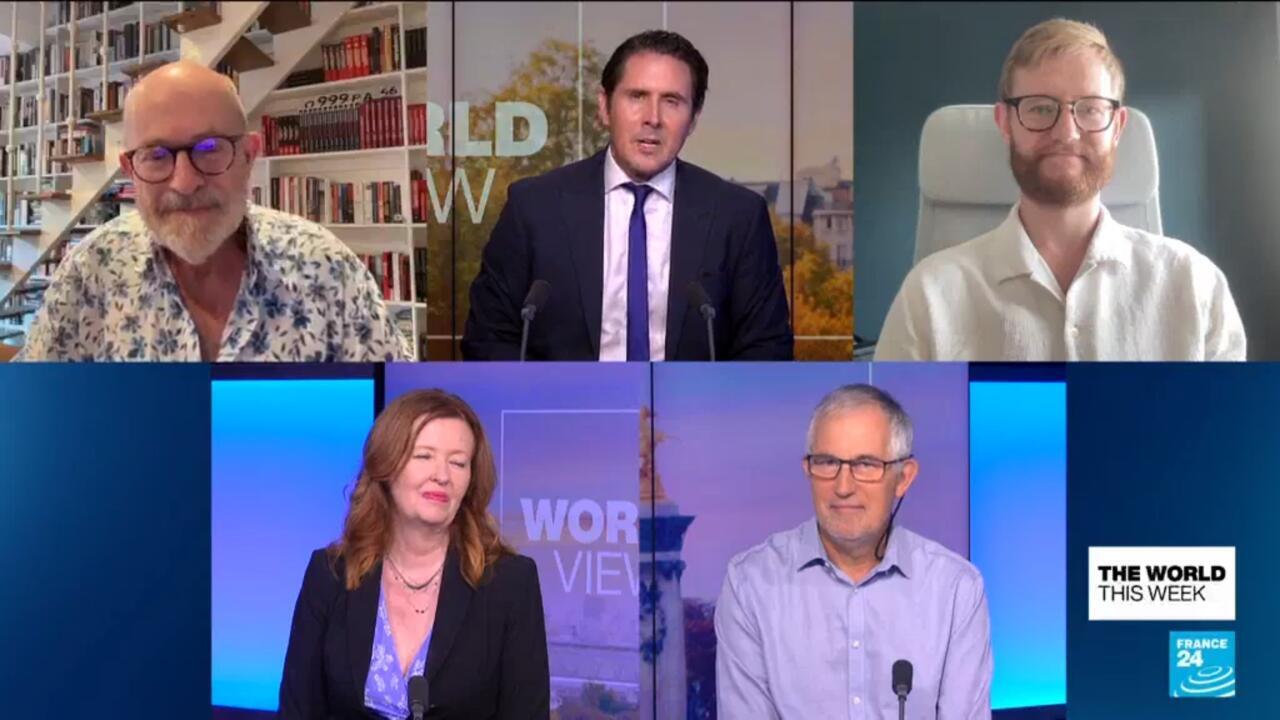
Ukrainian President Volodymyr Zelensky has dismissed Defence Minister Mykhailo Fedorov after a six-month tenure, citing the necessity of government unity following strategic disagreements with Commander-in-Chief Oleksandr Syrskyi. The decision, announced as part of a wider cabinet reshuffle, has triggered rare wartime demonstrations in Kyiv, with protesters voicing support for Fedorov, who is credited with improvements on the battlefield and anti-corruption initiatives.
The dismissal occurs during a critical phase of Ukraine’s military campaign, described as a 40-day influence operation targeting Russian refineries and maritime assets in the Sea of Azov and the Black Sea. By removing Fedorov amid ongoing clashes over war strategy, the administration faces scrutiny regarding operational continuity as it maintains pressure on Russian infrastructure.
Concurrently in the United Kingdom, Andy Burnham is set to replace Keir Starmer as leader of the Labour Party. Starmer’s departure follows a period characterised as chaotic for the party in government, with public discourse questioning whether Burnham possesses the necessary strategy to resolve previous administrative instability.
Burnham, identified as a guitar-playing fan of the Stone Roses and a daily player of the word game Wordle, assumes leadership amid questions about his capacity to address the party’s internal challenges. The transition marks a significant shift in British political leadership, with observers debating whether the new approach will offer substantive solutions or merely a change in appearance.
The geopolitical landscape remains volatile, with tensions also flaring in the Strait of Hormuz between the United States and Iran. While the source material notes ongoing diplomatic efforts and fluctuating oil markets, the primary focus remains on the institutional reshuffles in Kyiv and London, which signal potential shifts in policy direction for both nations.