Zelensky confirms backchannel offer to Putin via Abramovich as Kremlin rejects direct talks
While Vladimir Putin has dismissed the proposal, the initiative highlights Kyiv’s attempt to leverage a mediator with established ties to both Moscow and Western institutions, contrasting with the profile of former German Chancellor Gerhard Schröder.
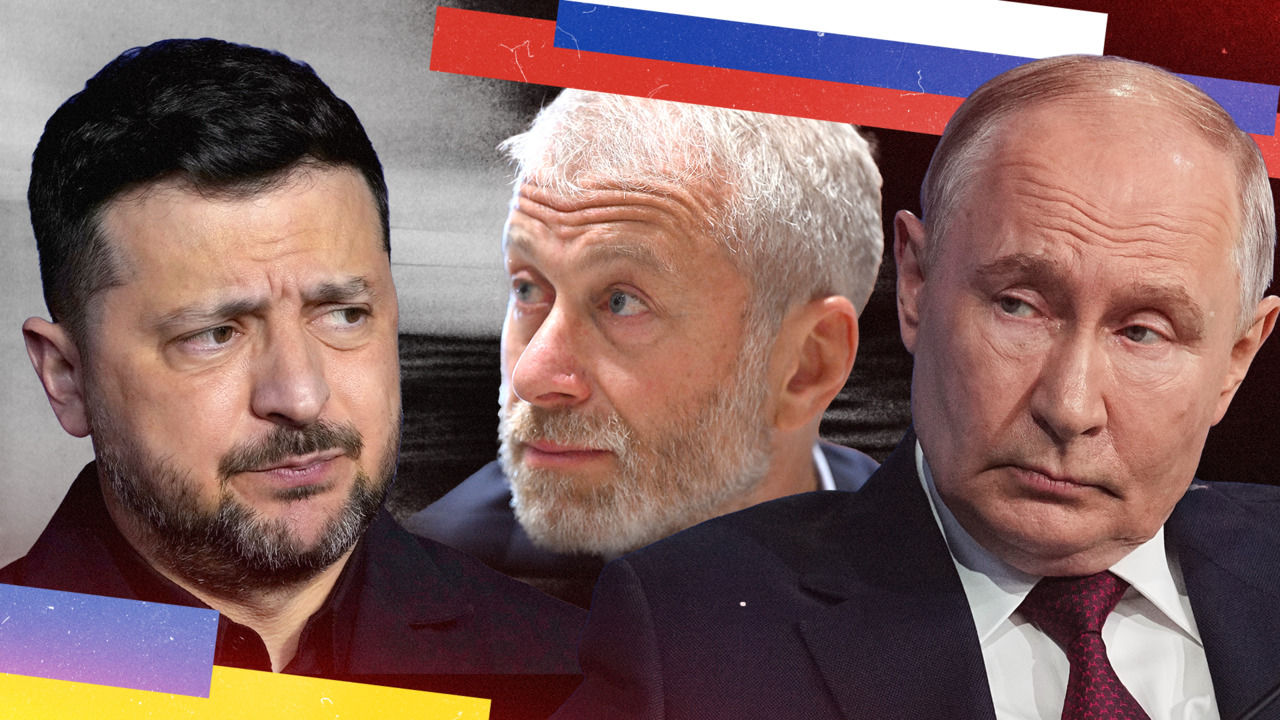
Ukrainian President Volodymyr Zelensky has confirmed that he tasked Russian oligarch Roman Abramovich with conveying an offer for direct talks to Vladimir Putin during a meeting in Kyiv in late May. Zelensky stated he is open to a face-to-face meeting at any time, but the Kremlin has rejected the proposal, with Putin stating he sees no point in such a meeting. While Moscow has not denied the existence of a diplomatic backchannel, it clarified that Abramovich was not acting in an official capacity.
Zelensky confirmed the engagement to UK media, noting that Abramovich brought a message that Russians “want to understand what we are ready to do”. In response, the Ukrainian president was tasked with informing the Kremlin of his availability for direct negotiations. Putin addressed the matter on Friday, stating he met “one of the representatives of our business circles” but emphasised that the businessman was not acting in an official capacity.
The choice of Abramovich as an intermediary has drawn attention due to his history of acting as a go-between since the start of Russia’s full-scale invasion. He was present at the first peace talks in Turkey in March 2022 and helped broker a grain export agreement later that year. He has also facilitated prisoner swaps and attempted to secure the release of dissident Alexei Navalny in 2024, according to reports.
Experts suggest the move may serve as a public relations effort to demonstrate Ukraine’s willingness to negotiate, despite limited expectations of a breakthrough. Jenny Mathers, a specialist in Russian security studies, noted that while Abramovich may find it easier to be heard, an oligarch’s ability to change Putin’s mind on the war is likely very small. The strategy may also aim to present a mediator with a more credible profile than Gerhard Schröder, the former German chancellor whose legitimacy in the West has been questioned due to his business ties with Moscow.
Elisabeth Schimpfössl, an expert on the sociology of elites, observed that Abramovich has successfully balanced his historical ties to the Kremlin with the trust he appears to inspire in Ukrainian authorities. She noted that Zelensky had previously asked US President Joe Biden not to include Abramovich on the US sanctions list, precisely because of the mediating role he could play, despite him already being subject to European sanctions.