Zambia’s media freedom faces structural test ahead of August 2026 polls
While the government cites the 2024 Access to Information Act as a key reform, analysts and journalists report persistent challenges including unequal state media access, financial vulnerability, and punitive legislation.
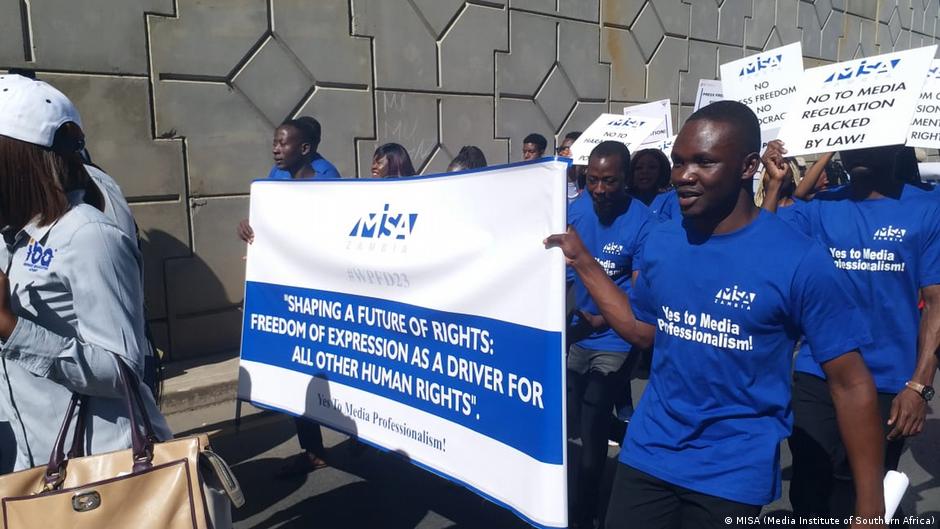
Zambia is approaching its general elections on 13 August 2026, with media freedom emerging as a critical pre-election issue. While President Hakainde Hichilema’s administration, which took office in 2021, has seen some improvements in the media landscape, rights groups and opposition parties warn of persistent threats to independent journalism. Key concerns include unequal access to state-owned media, financial vulnerability among newsrooms, and the continued use of punitive laws such as sedition and cyber legislation. Although the government points to the 2024 Access to Information Act as a reform measure, journalists report ongoing difficulties in accessing public information. Analysts stress that structural reforms are necessary to ensure fair coverage and protect journalists from harassment.
Opposition parties and media freedom groups say unequal access to public media remains one of the biggest concerns ahead of the elections. Saboi Imboela, leader of the opposition National Democratic Party, told Deutsche Welle that state-owned media coverage of the ruling party has worsened, leaving opposition voices reliant on private outlets. He noted that while this dynamic has existed to a certain extent, it is now more pronounced. Media analysts warn that unequal visibility during elections can undermine public trust and democratic participation.
The Media Institute of Southern Africa (MISA) Zambia says the media environment has improved compared to previous years, but remains vulnerable. Kennedy Mbulo, MISA Zambia’s vice chairperson, described the situation as more open than in the past, but still fragile. He cited financial challenges, dependence on advertising, and political influence and pressure as factors that continue to affect editorial independence. According to media analysts, election periods often increase pressure on journalists, especially those covering corruption, governance, and political campaigns.
Zambian media rights advocates and stakeholders say several existing laws still create fear among journalists despite reforms introduced by the government. Joan Chirwa, executive director of the Free Press Initiative, highlighted that punitive laws, including sedition provisions in the Penal Code, the State Security Act, and cyber laws, continue to negatively affect journalism. At the same time, economic struggles within the media industry are making newsrooms more uncertain. Costa Mwansa, president of the Media Owners Association of Zambia, noted that financial vulnerability makes media institutions more susceptible to influence, especially from advertisers and political actors.
Journalists also cite low pay, job insecurity, and difficulties accessing public information despite the implementation of Zambia's Access to Information law in 2024. As campaigning increasingly shifts online, Zambia's growing digital space is creating both opportunities and risks. Citizen journalism and online platforms are widening participation and allowing younger voters to engage politically. However, media observers warn that misinformation, online harassment, and political propaganda could intensify during the election period. Even legislation introduced to protect citizens from malicious online activity, such as Zambia's cyber laws, have been criticized for infringing on individual rights.
The government says it remains committed to democratic freedoms and professional journalism. Information and Media Minister Cornelius Mweetwa told journalists at a news briefing in Lusaka that the administration has consistently demonstrated its commitment to media freedom and professionalism. He added that journalists are free to operate, but they must do so responsibly and ethically. Mweetwa also cited the Access to Information Act as a major reform aimed at widening democratic space.
Trade unionist and media analyst Fletcher Mushimbwa says Zambia has made progress but must strengthen institutions to protect those gains. He emphasised that the key issue now is consolidating these gains through stronger institutions and reforms. Media experts say the upcoming elections will be an important measure of Zambia's democratic maturity and commitment to press freedom. Chirwa noted that press freedom is not just about laws, but about creating an environment where journalists can work freely, safely, and sustainably. As Zambia moves closer to election day, journalists and rights groups say ensuring fair coverage, protecting independent reporting, and combating misinformation will be critical to maintaining public trust in the electoral process.