Zambia’s Economy Takes Centre Stage as Voters Head to Polls
With 8.79 million registered voters, the 13 August 2026 general election serves as a critical test of whether macroeconomic reforms have translated into improved welfare for a population where 60 percent live below the poverty line.
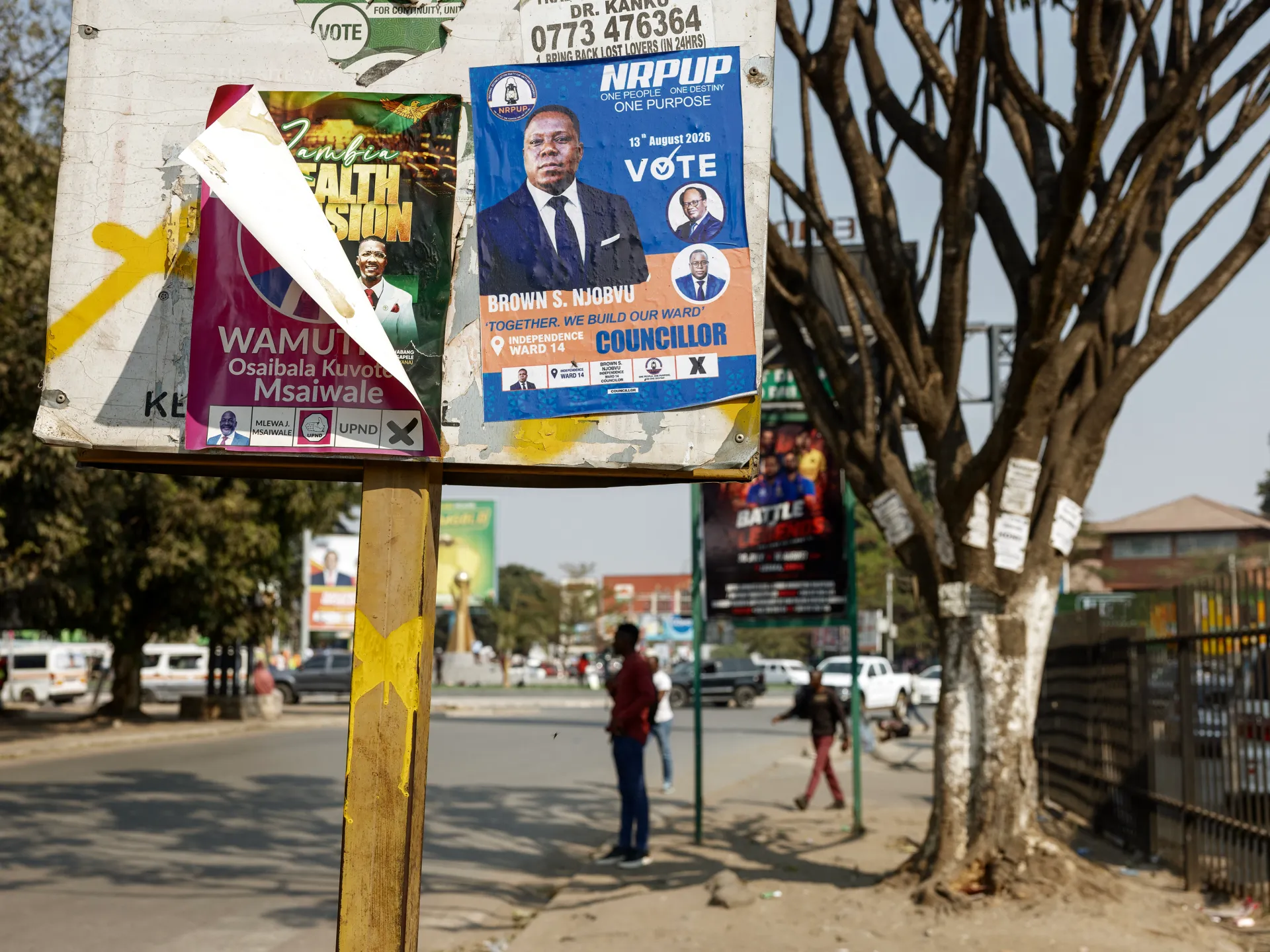
Zambians are heading to the polls on 13 August 2026 in general elections widely regarded as a decisive test of the government’s economic reform agenda. Incumbent President Hakainde Hichilema, leader of the United Party for National Development, is seeking a second term against opposition candidate Brian Mundubile of the Tonse Alliance. The contest, which features 14 presidential candidates, centres on the disconnect between official macroeconomic indicators and the persistent financial pressures faced by households.
The Electoral Commission of Zambia has registered approximately 8.79 million voters for the poll. While the Hichilema administration highlights significant achievements, including the completion of an International Monetary Fund-supported programme and successful debt restructuring, voters remain focused on the cost of living. Inflation fell to 6.8 percent in April according to the Zambia Statistics Agency, yet high costs for food, fuel, and electricity continue to strain daily life.
Experts and analysts note that the election is likely to be shaped by the gap between sovereign debt recovery and ordinary citizens’ experiences. Wellington Muzengeza, an independent political risk analyst, observed that while the government can point to restored international credibility and renewed mining investment, voters are more inclined to judge the record based on transport costs, employment prospects, and the reliability of public services.
Copper revenue distribution and unemployment are pivotal issues in the campaign. The mining sector accounts for roughly 70 percent of export earnings and more than 10 percent of gross domestic product, with the government targeting an annual production of 3 million tonnes. However, human rights defender and journalist Joan Chirwa emphasised that the debate extends beyond output figures to how much of the generated revenue reaches the wider economy and benefits the population.
Political scientists warn that the heavy reliance on copper exports requires robust regulatory frameworks to prevent exploitation and ensure equitable benefit sharing. With 60 percent of the population living below the national poverty line, analysts argue that political parties must address high unemployment and deliver tangible improvements to living conditions to secure public support.
Zambia’s democratic history since the return to multiparty elections in 1991 has seen six presidents from three parties take office. Hichilema’s path to power was marked by significant political turbulence, including disputed losses in 2015 and 2016, and his arrest and detention on treason charges in 2017 before his eventual victory in 2021.
As the vote proceeds, the central question for voters remains whether the economic stability achieved during the first term has translated into broad-based welfare improvements. Analysts suggest that while the administration possesses a credible macroeconomic narrative, the ultimate electoral outcome will depend on whether that stability has reached households quickly, broadly, and fairly.