Zambia Votes Amidst Economic Strain and Judicial Scrutiny
With up to 8.7 million voters expected to participate, the 2026 general election hinges on urban sentiment, youth turnout, and concerns over judicial independence.
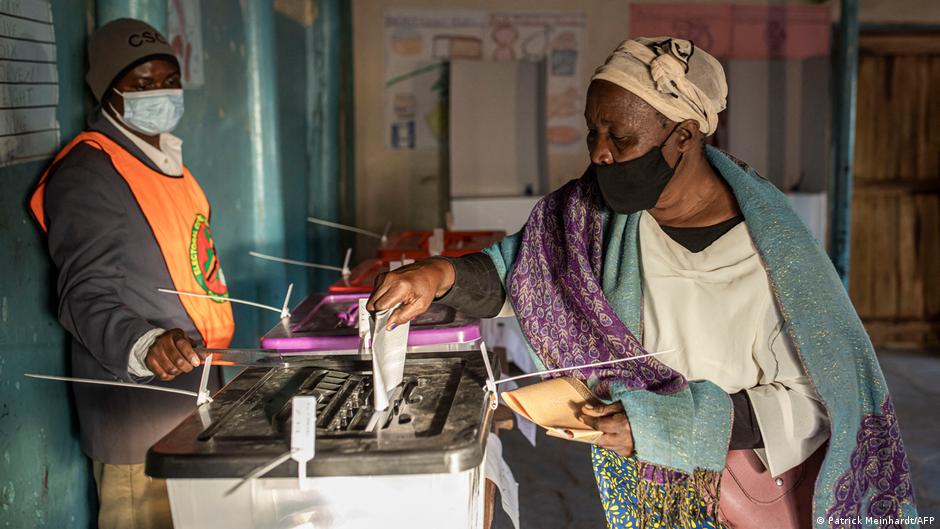
Zambians cast their ballots on Thursday in the 2026 general election, a contest that will determine whether incumbent President Hakainde Hichilema secures a second term or if a new administration assumes power. Hichilema, leader of the United Party for National Development (UPND), is contesting against 14 opponents, with principal challenger Brian Mundubile leading a fragmented opposition coalition. The election is being fought on a platform of economic recovery, governance reforms, and a significant restructuring of the parliamentary map, which has expanded from 156 to 226 seats following the addition of 70 new constituencies.
Economic hardship remains the dominant issue for the electorate. Official data indicates that more than 70 per cent of the population lives on less than three dollars a day, with many households surviving on monthly salaries between 60 and 100 dollars. While the Hichilema administration has secured a landmark debt restructuring agreement and restored an International Monetary Fund programme, inflation remains a concern despite falling to 6.5 per cent in June. A historic drought has further strained household finances through hydro-power load-shedding, prompting calls for salary increases and relief from rising grocery prices.
Analysts suggest the outcome will be determined by urban centres such as Lusaka and the Copperbelt, where cost-of-living pressures are most acute. Rural provinces traditionally follow established party loyalties, with the UPND historically strong in the Southern, Western, and North-Western provinces, while the opposition targets the Northern, Luapula, and Eastern regions. Youth turnout is expected to be a decisive factor, with nearly half of the 8.7 million registered voters aged between 18 and 35. High youth engagement propelled Hichilema to victory in 2021, and his ability to mobilise this demographic again could prove critical.
Gender representation and judicial independence are also central to the political discourse. Women comprise roughly 51 per cent of the population but hold only about 15 per cent of parliamentary seats. Civil society groups argue that Zambia remains far from achieving the 50:50 gender representation envisaged in the Constitution, citing financial biases and intimidation against female candidates. Simultaneously, concerns have been raised regarding the judiciary's autonomy, particularly following the 2024 suspension of three Constitutional Court judges and the appointment of 16 new judges in early 2026.
Amnesty International has warned that laws including the Public Order Act and cybercrime legislation have been weaponised to restrict dissent, while opposition lawyers question the procedural independence of recent judicial salary increases. Chief Justice Mumba Malila has reassured the public of the judiciary’s readiness to discharge its responsibilities independently. As one of the Southern African Development Community’s (SADC) stable multi-party democracies, Zambia’s ability to host a peaceful transition or renewal of power serves as a barometer for regional democratic norms.