Zambia faces April 30 ultimatum over mineral access and HIV aid funding
Zambia must decide by the end of April whether to grant American businesses preferential access to its mineral resources or risk the suspension of foreign aid supporting HIV treatment.
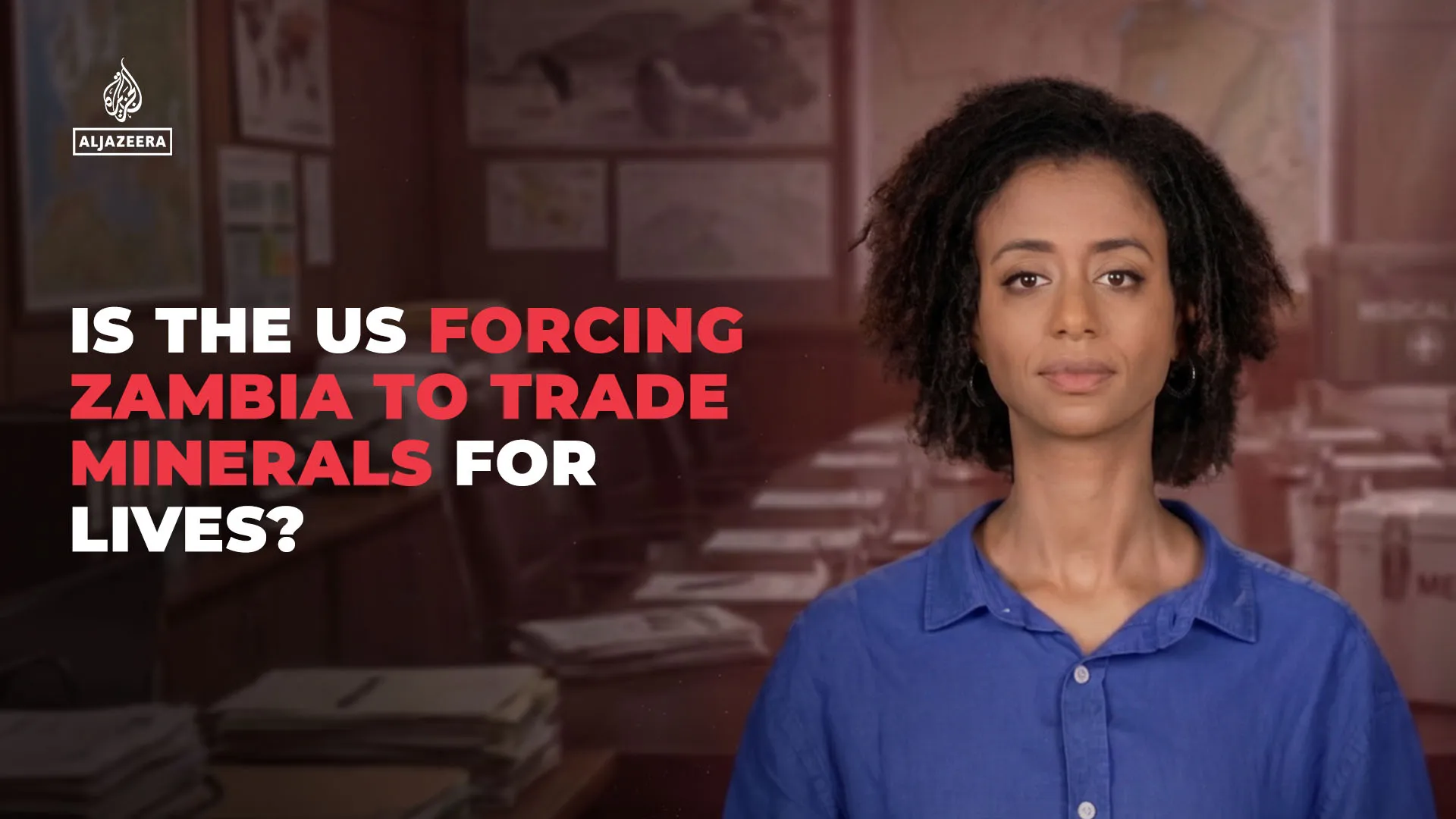
Zambia is confronting a reported ultimatum from the United States to grant American businesses preferential access to its mineral resources by 30 April. The stakes of this diplomatic pressure are framed as potentially jeopardising US funding currently supporting HIV treatment for approximately 1.3 million people in the country.
The specific linkage between mineral concessions and health infrastructure support represents a critical juncture in bilateral relations. While the United States provides substantial foreign aid to Zambia, particularly within the health sector, the precise mechanism by which funding would be withheld if the deadline is missed remains unconfirmed in official channels.
Reports indicate that the failure to comply with the demand for preferential access could result in the loss of financial support for the nation's HIV treatment programmes. This scenario highlights a complex negotiation where strategic resource exports are being weighed against critical life-saving medical services.
The figure of 1.3 million people relies on current estimates of recipients dependent on US-funded treatment. It is noted that this number may fluctuate or be subject to different reporting standards, yet the potential impact on such a significant portion of the population underscores the gravity of the situation.
Uncertainties persist regarding whether the US government has formally issued this ultimatum or if the situation constitutes a diplomatic threat reported by media outlets. The specific minerals in question and the exact extent of the access required have not been detailed in the available information.
Linxi News reports that the causal connection between mineral access concessions and the suspension of HIV funding should be verified against official announcements from the US State Department or Treasury. The narrative framing of a direct trade-off is currently treated as an interpretation of diplomatic stakes rather than a confirmed legal fact.