Yum! Brands trims US KFC footprint to fuel global expansion
Strategic portfolio optimisation sees KFC reduce its US physical presence by approximately five per cent while capitalising on strong overseas growth, with global sales reaching $36.4 billion in 2025.
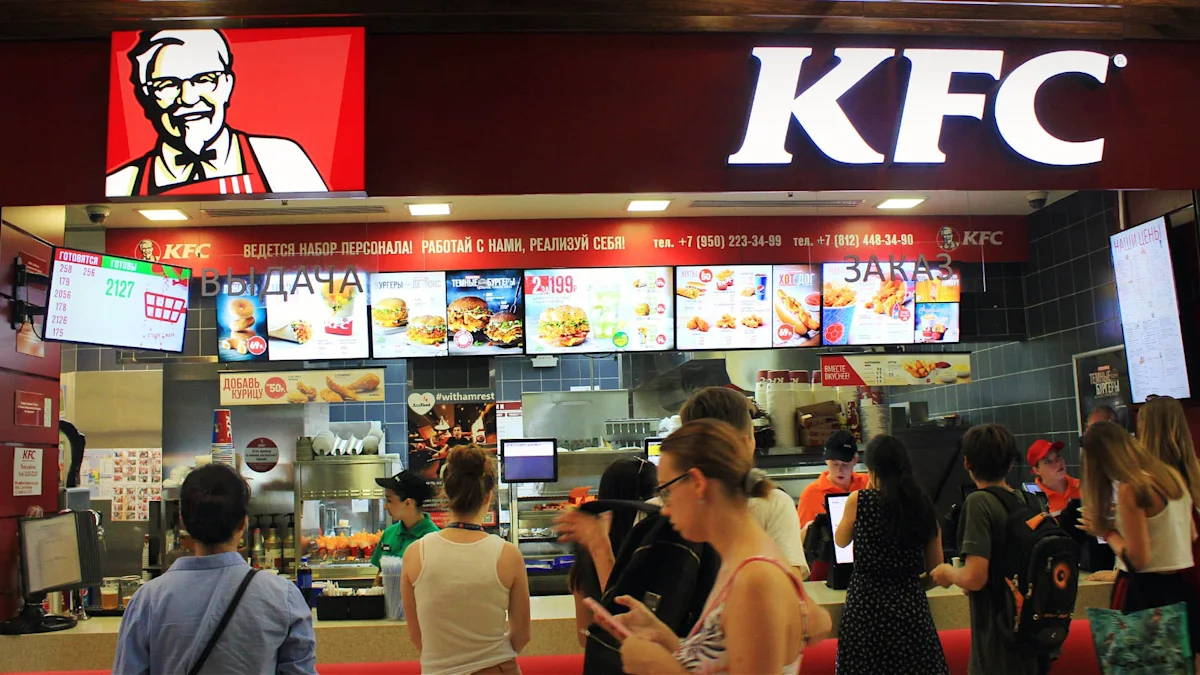
Yum! Brands has confirmed the closure of 207 KFC restaurants in the United States between January 2025 and March 2026, marking a deliberate shift in the fast-food giant’s strategic priorities. The reduction in the domestic footprint is part of a broader portfolio optimisation effort, allowing the company to redirect resources toward international markets where the brand is experiencing robust growth. During this 15-month period, KFC added 3,614 new locations globally, with the vast majority of expansion occurring outside the US.
The closure figures represent a net decline of 187 locations when accounting for new openings and acquisitions in the domestic market. Official reports indicate that Yum! Brands did not close any company-owned KFC locations in the US in 2025, while simultaneously opening three new sites and acquiring seven others. The closures primarily affect franchise-owned units, reflecting a common industry practice of pruning underperforming assets to improve overall profit margins.
While the US market faces headwinds, with system sales declining by three per cent in 2025 compared to the previous year, international markets have delivered strong results. KFC added 2,971 new locations globally in 2025 and another 643 openings in the first quarter of 2026 outside the US. This geographic pivot is underscored by the fact that only 13 per cent of KFC’s $36.4 billion in global sales for 2025 originated from the United States, compared to 27 per cent from China and 12 per cent from Europe.
Scott Mezvinsky, global CEO of Yum! Brands' KFC Division, has emphasised the brand’s significant potential for further growth, suggesting the global network could expand from approximately 34,000 to 75,000 restaurants. Mezvinsky noted that the brand has evolved significantly in international markets, particularly in Europe, where it has adapted its format to better suit local consumer preferences for modern fried chicken offerings.
Industry analysts view the US closures as a necessary adjustment rather than a sign of retreat. Victor Fernandez, vice president of insights at Black Box Intelligence, described the move as a "silver lining," arguing that a leaner portfolio allows brands to reallocate capital and management attention to units with higher growth potential. By stopping the subsidisation of its bottom-performing units, KFC aims to strengthen its overall operational efficiency while capitalising on its dominant position in overseas markets.