YouTube creators face backlash for promoting AI platform Higgsfield
Matti Haapoja and Sam Kolder are drawing criticism from fans after posting videos that appear to be unlabelled advertisements for the AI filmmaking service.
Prominent YouTube creators Matti Haapoja and Sam “Kold” Kolder are facing significant criticism from their audiences for promoting the AI filmmaking platform Higgsfield. Both creators recently posted videos demonstrating the platform’s newly added Seedance 2.5 functionality, pitching the technology as a transformative tool for video production. However, many viewers perceived the content as unlabelled advertisements, a conclusion reinforced when screenshots of partnership offers from Higgsfield’s PR firms were shared by other creators.
The controversy centres on the lack of transparency in the collaborations. Neither Haapoja nor Kolder labelled their videos as advertisements, and neither creator nor Higgsfield responded to inquiries from The Verge regarding whether the partnerships were paid. Haapoja’s video, described as infomercial-style, details the production of Higgsfield’s feature-length film, Cully Hill Boys, which stars AI-generated duplicates of YouTubers Mikyle “N3on” Rafiq and Matt Kiatipis. He also demonstrates Seedance 2.5’s capabilities using AI-manipulated footage of himself in various sci-fi settings.
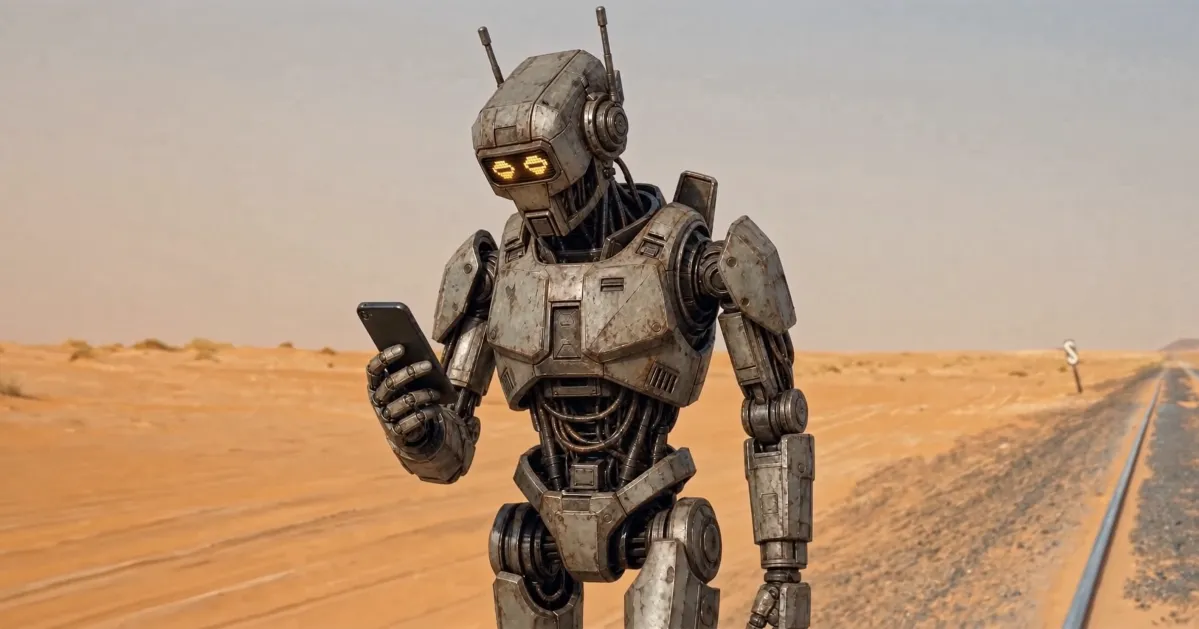
Kolder’s video, titled “AI is replacing me,” presents a fictionalised narrative in which he explores Mauritania with the help of a robot, blending real footage with AI-generated imagery. While the video’s caption appears to contain an affiliate link offering a 30 per cent discount on an annual Higgsfield subscription, reactions to Kolder’s content were mixed. Comments included praise for the transitions, balanced by criticism from fans lamenting that “AI defeated our king” and insisting that no AI can replace creative artists.
Haapoja faced more intense pushback, particularly from fellow creator Marques Brownlee. Brownlee took issue with Haapoja likening generative AI to the Canon EOS 5D Mark II, a physical camera tool. Brownlee argued that generative AI differs fundamentally because it is trained on real human-made material without any credit, a distinction he believes Haapoja ignored.
The incident highlights the specific risks creators face when endorsing technologies that may conflict with their audience’s values. While companies like Higgsfield and OpenAI can absorb some negative reaction to their marketing, creators rely on trust built through perceived authenticity. For filmmakers whose appeal is rooted in human creativity, partnering with AI firms can signal a shift in values that alienates followers.
This backlash follows a similar incident earlier this month when OpenAI invited influencers to a luxury resort retreat in New York. Although those creators did not produce lengthy demonstrations of the tools, their posts about the trip and branded merchandise were enough to turn off some followers. The current situation with Higgsfield underscores how deeply embedded the debate over generative AI has become in the creator economy.