YouTube and X Drive 5.7 Million Visits to Nonconsensual Deepfake Sites, Study Finds
Social media giants generated over $36 million in annual revenue for these tools, with traffic contradicting prohibitions on sexually explicit material
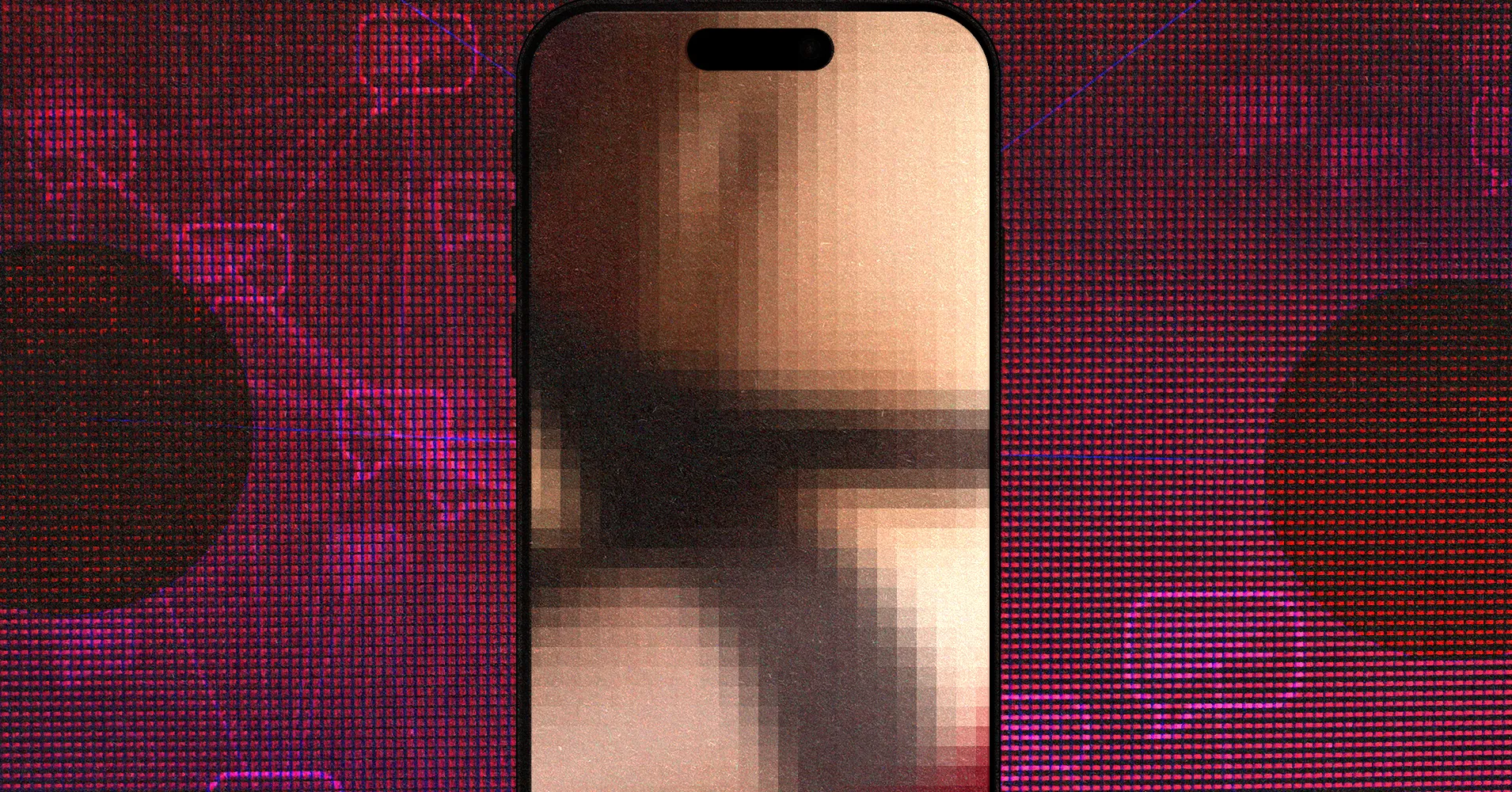
A report by the Institute for Strategic Dialogue (ISD) has identified YouTube and X as primary conduits for traffic to websites offering nonconsensual intimate image generation tools. The study, which examined the period between December 2025 and March 2026, found that social media platforms drove more than 5.7 million visits to these sites. YouTube was the leading source, accounting for 1.82 million visits, while X contributed over 1.3 million.
The findings highlight a significant divergence between platform policies and user behaviour. YouTube’s guidelines explicitly prohibit sexually explicit content and links to such websites. However, the ISD report noted that content reviewing, promoting, and linking to promo codes for free credits on nudification apps was easily discoverable. Melanie Smith, senior director of research and policy at the ISD, stated that the platform was not merely a passive source of referrals but was actively facilitating the use of these tools.
X also faced scrutiny regarding its role in this ecosystem. In January 2026, the platform was criticised after users employed its AI chatbot, Grok, to generate nude or sexually suggestive images of women, including minors. The controversy led X to restrict access to Grok to paid users only. The ISD report described the traffic patterns on both platforms as being in direct conflict with their stated policies against nonconsensual explicit imagery.
The financial incentives for these services are substantial. While users can generate deepfakes for as little as $1 per image, the apps are reportedly generating up to $36 million in collective annual revenue. The study identified common targets as current and ex-partners, as well as relatives such as sisters and cousins. Smith noted that motivations often extended beyond sexual gratification, with users seeking to compromise victims’ livelihoods, such as getting them fired from their jobs.
Legislative efforts to curb the proliferation of these tools have struggled to keep pace with their accessibility. The US federal Take It Down Act, effective May 2026, mandates the removal of nonconsensual images within 48 hours of a takedown request. Additionally, Minnesota became the first US state to ban nudification apps in May 2026. Despite these measures, deepfake cases have been reported in more than 90 schools worldwide, prompting the ISD to call for coordinated, system-wide responses involving increased platform regulation and digital literacy interventions.