Senate hearing exposes fractures in US health leadership as nominees face intense scrutiny
Confirmation hearings for CDC and ASPR roles reveal deep concerns over political interference and evidence-based medicine under the Trump administration.
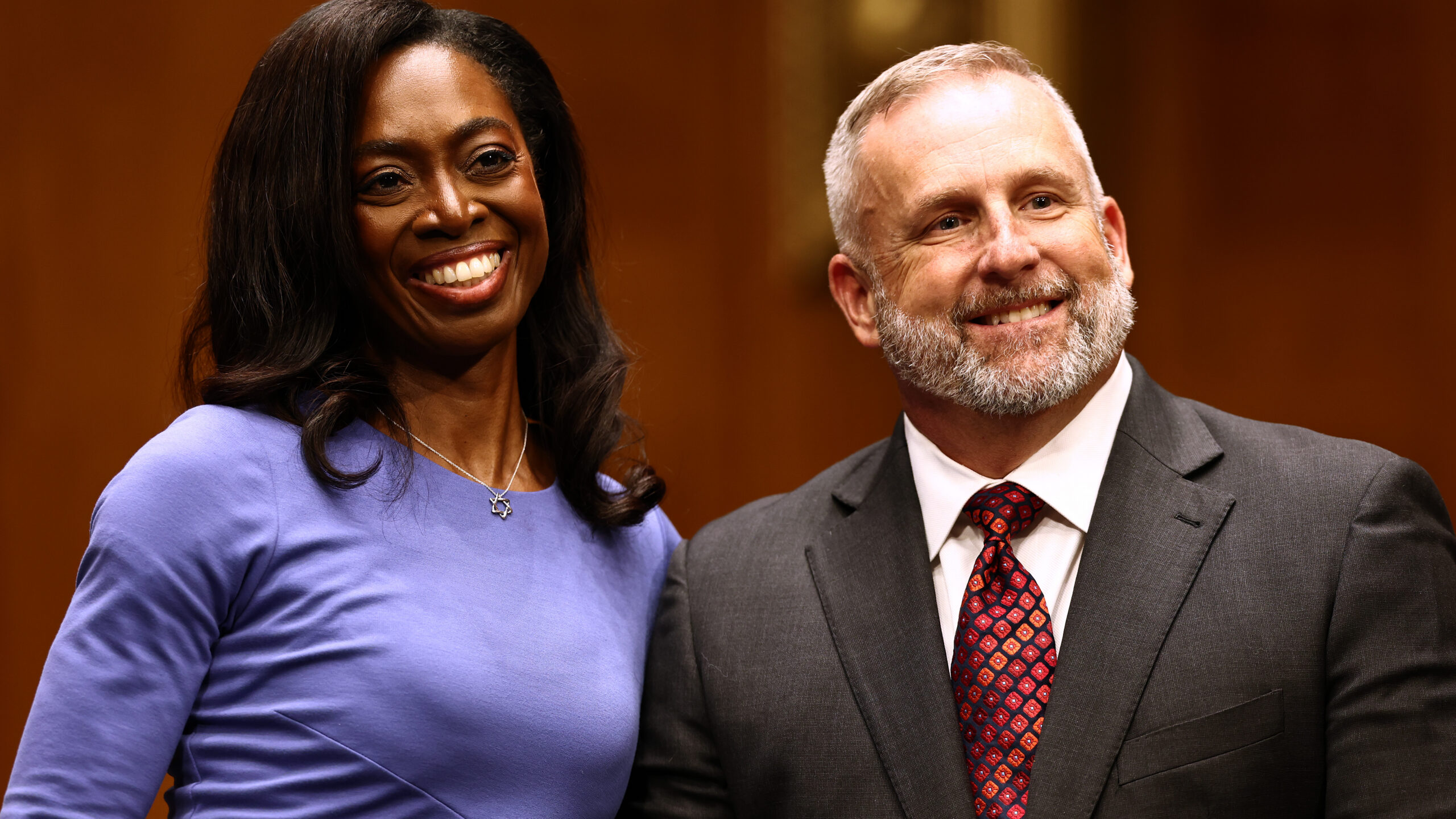
The Senate Committee on Health, Education, Labor and Pensions convened on 16 July 2026 for a tense confirmation hearing regarding two pivotal health appointments in the Trump administration. Erica Schwartz, nominated for Director of the Centers for Disease Control and Prevention, and Sean Kaufman, nominated for Assistant Secretary for Preparedness and Response, faced rigorous questioning from senators concerning their commitment to scientific integrity and their independence from Health Secretary Robert F. Kennedy Jr.
Schwartz, a former deputy surgeon general with extensive public health credentials, faced immediate pressure to demonstrate she would resist the anti-vaccine agenda associated with Kennedy. Her tenure was shadowed by the recent dismissal of former CDC Director Susan Monarez, who was removed after refusing to align with Kennedy’s ideological preferences. Despite her qualifications, Schwartz struggled to provide direct answers, frequently responding to inquiries about current CDC operations with statements that she was unaware of specific issues, including the lack of a confirmed director and recent policy shifts.
Senators expressed frustration over Schwartz’s inability to explicitly commit to standing up against unscientific directives. When asked if she would have the authority to reassign staff to prevent counterproductive work, she offered ambiguous assurances rather than a clear yes or no. Furthermore, she declined to confirm whether she would remove a CDC website that falsely links vaccines to autism, citing a lack of awareness of its existence, and declined to commit to reporting any harmful directives from the administration to Congress.
Kaufman faced even sharper criticism due to his past public statements on vaccine safety. Senators confronted him regarding previous claims linking vaccines to autism and his opposition to the hepatitis B birth dose, comments he had previously made on social media. Although Kaufman attempted to backtrack, noting that his own children had received the vaccines, lawmakers remained unconvinced by his explanations and expressed anger at the persistence of such rhetoric.
The hearing concluded with significant bipartisan concern regarding the future of US public health leadership. Senator Bill Cassidy, who had previously regretted his vote to confirm Kennedy, voiced his frustration with both nominees, stating he felt compelled to represent public health interests against ideological interference. The proceedings highlighted the ongoing tension between scientific evidence and political influence within the Department of Health and Human Services.