US strikes widen scope of military campaign in Iran as ceasefire collapses
A second wave of US strikes has targeted critical infrastructure in southern Iran, including a railway junction and bridges near the Strait of Hormuz, marking the first time attacks have reached the vicinity of the capital.
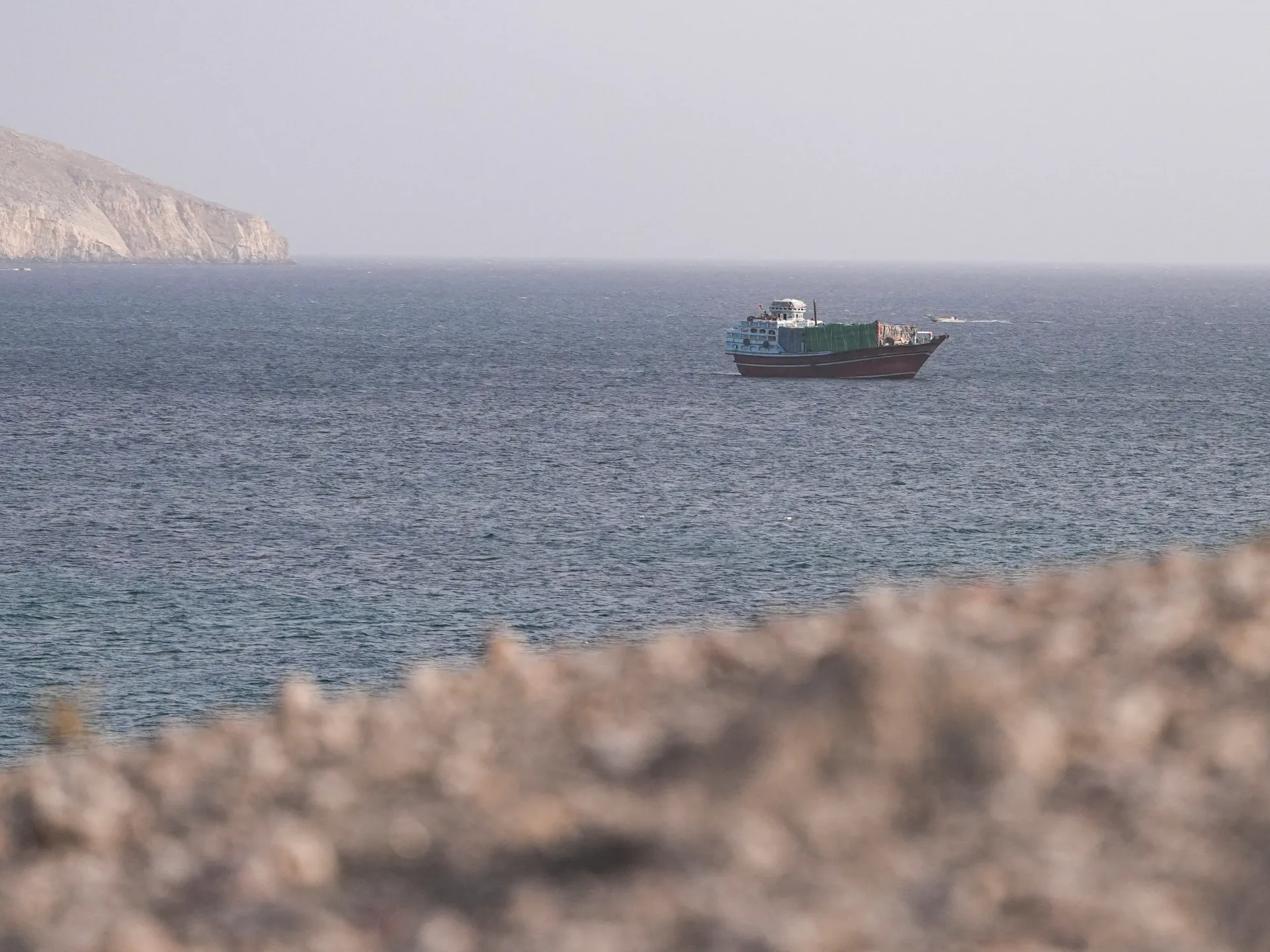
The United States has intensified its military campaign against Iran with a second wave of strikes targeting critical infrastructure in the south, following the collapse of a ceasefire. According to reports from Iranian state media, overnight attacks hit an airport in Iranshahr, the Bandar Abbas Railway Junction Station, and two bridges near the Strait of Hormuz.
The escalation signals a widening scope of the military campaign, marking the first time strikes have reached the vicinity of Tehran. Officials have reported power outages resulting from the attacks, though the specific geographic scope and duration of these disruptions remain unverified.
Iran has stated that the Strait of Hormuz will not return to its pre-war status, a declaration that underscores the potential for prolonged regional instability. The characterization of the struck sites as civilian infrastructure, as reported by Al Jazeera, highlights the significant humanitarian and economic implications of the ongoing conflict.
The timing of these strikes coincides with major sporting events in the United States, including the 2026 FIFA World Cup, where the host nation is preparing to play Paraguay, and the NBA Finals, where the New York Knicks lead the San Antonio Spurs 3-1. These concurrent events stand in stark contrast to the deepening military engagement in the Middle East.
The exact extent of damage to the Bandar train station and the Iranshahr airport is not fully detailed in the source material. Similarly, the precise timeline of when the ceasefire collapsed relative to these specific strikes is not explicitly defined, leaving the immediate diplomatic fallout uncertain.