Youth Scientists Lead the Way at 3rd Annual Findings from the Field Symposium
The symposium moved to a new venue to accommodate growth, adopting a layout that positions students at the centre of scientific inquiry rather than as observers.
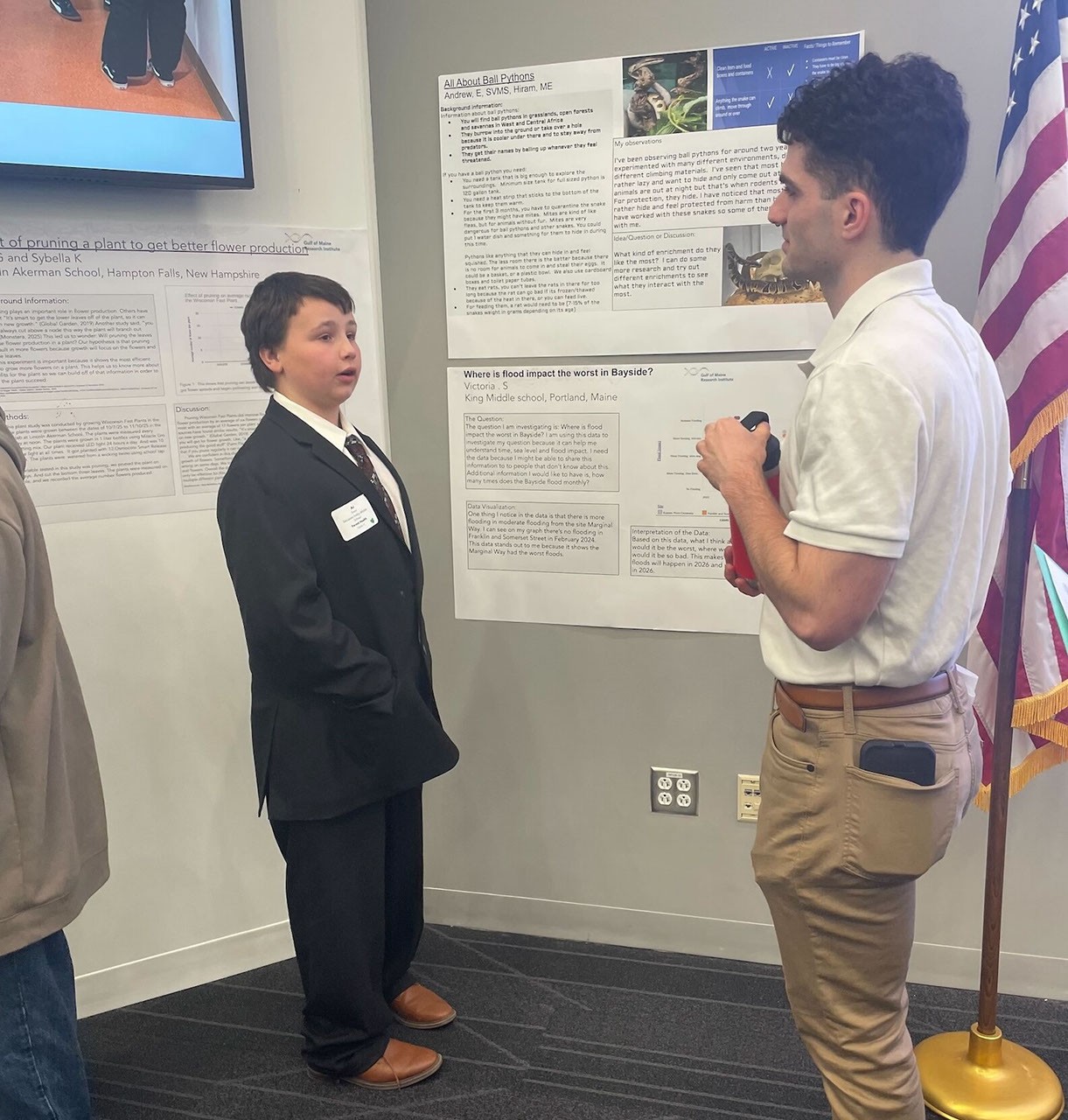
On 30 March 2026, the Gulf of Maine Research Institute and the NASA Science Activation program's Learning Ecosystems Northeast project hosted the third annual Findings from the Field Student Research Symposium. The event brought together 106 students in grades four through eight, 29 educators, and 15 Subject Matter Experts to showcase their work. Attendees presented 68 research posters, delivered 14 lightning talks, and participated in five discussion sessions.
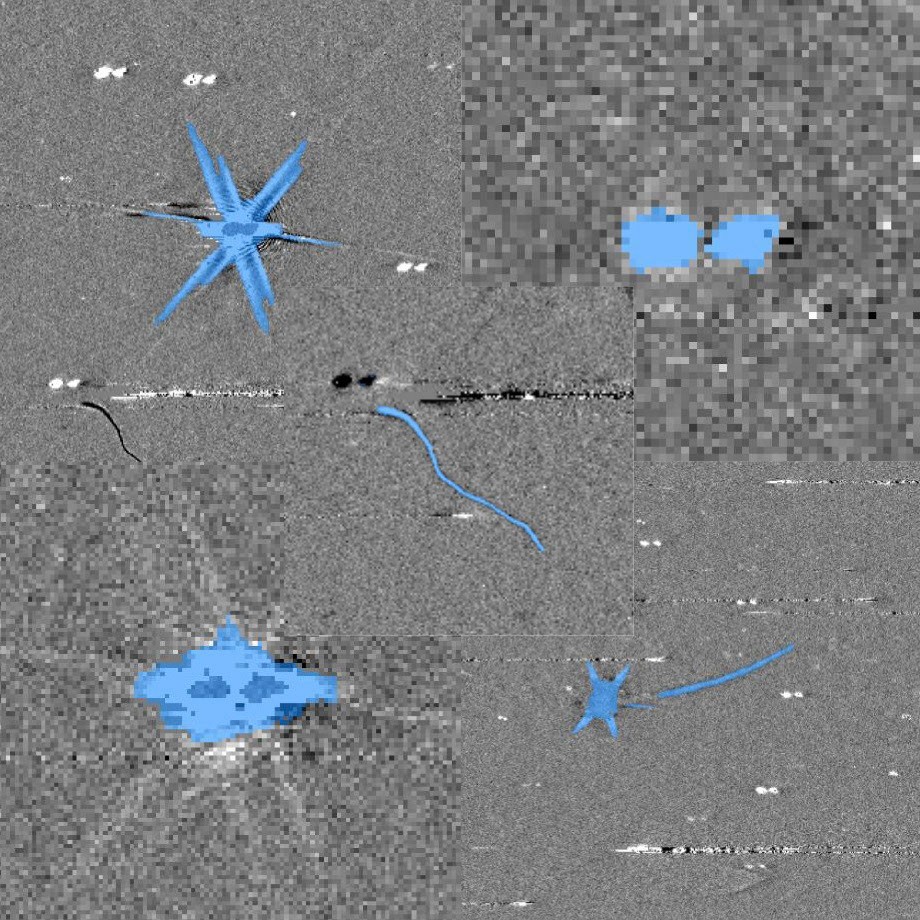
To foster a sense of belonging and dismantle traditional scientific hierarchies, the 2026 symposium introduced specific shifts in how participants interacted with data and experts. In a move that subverted the typical "look but don't touch" rule, students engaged in an activity inspired by the Data Vandals art group. They marked up visuals and treated data as a living conversation rather than a static fact, reinforcing the idea that scientific inquiry is not isolated but a collaborative effort.
The physical layout of the event was altered to further position student scientists as professionals. Students were seated at the main table, while adults and Subject Matter Experts sat behind them, ensuring the youth and their findings remained at the centre of the room. A keynote speech by Dr Dave Reidmiller, Chief Impact Officer at the Gulf of Maine Research Institute, delivered the day's unofficial mantra: "Science is a team sport."
Undergraduate students were introduced as mentors to bridge the gap between the younger participants and career scientists. This addition served as a middle ground, making the path to a scientific career feel more reachable. During breakout sessions, students from different schools discovered they were essentially colleagues working on the same problems, swapping notes and connecting local data to broader community issues.
Perhaps the most defining moment of the symposium occurred during a discussion about environmental data when a student answered a Subject Matter Expert's question instead of waiting for an adult to respond. This was not merely a display of confidence but a manifestation of the symposium's primary goal: to demonstrate that young people are experts in the room. The event moved from the GMRI building to the offices of corporate partner Unum due to space constraints from previous years' growth, yet the momentum suggests 2027 should be even bigger.
The Learning Ecosystems Northeast project is supported by NASA under cooperative agreement award number NNX16AB94A and is part of NASA's Science Activation Portfolio. By giving young people a platform and a sense of agency, the symposium proved that when provided with the right environment, they do not just participate in science, they lead it.