Utah’s Green River Energy Center comes online as coal era recedes
The 400-megawatt plant utilises existing coal-era transmission lines and nearly one million solar panels, reflecting a broader transition away from fossil fuels in the American West.
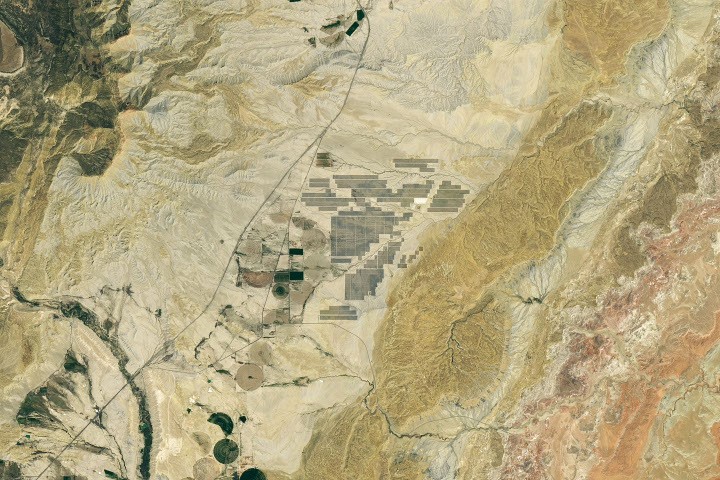
The Green River Energy Center, a large-scale solar power and battery storage facility, officially came online in Castle Valley, Utah, in June 2026. Located approximately 130 miles southeast of Salt Lake City, the plant sits on several square miles of previously undeveloped land and features nearly one million solar panels alongside roughly 500 batteries.
The facility possesses a solar-generating capacity of 400 megawatts and an equivalent 400 megawatts of battery storage capacity. According to project staff estimates, the site could produce enough electricity to power more than 100,000 homes. With its integrated storage systems, the plant is designed to generate power around the clock, independent of sunlight availability.
A key feature of the Green River Energy Center is its reliance on existing infrastructure. The site utilises transmission lines originally constructed for coal-fired power plants in the area. This adaptation allows the new renewable facility to build upon Castle Valley’s long-standing energy legacy while reducing the need for entirely new grid construction.
The opening of the facility coincides with a notable shift in Utah’s energy profile. Historically a coal hub with mining operations on the slopes of the Wasatch Plateau dating back to the late 1800s, the state has seen its reliance on fossil fuels decline. In 2015, coal accounted for approximately 75 per cent of Utah’s electricity generation. By 2025, that figure had dropped to about 50 per cent, while solar energy rose from nearly zero a decade prior to approximately 14 per cent.
The Green River Energy Center is among several utility-scale solar and battery storage projects expected to connect to the national grid in 2026, according to the U.S. Energy Information Administration. The construction and layout of the facility have been documented by NASA Earth Observatory imagery captured by the Landsat 8 satellite, highlighting the role of satellite data in tracking the adoption of renewable energy systems.