NASA Curiosity Rover Engineers Recognised for Operational Success on Mars
Led by Senior Research Scientist Lucy Thompson, the team has successfully navigated the rover over 23 miles while ascending Mount Sharp, overcoming early mechanical challenges to deliver high-quality scientific data.
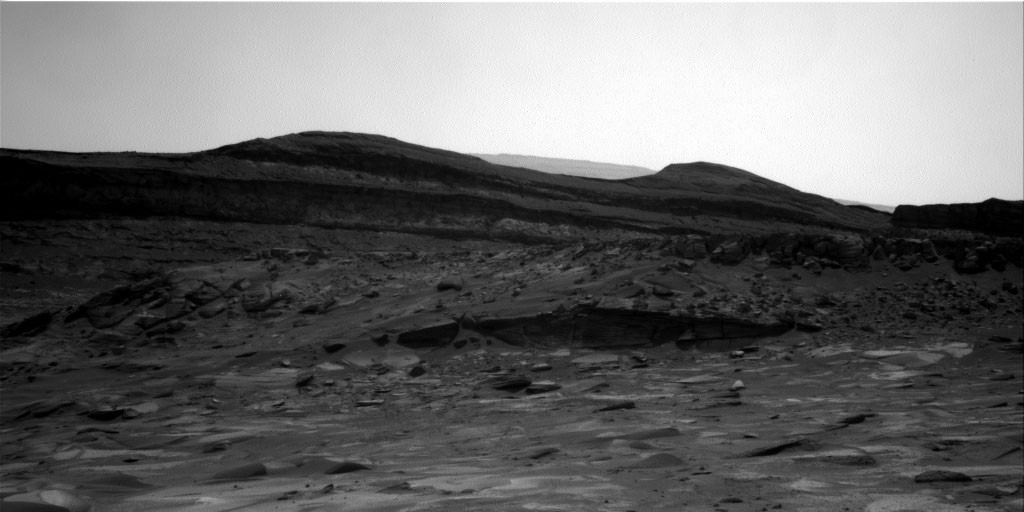
The NASA Curiosity rover team, led by Senior Research Scientist Lucy Thompson from the University of New Brunswick, has highlighted the pivotal role of rover engineers in the ongoing Mars Science Laboratory mission. Thompson, who serves as the APXS uplink lead and strategic planner, noted that engineers are essential for assessing terrain hazards and sequencing the robotic arm movements required to deploy scientific instruments safely.
During operations for Sols 4954–4960, with an Earth planning date of July 27, 2026, the engineering team successfully navigated the rover through dusty and varied relief workspaces in Gale crater. Despite initial observations suggesting some areas were less than ideal, engineers identified safe locations to brush and analyse five rock targets using the Alpha Particle X-ray Spectrometer (APXS) and the Mars Hand Lens Imager (MAHLI).
The engineers are responsible for assessing terrain for hazards such as large resistant blocks, sand patches, and high slopes to prevent wheel damage or the rover becoming stuck. This vigilance has been crucial given the mission's history; early in its operation, Curiosity suffered unexpected wheel damage and encountered soil challenges near the base of Mount Sharp.
Despite these early setbacks, the team has driven the rover more than 23 miles (37 kilometres) and gained 4,400 feet (1.35 kilometres) in elevation while ascending Mount Sharp. Recent activities have included targeting an erosional surface within the Mg-sulfate/carbonate-bearing unit, allowing scientists to track chemistry, textures, and sedimentary structures as the rover approaches the Yardang unit.
Drilling operations also rely heavily on engineering precision. Following a motor failure in 2016, engineers at the Jet Propulsion Laboratory spent nearly a year and a half reconfiguring the drilling process. Since resuming operations, the rover has drilled more than 20 rock targets, delivering samples to internal instruments for analysis.
Thompson emphasised that the continuous collaboration between engineers and scientists ensures the acquisition of high-quality compositional data and images. The team continues to monitor the local environment within Gale crater and the Martian atmosphere as Curiosity climbs higher into the mountain's layered rock formations.