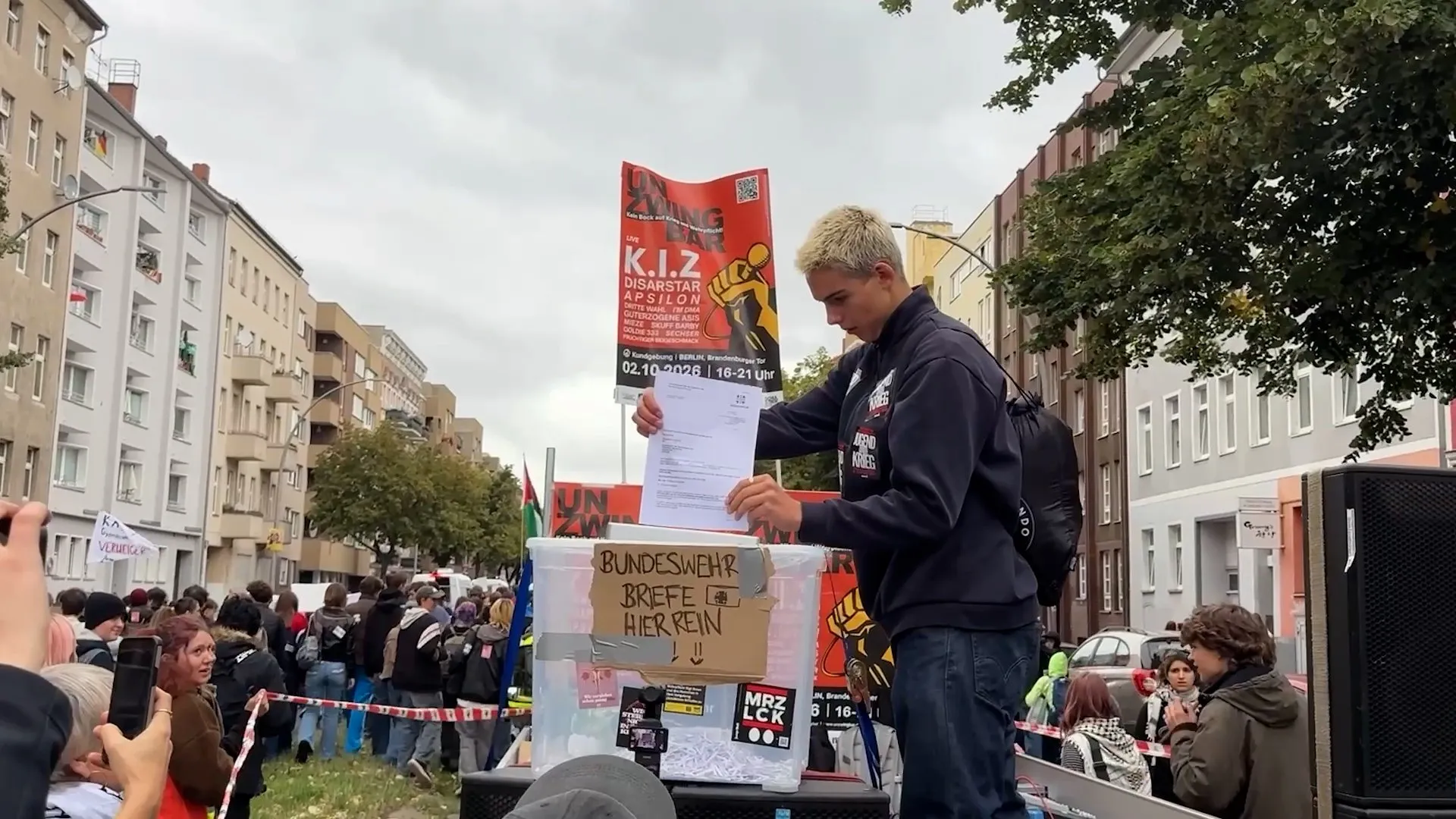
Youth-led Cockroach movement escalates pressure on Indian government amid parliamentary clashes
Tens of thousands march on Parliament as authorities deploy tear gas, while ministers attempt political outreach to a movement demanding systemic reform.
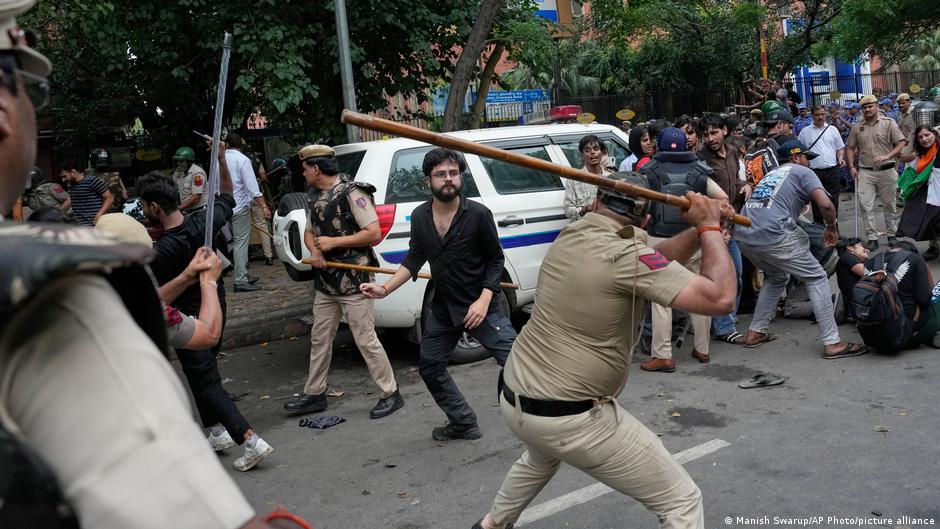
Tens of thousands of supporters from the satirical Cockroach Janta Party (CJP) marched on India’s Parliament in New Delhi on Monday, July 20, resulting in significant clashes with security forces. Authorities reported that 60 protesters and 118 police officers were injured as riot police utilised tear gas and batons against the demonstrators. In response to the unrest, mobile internet services were suspended in parts of the capital, including the vicinity of the Jantar Mantar protest site.
The movement, which originated from outrage over leaked medical entrance exams, has rapidly evolved from an online campaign into a Gen Z street mobilisation. It now articulates broader public anger regarding unemployment, shrinking economic opportunities, and a failing education system. Central to the protesters’ demands is the immediate resignation of Education Minister Dharmendra Pradhan, a call intensified by revelations of exam leaks and wrongful grading that have contributed to at least 20 student suicides.
The CJP gained fresh momentum over the weekend after veteran reform activist Sonam Wangchuk, who had conducted a three-week hunger strike, was forcibly taken to a hospital by police. Analysts note that the movement reflects a cross-section of Indian society, drawing the middle class onto the streets in a manner comparable to the 2011 India Against Corruption campaign. However, observers highlight that the current political environment is significantly more coercive than in previous years.
In a dual response strategy, the government has combined police action with political outreach. Senior ministers, including Home Minister Amit Shah and Health Minister J P Nadda, have held discussions with movement leaders. While CJP spokespeople described a recent meeting with Minister Nadda as a waste of time, the government has indicated it is considering how best to address student demands. Opposition figures, such as MP Renuka Chowdhury, have condemned the use of force against students, framing the incident as evidence of governmental failure.
Leftist parties and student organisations have provided visible organisational backing on the ground, helping to sustain the mobilisation. CJP chief spokesperson Saurav Das described the situation as a long fight requiring systemic change, noting that the nexus of the current system is deeply rooted. While the movement’s strongest support currently lies among urban students and the middle class, analysts suggest the anger it has tapped into has the potential to reshape politics beyond city centres.