Yemen’s former president Abd-Rabbu Mansour Hadi dies in exile at 80
The Yemeni government has declared three days of mourning following the death of Abd-Rabbu Mansour Hadi, who handed over power to the Presidential Leadership Council in 2022 amid a UN-brokered ceasefire.
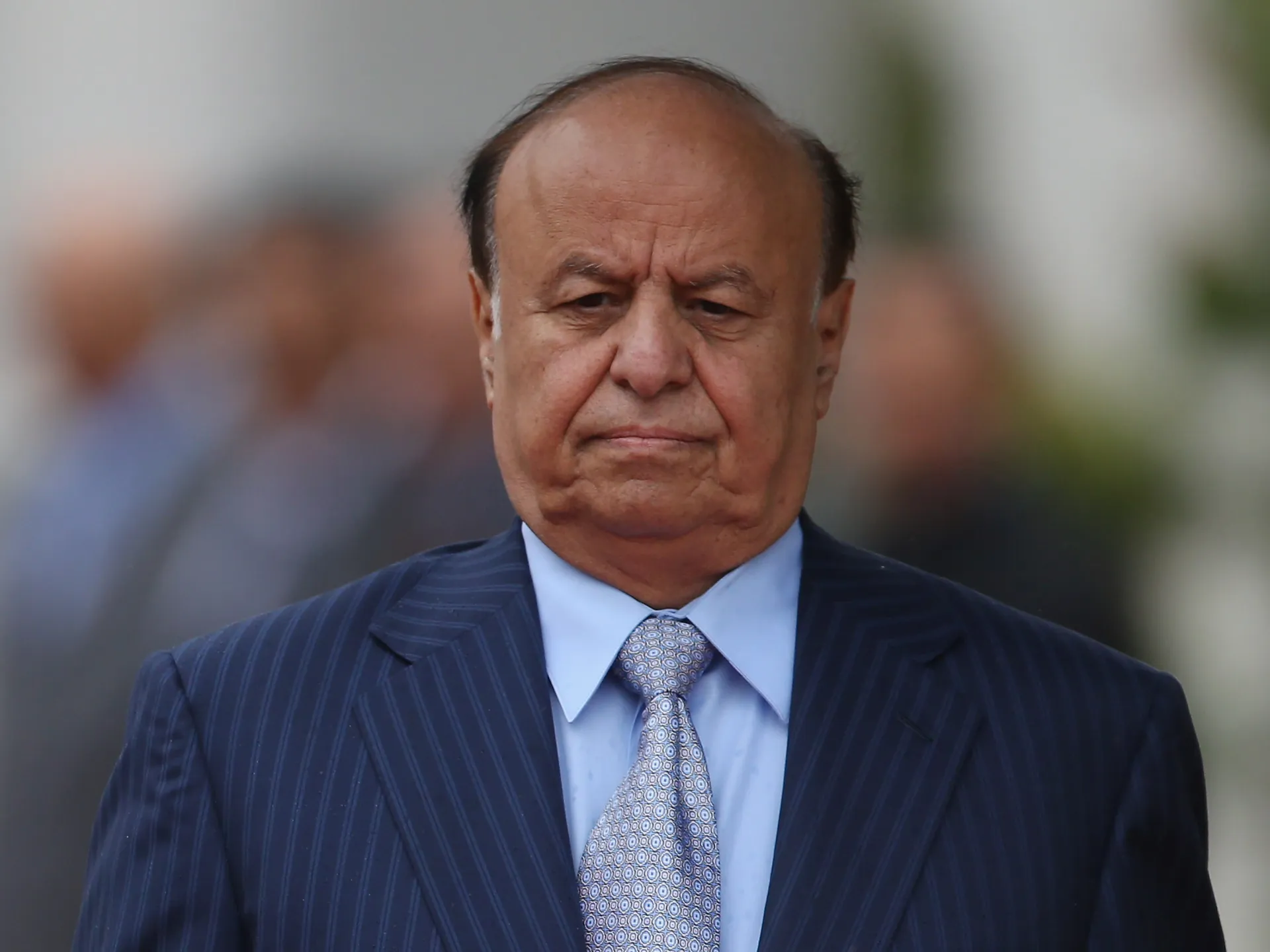
Abd-Rabbu Mansour Hadi, Yemen’s internationally recognised former president, has died in Riyadh, Saudi Arabia, at the age of 80. State-run Yemeni television confirmed that Hadi passed away at his residence on Thursday, though officials provided no further details regarding the cause of death. His death marks the end of a political career defined by civil conflict, exile, and the fragmentation of Yemeni state authority.
Hadi led a fractured government from exile for eight years after fleeing house arrest imposed by Houthi rebels in 2015. His departure from the capital, Sanaa, coincided with the escalation of a war between the Iran-backed Houthis and a Saudi-led coalition, a conflict that has killed hundreds of thousands of people through direct combat and indirect causes such as famine and disease. For nearly a decade, Hadi’s presidency was largely symbolic, operating out of Saudi Arabia while the country descended into humanitarian crisis.
In April 2022, as Yemen entered a United Nations-brokered ceasefire, Hadi transferred his presidential powers to the newly formed Presidential Leadership Council. The move, reportedly influenced by Saudi pressure, was intended to consolidate the internationally recognised government’s leadership structure. Rashad al-Alimi, the head of the Presidential Leadership Council, issued a statement on X praising Hadi’s commitment to the republican system, citing his belief in the Yemeni people’s right to a just state, freedom, and human dignity.
The Yemeni government has announced three days of national mourning in response to Hadi’s death. During this period, flags will be flown at half-staff across the country. The announcement underscores the continued diplomatic recognition of the Presidential Leadership Council as the legitimate authority, despite Yemen remaining divided between Houthi-controlled territories in the north and a patchwork of factions in the south.
Hadi’s political trajectory began in earnest in 2012 when he took office following the Arab Spring protests that ended the 33-year rule of Ali Abdullah Saleh. A career military officer, Hadi was elected as the sole candidate, securing 99.8 percent of the vote. His tenure was subsequently marked by unrest and accusations of favouring eastern oil-rich provinces over the mountainous heartlands dominated by the Houthis. He is survived by his wife, Hala, and six children.